

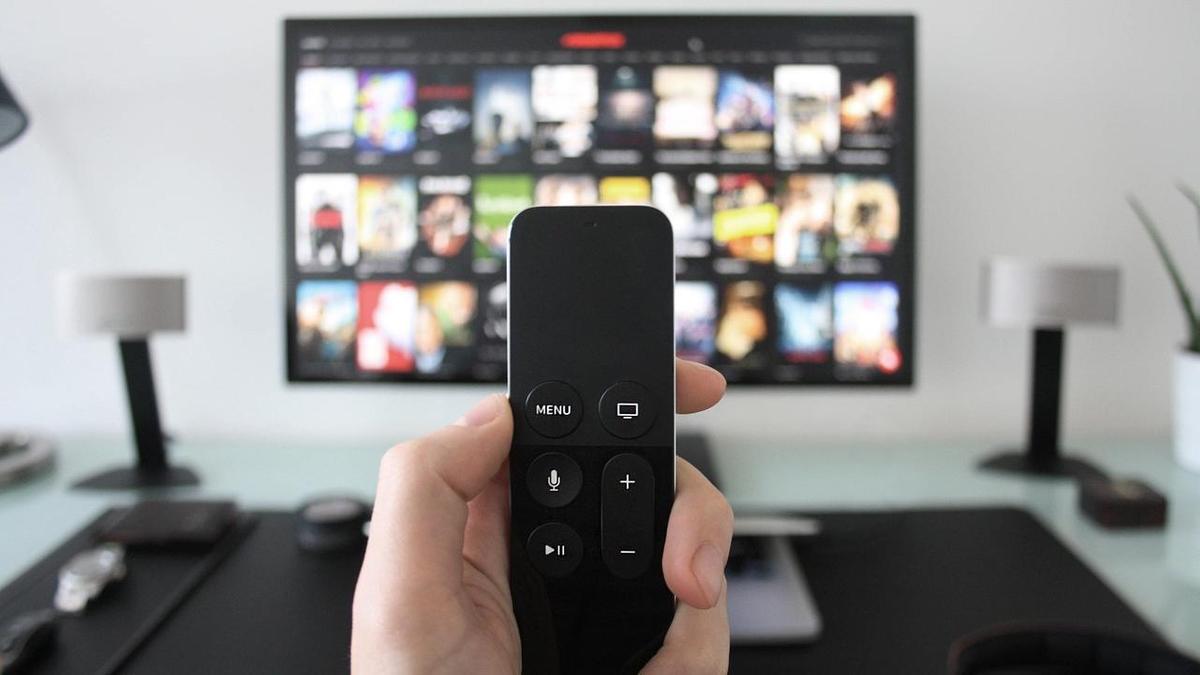
An international team of researchers has found that different types of screen time affect the brains of older adults in distinct ways: prolonged television viewing is linked to cognitive decline, while moderate computer use is associated with preserved cognitive function. The findings were reported by infohub.kz.
The study was published in the journal npj Digital Medicine. Researchers pooled observational data from 8,996 participants across four major cohorts — SHARE, ELSA-HCAP, HRS-HCAP, and NHANES — and applied Mendelian randomization to assess genetic causality.
The results revealed opposing effects from different digital devices. Watching television for four or more hours a day was associated with lower overall cognitive function, particularly poorer immediate recall.
In contrast, working or spending time on a computer was linked to better brain performance, especially in processing speed and delayed recall. The most pronounced positive effect occurred with one to three hours of daily computer use, though the benefit diminished beyond four hours.
Mendelian randomization also showed that a genetic predisposition to prolonged TV viewing correlated with reduced volume of the left insular cortex, explaining about 15% of the negative impact on cognitive abilities. However, the researchers found no convincing evidence linking screen time to the risk of developing different types of dementia.
The authors emphasize the need to distinguish between passive and active forms of digital technology use.