

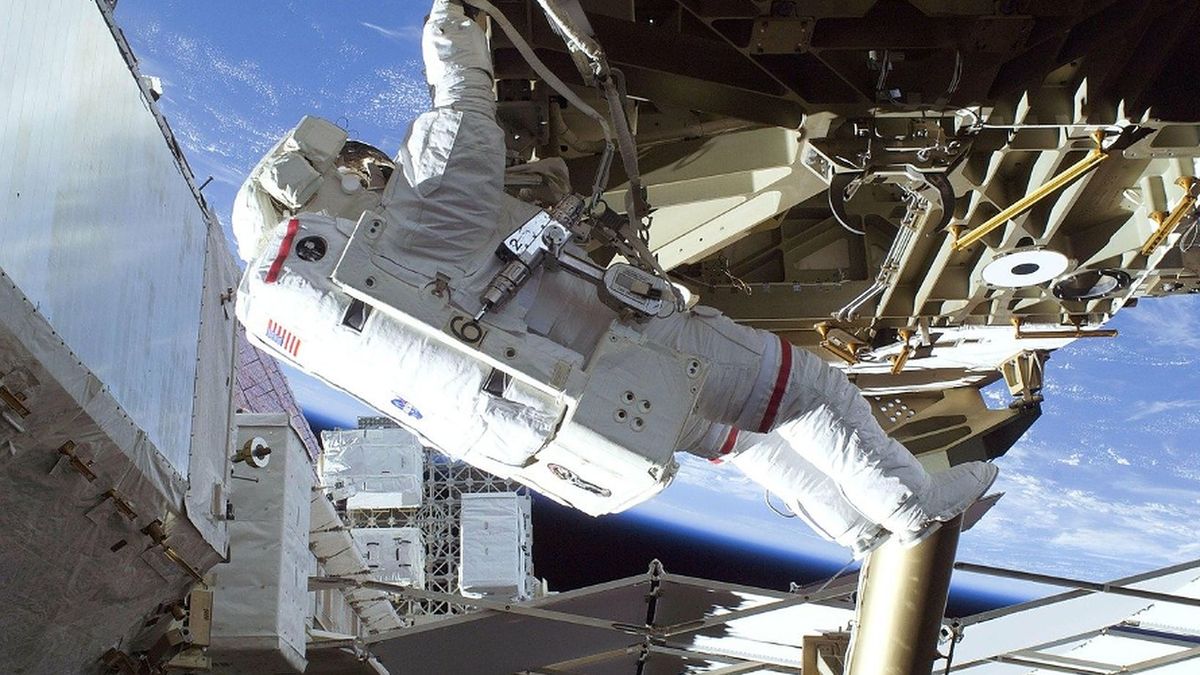
Blood analysis of 52 astronauts has shown that microgravity slows intestinal function and increases protein fermentation, according to infohub.kz.
Researchers from the University of Copenhagen, together with NASA experts, have uncovered the mechanisms behind digestive system disorders in astronauts under weightless conditions. Analysis of blood samples from 52 crew members of the International Space Station revealed that gut bacteria begin actively fermenting proteins soon after humans arrive in orbit.
The protein fermentation process is triggered when intestinal bacteria consume available fiber and start breaking down protein compounds. According to study co-authors Henrik Roager and Giorgia La Barbera, microgravity slows peristalsis — the natural movement of food through the gastrointestinal tract. Because food lingers, microorganisms have more time to break down proteins, which explains the regular constipation problems in space.
Professor Lars Ove Dragsted notes that products of protein fermentation enter the bloodstream and can negatively affect the kidneys, mood, and ability to concentrate. The scientists emphasize that these data are critically important for planning long-duration missions to the Moon and Mars. To protect astronaut health, dietary adjustments will be needed, including increased fiber intake, the use of prebiotics, or medications that stimulate peristalsis. In addition, the findings could help treat bedridden patients on Earth, who also experience slowed intestinal function.