

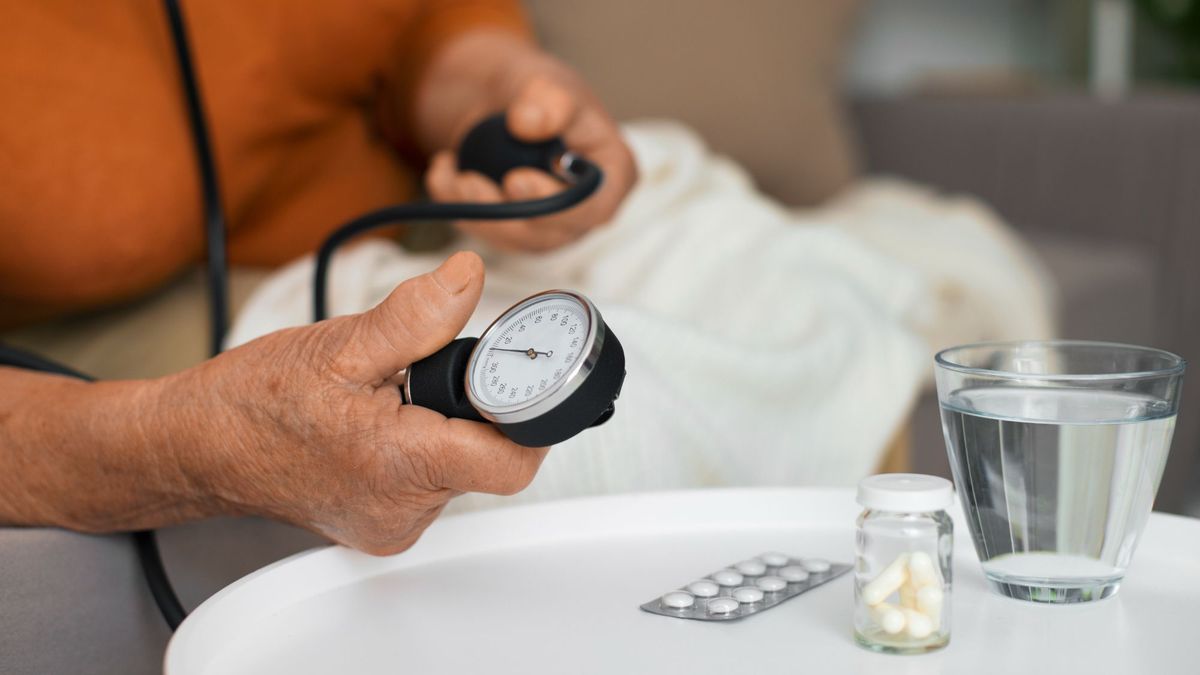
A common mistake when measuring blood pressure can inflate readings and lead to a misdiagnosis. Research from Johns Hopkins University shows that arm position during the procedure significantly affects accuracy, according to infohub.kz.
The study was published in the journal JAMA Internal Medicine. As ScienceDaily reports, an unsupported arm inflates blood pressure readings by 4–7 mm Hg. Positions commonly used in clinical practice can distort data and lead to a diagnosis of hypertension where none exists.
The study involved 133 adult volunteers aged 18 to 80. The researchers compared three arm positions: resting on a desk, resting on the lap, and hanging freely at the side.
The results showed that when the arm rests on the lap, systolic pressure (the top number) is overestimated by an average of 3.9 mm Hg, and diastolic by 4.0 mm Hg. With a freely hanging arm, readings are inflated even more: systolic pressure rises by 6.5 mm Hg and diastolic by 4.4 mm Hg.
Study co-author Sherry Liu noted that an error of 6.5 mm Hg can change a reading, for example, from 133 to 140 mm Hg, which corresponds to stage 2 hypertension.
Senior author Dr. Tammy Brady stressed the need to strictly follow the clinical guidelines of the American Heart Association. According to the rules, during measurement the cuff should be at heart level and the arm should rest securely on a table surface.