

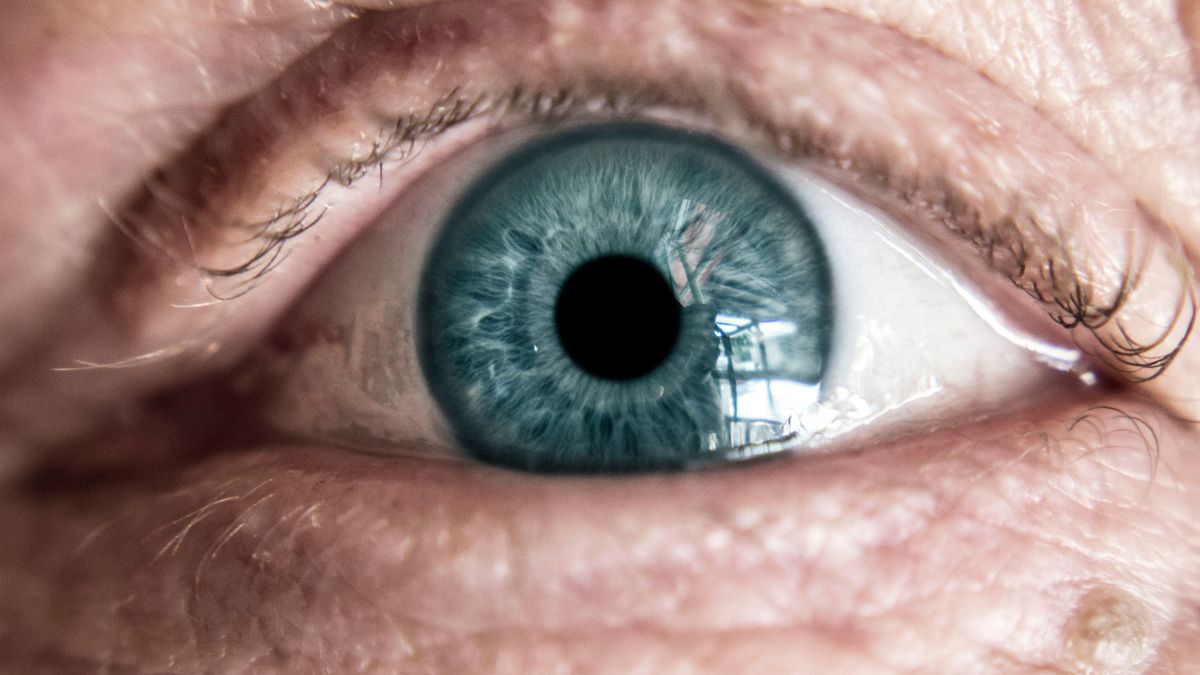
Age-related inflammation in the retina prevents the eye's support cells from turning into new neurons, complicating treatment for glaucoma. The portal SciTechDaily reports this, according to infohub.kz.
Researchers at SUNY Upstate Medical University, led by Levi Todd, have determined why methods to regenerate retinal neurons prove ineffective in the aging body. Glial support cells, which in young individuals can reprogram and replace dead nerve cells, lose this ability with age. The cause is chronobiological changes and systemic inflammation.
In experiments on mice, the biologists found that the retina's blood-brain barrier gradually breaks down with age. This intensifies inflammatory processes that block the molecular signals needed for glia to transform into healthy neurons. Moreover, the cells themselves lose plasticity over time and respond worse to regulatory proteins—transcription factors.
The study's authors managed to partially restore the regenerative capacity of aging cells using anti-inflammatory steroids. Going forward, the researchers plan to identify the precise molecular mechanisms of the blockage in order to create targeted drugs based on monoclonal antibodies. This will make it possible to restore vision in patients with glaucoma and other age-related diseases.