

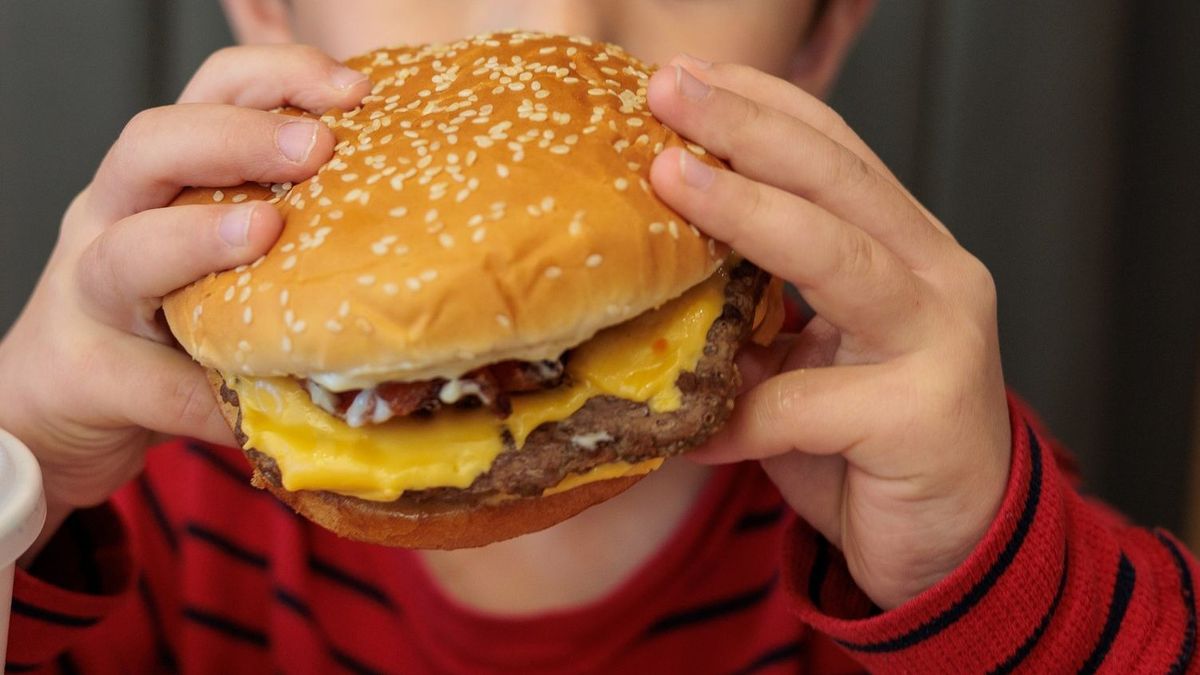
A diet rich in processed foods sharpens activity in children's brain reward systems when they see junk food and drives fat gain a year later, according to research by scientists at the Keck School of Medicine of the University of Southern California in the United States, published in the medical journal "JAMA Network Open," infohub.kz reports.
The authors noted that such factory-made products account for about 67% of the daily calorie intake of American schoolchildren. They include sugary dry cereals, packaged bread and instant soups with artificial colors and sweeteners.
A research team led by Professor of Pediatrics Kathleen A. Page analyzed data from 46 children aged 7 to 10 who took part in the BrainChild project. At the start of the experiment, all participants had a healthy weight. The children underwent functional magnetic resonance imaging of the brain while viewing photographs of French fries and cookies, and their body mass index (BMI) and waist circumference were measured. A year later, doctors examined the children again to assess physical changes in their bodies.
The MRI scans showed heightened activity in the dorsal striatum among fans of processed foods. This brain region is responsible for motivation and the reward system. Children with a strong neural response to junk food gained more fat a year later and had a higher BMI. When the striatal response was taken into account, the link between diet and weight gain weakened by 31%, and with fat by 44%. This confirmed the neurobiological nature of childhood overeating.