

Since the start of the year, 39 families — 167 people in total — have moved from southern Kazakhstan to the Ulytau region. About 190 million tenge has been allocated from the national budget to support and employ them, infohub.kz reports.
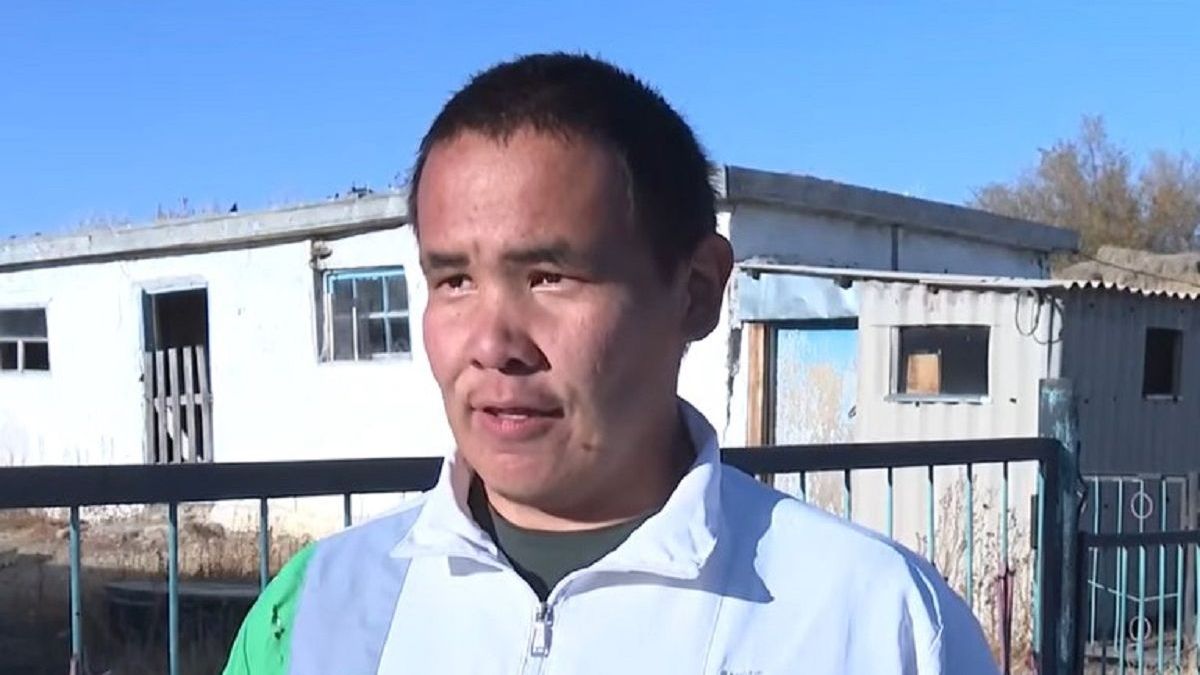
Most of the families settled in villages facing staff shortages. One of the resettlers, Kaisar Kainarbekuly, moved to the village of Ulytau. According to him, he received all the promised assistance: he found work in his specialty and used state-allocated funds to buy housing. He has also found opportunities to start his own business in his new home.
"Ulytau is a beautiful place. The people are kind and welcoming — they invite you over and help out. If you need anything, you can always turn to your neighbors. At first I thought it would be hard, but I got used to it quickly. I like it here. I work as an orderly at a veterinary station. I also bought chickens and started a small business of my own," Kaisar Kainarbekuly said.
The resettlers received financial assistance of 70 MCI per family member. According to the Labor Mobility Center, they were also issued housing certificates worth 7 million tenge to buy homes.
"Eleven families have arrived in the Ulytau district. Five settled in Ulytau itself, and the rest in villages across the district. We helped the adults find work and enrolled the children in schools and kindergartens. We also provide assistance with fuel and water," noted Kabylbek Rashatov, a specialist at the district Career Center.
One of the main conditions for taking part in the program is living in the region for at least 5 years. The voluntary resettlement program helps attract potential workers to the places where they are most needed.
"First of all, we match resettlers with jobs in their specialty. Teachers and doctors are needed. More than 100 vacancies are open in the civil service and about 200 in the police department. We are working hard to fill the staffing shortages," explained Aidar Koishybaev, director of the regional Labor Mobility Center.
There is no shortage of people wanting to move to the region, the Labor Mobility Center notes. So next year they plan to increase the quota for accepting resettlers.