

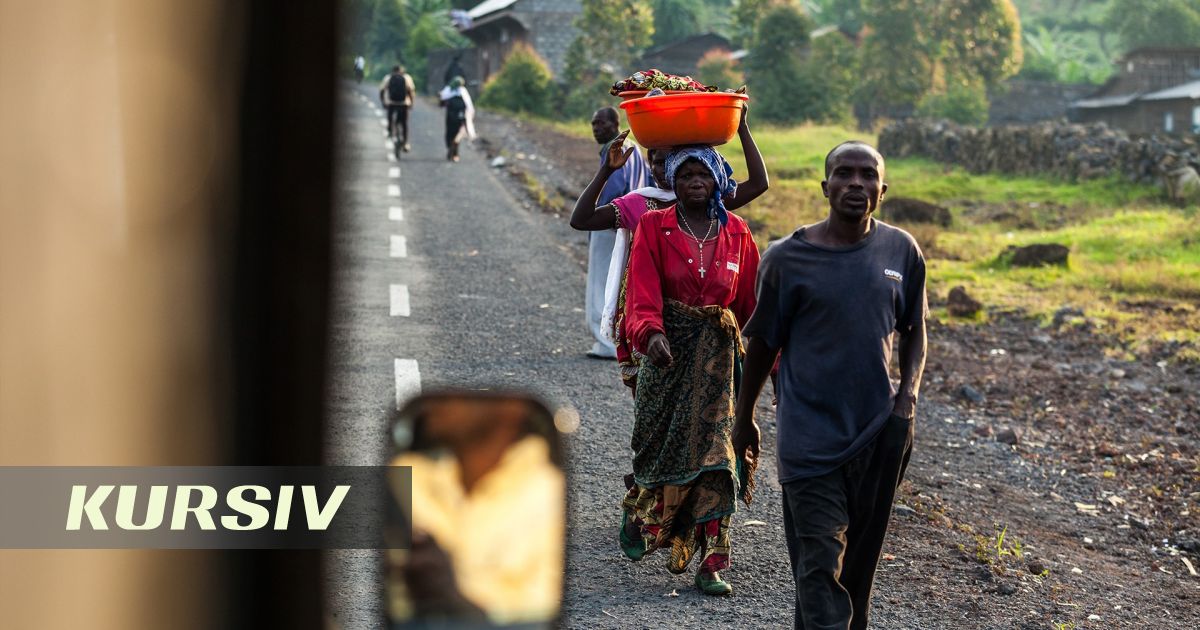
The Ebola outbreak in some areas of eastern Democratic Republic of Congo has begun to improve, but cases continue to rise elsewhere, the United Nations said, according to Reuters, reports infohub.kz.
The World Health Organization, however, is not yet ready to declare that the epidemic has passed its peak. Olivier le Polain, head of epidemiology and analytics for WHO's Health Emergencies Programme, said it is still too early to draw such a conclusion.
"It will take many months to fully bring this outbreak under control, and it will require significant support," he said.
Congolese Health Minister Samuel Roger Kamba earlier reported the first signs of improvement. According to him, after the peak of the epidemic in mid-August, transmission is gradually slowing.
The number of new cases per day has dropped from about 120 at the peak to 80. In addition, in 10 of the 62 affected health zones, no new cases have been recorded for more than 22 days.
Kamba called these figures a positive signal but stressed that measures to curb the spread of infection must not be relaxed.
The situation has also improved markedly in Ituri province, where the first cases of the current outbreak were recorded. Jean-Jacques Muyembe, director of Congo's National Institute of Biomedical Research, said that in some areas indicators have moved from the "red" zone to the "green" zone.
The most alarming situation is in North Kivu province. According to UN data, the number of cases there continues to rise rapidly, especially in the city of Butembo.
As of September 12, 1,269 confirmed cases had been recorded in the province, of which 555 were in the past 21 days.
Containing the spread of infection in the region is difficult due to the security situation, high population density and active population movement.
In total, according to Congolese government data published on September 15, 7,258 confirmed Ebola cases and 3,510 deaths have been recorded in seven provinces.
The current outbreak has already become the second deadliest in history, surpassed only by the West African epidemic that lasted from 2014 to 2016.
WHO officials also recalled that even after the situation improves, the epidemic could flare up again. Experts therefore urge continued active measures.
Earlier, Kursiv Health reported that exercises were held at Astana International Airport to prepare for the importation of particularly dangerous infections such as Ebola.