

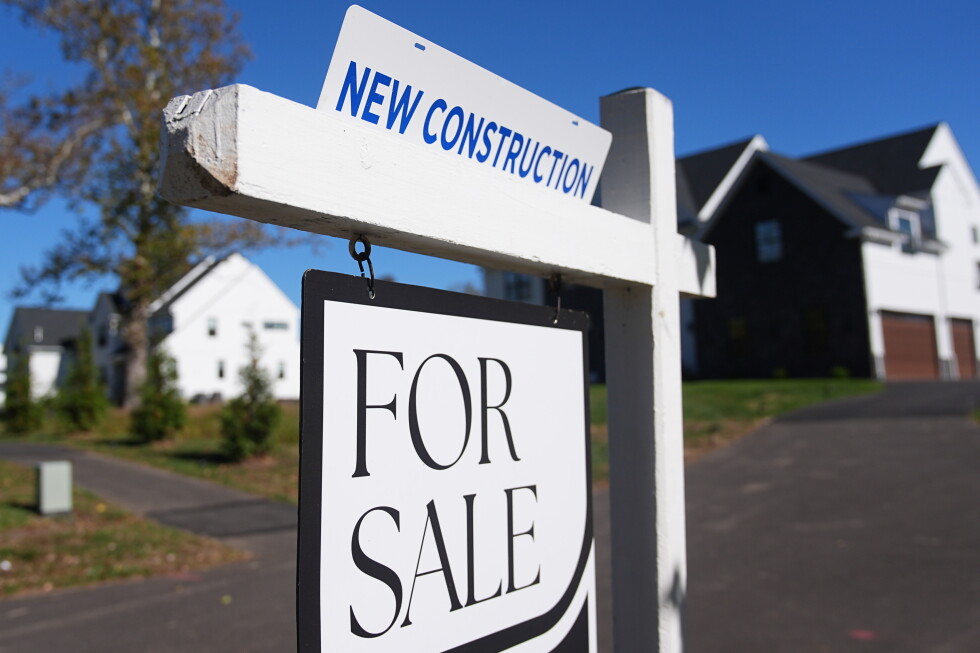
The average long-term U.S. mortgage rate fell slightly for the first time in six weeks, offering a glimpse of relief for prospective homebuyers, although borrowing costs remain steeper than they were a year ago. On Thursday, mortgage buyer Freddie Mac reported that the benchmark 30-year fixed-rate mortgage rate dropped to 6.67%, down from 6.69% last week. By comparison, the average rate was 6.58% at this time last year.
Higher mortgage rates can add hundreds of dollars a month in costs for borrowers, limiting homebuyers' purchasing power. This can lead prospective home shoppers to delay buying, as seen while rates rose over prior weeks. U.S. sales of previously occupied homes again slowed in July.
Borrowing costs on 15-year fixed-rate mortgages, which are often sought by borrowers looking to refinance a home loan, also fell slightly this week. That rate averaged 5.96%, down from 6.01% last week. However, it remains higher than a year ago, when Freddie Mac said 15-year fixed-rate mortgages averaged 5.71%.
Mortgage rates are influenced by several factors, including inflation, broader policy rate decisions from the Federal Reserve, and expectations from bond market investors for the economy. They generally follow the trajectory of the 10-year Treasury yield, which lenders use as a guide to pricing home loans. Similar to the latest mortgage rates, the 10-year Treasury has also eased a bit recently. The 10-year Treasury fell to 4.61% as of midday trading Thursday, down from 4.72% at the start of the week.
Both mortgage rates and the bond market have been mostly rising this year due to the U.S. war with Iran, which has fueled expectations for hotter inflation as crude oil prices soared. Despite easing oil prices recently, long-term bond yields remain steeper than they were before the conflict began in late February, pushing mortgage rates to tread higher.
Before the war, the 10-year Treasury was just 3.97%. And 30-year and 15-year mortgage rates sat around 5.98% and 5.44%, respectively, in late February, per Freddie Mac.
Meanwhile, consumer and wholesale inflation also cooled somewhat in the U.S. last month. Prices continue to climb, but at a slower pace. If that trend continues, the Federal Reserve could decide to hold off on hikes to interest rates.