

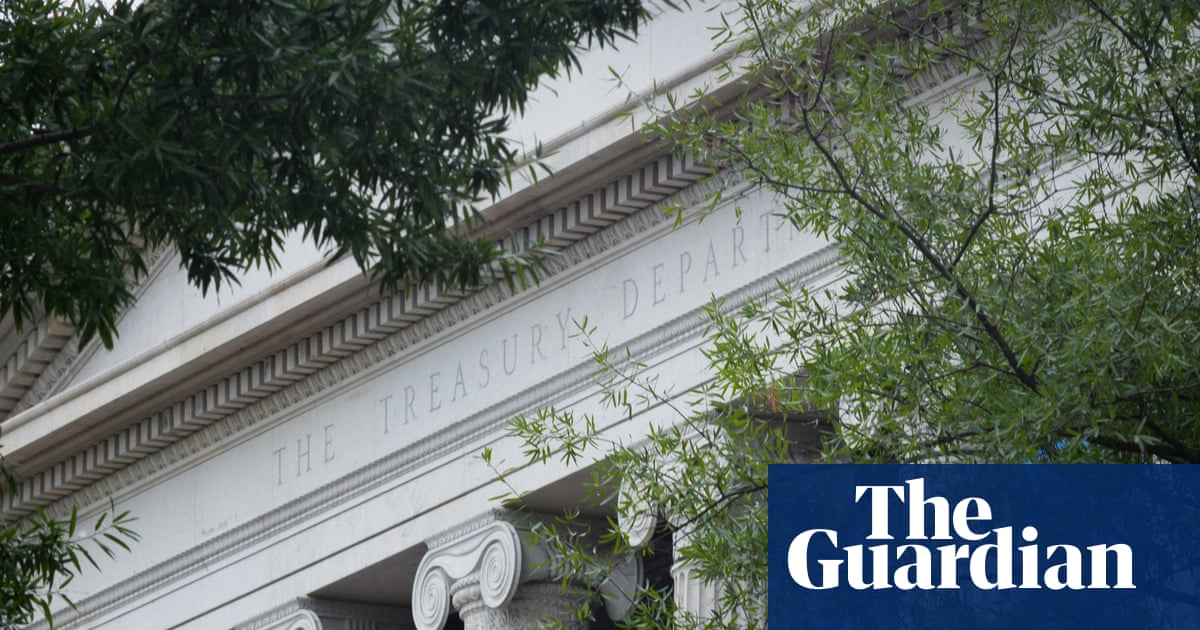
The US gross national debt has surpassed $40 trillion for the first time in history, according to the US Treasury Department. This was reported by infohub.kz.
On Tuesday evening, the Treasury's latest debt balance showed $40.047 trillion — the highest in US history. This significant milestone coincides with the government deficit doubling over the last decade.
This figure is the result of government spending that grew under both Donald Trump and Joe Biden. According to the Committee for a Responsible Federal Budget, Trump approved $8.4 trillion in debt during his first term, with a large portion going to COVID-19 relief, while Biden approved $4.3 trillion in debt.
In fiscal year 2026, which began in October 2026, $1.8 trillion has been added to the debt so far, with a large portion of new government spending dedicated to tariff refunds, which have already totaled $100 billion, according to the Bipartisan Policy Center.
Government spending watchdog groups have anticipated for weeks that the US would surpass the $40 trillion threshold, as debt reached $39 trillion in March.
"For perspective, it took nearly 200 years for America's gross debt to reach $1 trillion for the first time in 1981," said Maya MacGuineas, president of the Committee for a Responsible Federal Budget. "$40 trillion of debt doesn't exist solely on the government's ledgers; it is felt throughout the economy and finds its way to the pocketbooks of people one way or another. The more we borrow, the more we exacerbate inflation, squeeze out other priorities in the budget, and leave ourselves vulnerable to emergencies at home and turmoil abroad."
The threshold was breached as Congress, currently out of session, remains at an impasse over its latest spending bill. The US House and Senate passed two different bills that would fund the federal government, which is scheduled to shut down on September 30 if a bill isn't adopted by both chambers and signed by the president.
Earlier on Wednesday, the US Treasury announced it would double its buyback of government debt after the bond market balked at ongoing inflation and continued conflict between the US and Iran. Though the move doesn't increase the debt, it highlights the growing struggle the US is having in attracting investors to help take on its debt.