

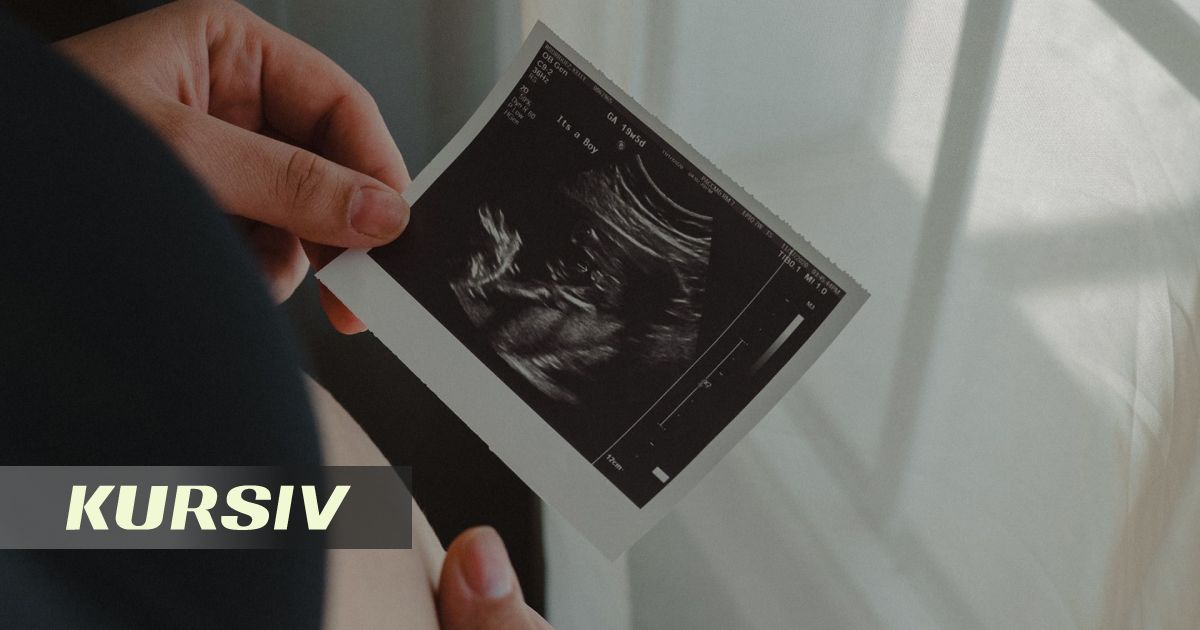
The health of a future child may be influenced not only by the mother's diet during pregnancy but also by her health before conception and the father's health. New research suggests that vitamin B12 levels in both parents before conception may be linked to the likelihood of birth defects, reports infohub.kz.
The findings come from researchers at Fudan University in China, published in the Annals of Internal Medicine.
The study analyzed data from over 3,000 couples who had blood tests within four months before conception. Additionally, the researchers examined data from 17,765 women who were screened during the first four months of pregnancy. Blood samples were measured for concentrations of vitamins B12 and B9 (folate), and these levels were then compared with the incidence of birth defects in their children.
Among women, a clear pattern emerged: the higher the B12 level, the lower the expected rate of birth defects. Women with the lowest B12 levels had an expected prevalence of about 49.6 cases per 1,000 pregnancies, while those with the highest levels had 16.2 cases per 1,000.
A similar association was observed in men, though less pronounced. The risk initially decreased but leveled off at moderately high B12 levels. Nevertheless, the findings support that a father's B12 status around conception also affects the child's health.
The study does not prove that B12 deficiency causes birth defects; further research is needed to establish causality.
Vitamin B12 is primarily found in animal products. Key sources include liver and other organ meats, meat such as beef and poultry, fish and seafood, eggs, and milk and dairy products. Some plant-based foods are fortified with B12, such as certain plant milks, breakfast cereals, and nutritional yeast, offering an alternative for those who avoid animal products.
However, B12 content in foods can vary widely, so not everyone can get enough through diet alone. The need for supplements should be discussed with a doctor, as many lack proven benefit.
The researchers also looked at vitamin B9 (folate) levels. Women with sufficient B9 in red blood cells early in pregnancy also had a lower expected rate of birth defects, consistent with folate's known role in fetal development.
The authors believe these results expand the understanding of pre-pregnancy preparation: attention should be paid not only to the woman's diet but also to the future father's nutrition and the mother's health before conception. During pregnancy, timely check-ups are important, and there are special pregnancy registrations and support. For information on free screenings available for pregnant women in Kazakhstan each trimester, see the article on Kursiv Health.