

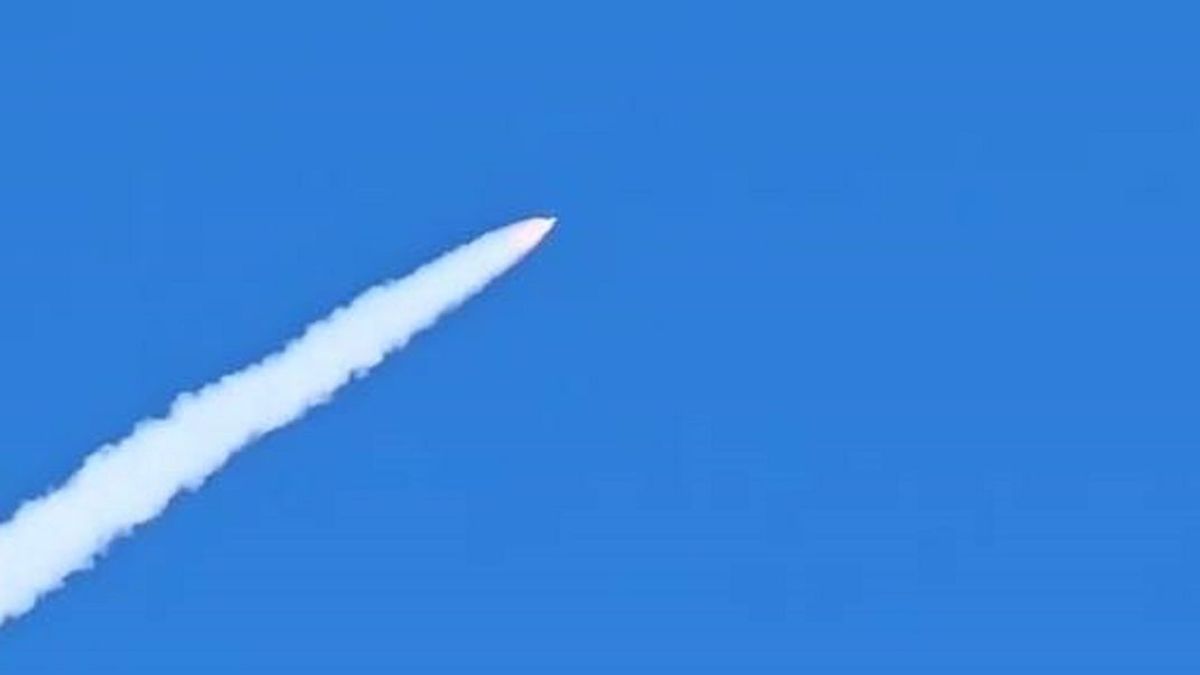
The launch of a Vulcan Centaur rocket by U.S. company United Launch Alliance (ULA) ended in failure: an anomaly occurred 10 minutes after liftoff from Space Launch Complex 41, and 40 Amazon Leo broadband satellites were not delivered to low Earth orbit, the website infohub.kz reports.
ULA announced the incident on the social network X. In its statement, the company said the conclusion about the off-nominal situation was based on data received by its launch director.
"Based on the data received by our launch director, we confirm that the Vulcan launch vehicle, launched from Space Launch Complex 41, encountered an anomaly 10 minutes after liftoff and was unable to deliver the Amazon mission to orbit. Every flight generates data, and every flight teaches us something. Because the anomaly occurred just now, we do not yet have specific data to understand what happened today. ULA exists to provide assured access to space for our country and for the customers who rely on us. That goal is why we take on some of the most difficult missions in spaceflight and why we hold to the standard of mission success. Today we did not meet that standard," the company said.
ULA added that it intends to work closely with the customer and other relevant organizations to determine the cause of the incident, identify the necessary corrective measures and resume flights as soon as possible.
"ULA is committed to full transparency with our customers; they will be involved in the investigation process, which will use a rigorous methodology. We will provide further updates when new information becomes available," the company said.
ULA had previously said that Vulcan Centaur was to deliver 40 Amazon Leo broadband satellites to low Earth orbit. Social media users commenting on the launch noted that the weather was favorable for liftoff, but the Centaur upper stage did not operate nominally.