

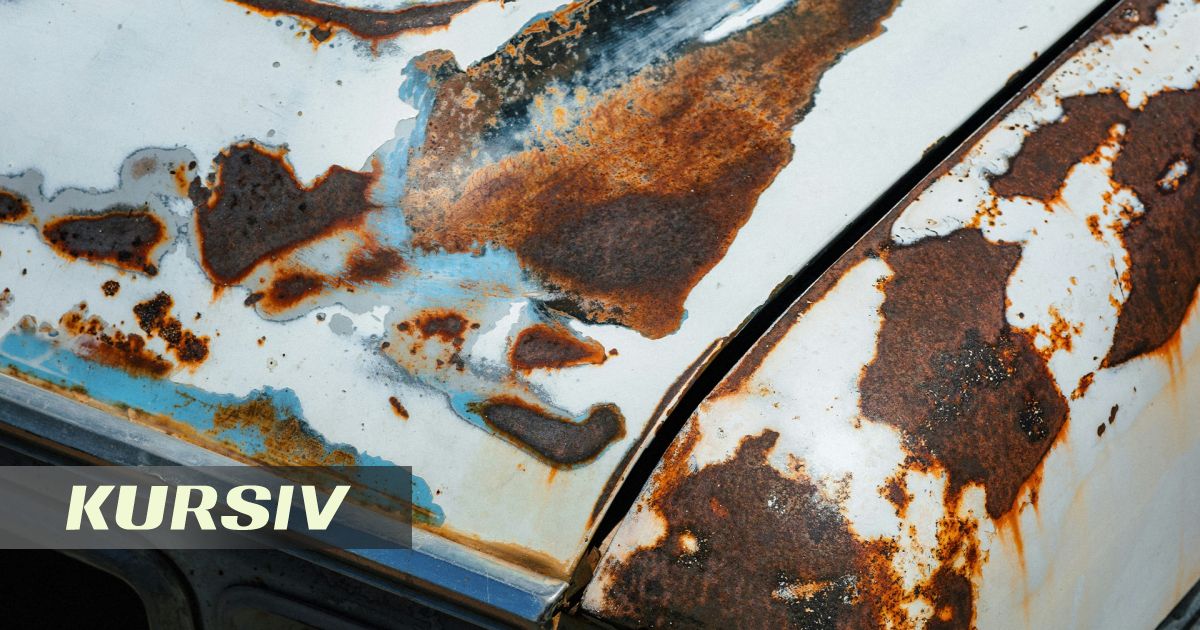
Sharp temperature fluctuations, road chemicals, sand, and chips create serious stress for a car's body, reports infohub.kz.
Kazakhstan's sharply continental climate poses several problems at once. In winter, water seeps into microcracks and chips, freezes, expands the damage, and after a thaw, it wets the metal again. In summer, the body heats up significantly in the heat. Constant temperature swings accelerate the aging of the paintwork and the appearance of micro-damage.
Salt and de-icing mixtures, along with snow and dirt, accumulate on the underbody, sills, and in wheel arches. They retain moisture and accelerate corrosion. An additional risk is sand and fine gravel. Stones from under the wheels leave chips in the paint, through which water and chemicals reach the metal.
Pay special attention and periodically inspect: wheel arches, sills, underbody, welded joints, lower edges of doors, and the trunk lid.
Wash your car regularly in winter. Washing just the body is not enough—it's important to rinse the underbody and wheel arches to remove salt deposits. After washing, it's advisable to dry the car.
Keep an eye on drains. Clogged holes in doors and other cavities prevent water from escaping and can lead to corrosion from the inside.
Don't ignore chips. If the damage reaches the metal, it's best to clean, degrease, and treat it with a repair compound as soon as possible. The longer the metal remains exposed, the higher the risk of rust.
Check the anti-corrosion protection. Additional treatment of the underbody and hidden cavities can be useful, especially for a car that regularly drives on chemicals. But the protective coating can be damaged over time by water, sand, and dirt, so its condition needs to be checked periodically.
Don't forget about fender liners and mud flaps. They reduce the amount of water, dirt, and stones that hit the sills and body around the wheels.
If you park a car heavily contaminated with chemicals in a warm garage, the snow and dirt will quickly thaw. As a result, the body stays wet longer, and conditions for corrosion become more favorable. Therefore, before a long parking period in winter, it's better to clean the car of salt and dirt.
The most vulnerable areas—the hood, front bumper, sills, and areas in front of the wheel arches—can be protected with polyurethane film. It reduces the risk of paint damage from small stones.