

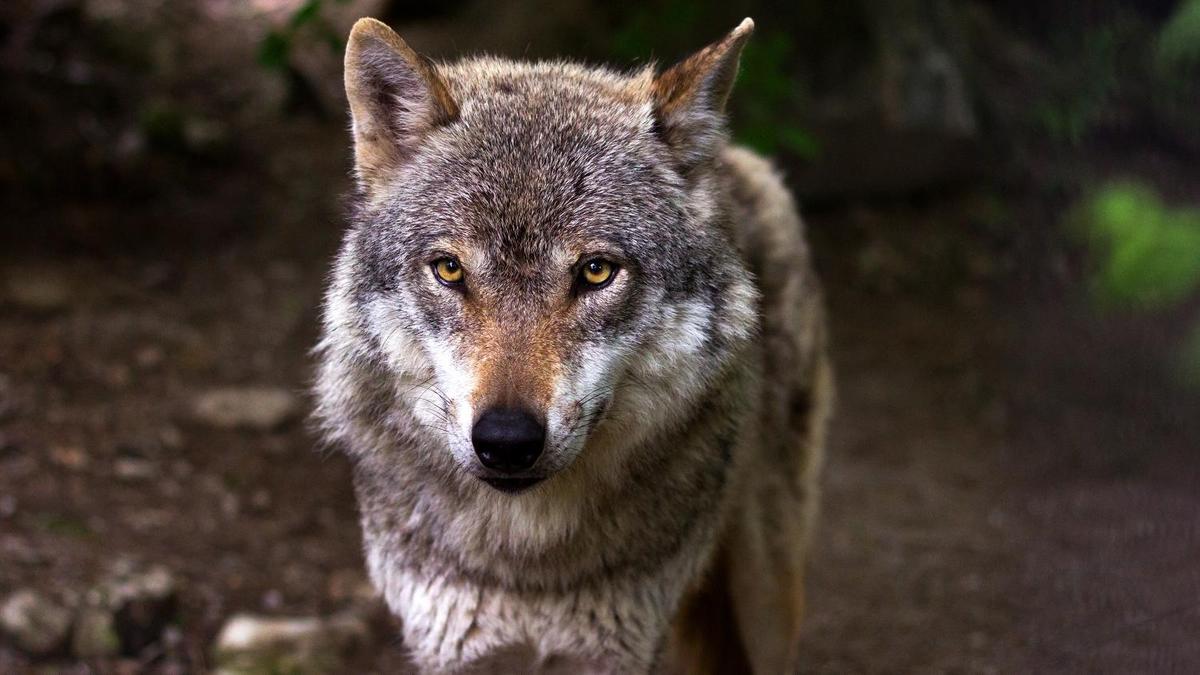
A wolf attacked a man in Kazakhstan's Kostanay region, but it is no longer possible to determine whether the predator had rabies because the materials for testing were unusable, infohub.kz reports.
The incident occurred in the village of Akkol in the Zhangeldin district. The wolf attacked a man who was not a local resident but had come to visit his parents. Neighbors rushed to help and killed the predator. The victim was taken to the hospital in a state of shock.
Rustam Bidibaev, chief specialist of the territorial forestry and wildlife inspection department, explained in an interview with a TV channel why it will not be possible to determine whether the wolf had rabies.
"According to available information, the wolf was killed by local residents in self-defense. We cannot assert that the wolf had rabies because it was not possible to collect the materials—the brain—to establish the disease in the wild animal. The materials were unsuitable. During the defense by local residents, the animal's brain was damaged. The materials are unfit for testing," Bidibaev explained.
After the attack, a veterinarian was called to the scene. The wolf's carcass was burned and the area was treated. The injured man was taken to the hospital and is now under medical supervision.
"Regarding the incident in the Zhangeldin district, we report that the patient, born in 1978, was transferred to the Arkalyk Regional Hospital. His condition is currently assessed as moderate. The patient is under the supervision of medical specialists and is receiving the necessary medical care in accordance with clinical protocols," the press service of the Kostanay Region Health Department said.
The case has again raised concerns about how close wild predators come to populated areas. The wolf population in the country is regulated. For the Kostanay region this year, a hunting quota of about 108 wolves was set. But even such measures do not exclude encounters with predators near homes. Experts emphasize that wolves entering populated areas is not accidental; such behavior has its reasons.
"A healthy wolf may attack a person if the snow has been on the ground for a long time and hunting is difficult. In this weather, a normal wolf would never attack a person. Normal healthy wolves, if they do enter populated areas, do so only in packs and on the outskirts. So this was most likely a rabid wolf," biologist Andrey Andryushchenko said.
Experts name rabies as one of the possible causes of the attack. They say the nature of the attack may support this version: the wolf grabbed the man by the arms. A healthy wolf usually uses different hunting tactics, experts say.