

The conflict in Yemen has entered a new chapter, as the Houthis have declared a maritime siege on all shipping to Saudi Arabia. This was reported by infohub.kz.
The Houthis have attacked a number of Saudi oil tankers in the Red Sea, placing the Bab al-Mandeb Strait at the heart of the US-Iran war and amplifying pressure on global trade routes.
The Iranian-backed Houthis, who seized Yemen's capital Sanaa in 2014, have threatened to close the strait, through which much of Europe's energy supplies and Saudi imports pass.
On Monday, Yemen's internationally recognized government claimed responsibility for an air strike on Sanaa airport, saying it was to prevent an Iranian plane from landing. The Houthis, however, blamed Saudi Arabia. In response, the Houthis fired missiles into Saudi Arabia and later announced a naval blockade on the kingdom.
This escalation marks a major shift in Yemen's civil war. Saudi Arabia, which has sought to avoid a new war on its southern borders, now faces a threat shifting from land to sea, targeting key oil export routes.
The Yemeni government has restructured its military with a single decision-making center, and regional messages suggest the military option remains on the table. The question is whether retaking Sanaa is now a realistic objective.
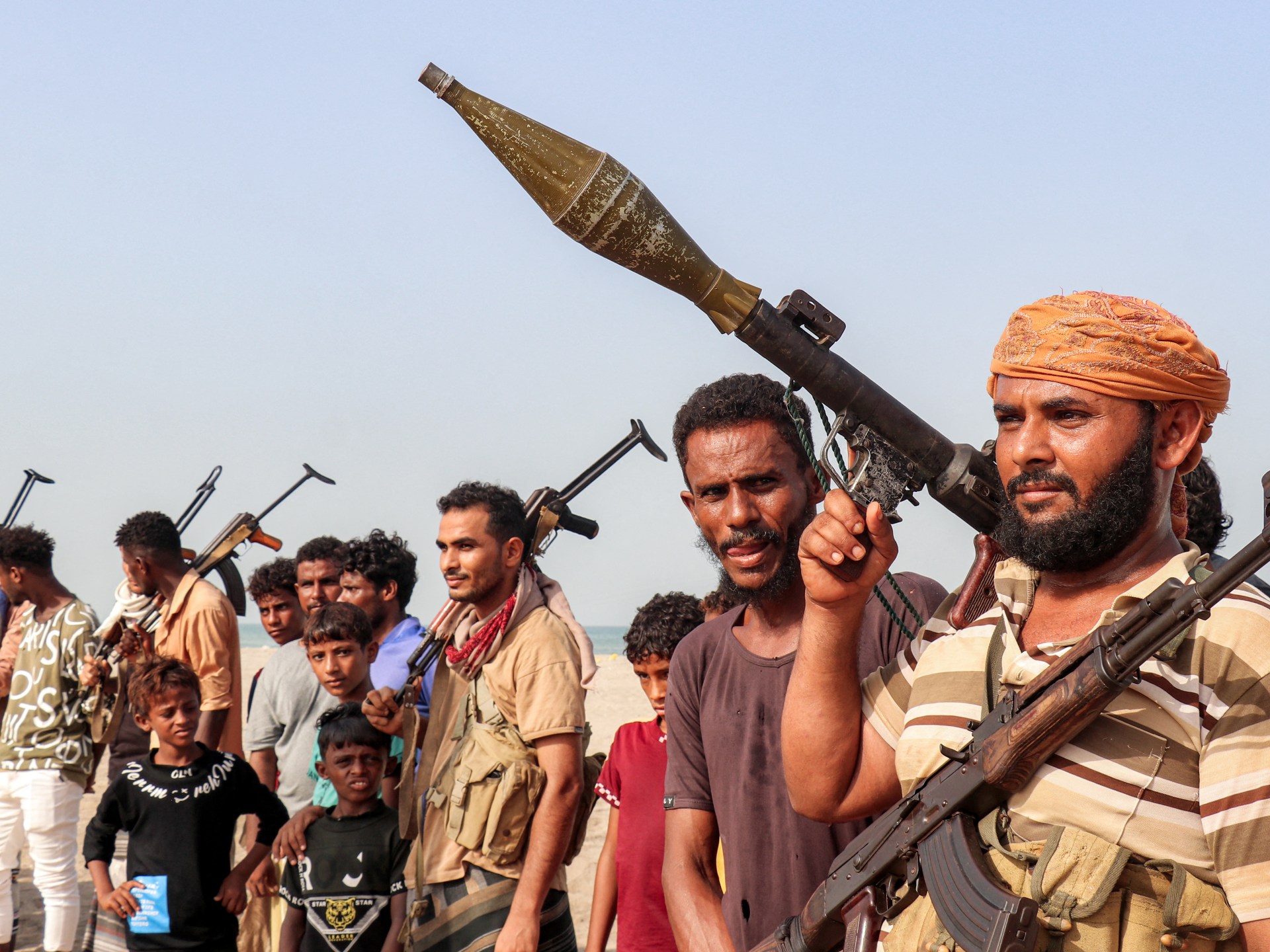
The anti-Houthi camp includes the National Army (about 400,000 personnel), the Emergency Forces (30,000-40,000), the Homeland Shield Forces (30,000-40,000), the Giants Brigades (20,000), and the Guardians of the Republic (20,000). Total government-affiliated forces exceed 500,000, but with disparities in training and integration.
The Houthis claim over 200,000 fighters, with tens of thousands of volunteers. They benefit from a centralized command and experience in asymmetric warfare, including missile, drone, and maritime threats that have proven effective in the Red Sea.
Government forces are capable of defensive operations but face challenges for a large-scale offensive, including multiple decision-making centers, varying training levels, and geographic obstacles. The mountainous northwest gives the Houthis a defensive advantage.
International strategy has focused on degrading Houthi naval capabilities rather than supporting a ground offensive to retake Sanaa. However, the US-Iran war may alter calculations.
Yemen's government military decisions depend on Saudi support. Saudi Arabia has preferred limited military pressure and diplomacy, but regional developments may shift its stance.