
©Tengrinews.kz / Юлия Колмогорова_
Mehr vs. Kalym: Understanding Kazakh Wedding Traditions
In the rich tapestry of Kazakh wedding customs, two terms often surface: Mehr and Kalym. While frequently confused, these traditions represent distinct aspects of marital agreements and hold unique historical and cultural significance. Zira Nauryzbay, a candidate of philosophical sciences and writer, offers a deep dive into these practices, examining their origins, meanings, and evolving roles in modern Kazakh society.
What is Mehr?
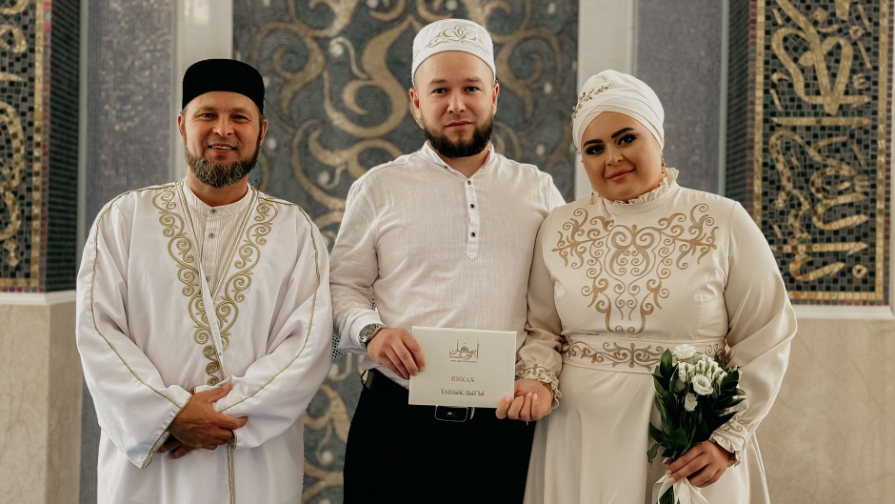
Mehr, rooted in Islamic tradition, is a mandatory gift from the groom to the bride at the time of marriage. The bride herself determines the value of this gift. Stories abound of brides requesting substantial assets like vehicles, apartments, or even businesses. Essentially, Mehr serves as a testament to the groom's sincerity and acts as a financial safeguard for the bride, protecting her against future hardships.
Distinguishing Mehr from Kalym
A common misconception is that Mehr and Kalym are interchangeable. However, they are fundamentally different concepts.
Islam does not view Kalym as a purchase of the bride but rather as a symbol of respect and care towards her.
Kalym in Kazakh Tradition
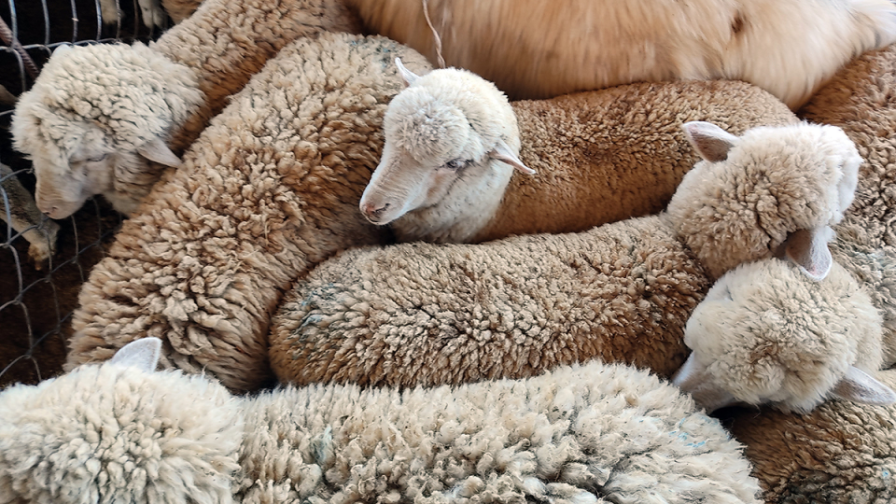
Historically, Kalym in Kazakh culture was more than just livestock; it was a ritual that strengthened ties between two clans, a tradition spanning centuries. The amount of Kalym was agreed upon by both parties, typically involving livestock. It was considered an exchange for the bride's dowry, known as 'jasau'. This meant that while the groom provided livestock, the bride brought her handmade items, clothing, and furnishings to the new household. This represented a mutual contribution from both sides towards establishing a new family.
Mehr and Kalym Today
Although the Soviet era banned the practice of Kalym, the tradition persisted in some regions. Today, Kalym is often paid in cash, gradually losing its traditional essence. In contrast, Mehr continues to hold its importance, especially with the growing influence of Islam. Some families now opt to practice both Kalym and Mehr. According to an explanation from the Spiritual Administration of Muslims of Kazakhstan in 2024, Kalym can be considered as Mehr if the bride agrees.
Looking ahead, it is anticipated that Mehr's significance will grow, driven by the increasing adherence to Islamic practices, the emphasis on individual rights, and the ostentatious displays often seen on social media. Conversely, traditions like Kalym and elaborate dowries are expected to gradually diminish.
This analysis was reported by Infohub.kz.


-
Зира Наурызбай қазақ қоғамындағы неке сыйлықтарының тарихын, маңызын және қазіргі жағдайын талдайды.
-
Спорт және туризм министрі Ербол Мырзабосынов мәнерлеп сырғанаушы Михаил Шайдоровқа қатысты жағдайға қатысты пікір білдіріп, спортшыға қарсы мақсатты ақпараттық науқан жүргізілгені туралы сауалға жауап берді.