
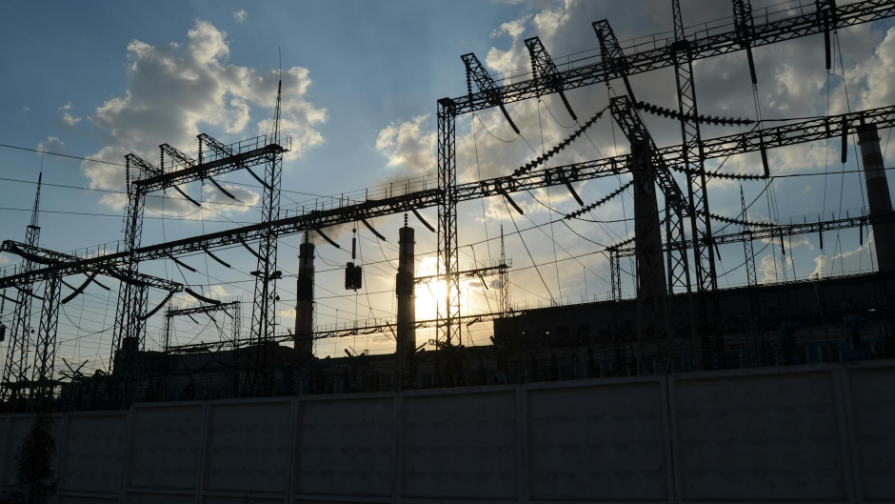
Photo: Daryana Vasson (https://www.pexels.com/@daryana-vasson-269815074) / Pexels
Trans-Saharan Pipeline: Africa's New Gas Route to Europe
Europe is forging a new path to energy independence with a monumental infrastructure project aimed at significantly reducing its reliance on Russian natural gas. Nigeria, Niger, and Algeria have joined forces to construct the Trans-Saharan Gas Pipeline, a project poised to reshape the continent's energy landscape.
A New Artery for Energy
The ambitious pipeline, stretching an impressive 4,128 kilometers, is designed to transport up to 30 billion cubic meters of natural gas annually. This vital energy artery will originate in Warri, southern Nigeria, traverse Niger, and connect to the Hassi R'Mel gas hub in Algeria. From there, the gas will flow through existing export terminals in the Mediterranean to reach European markets.
Timeline and Economic Impact
Nigeria's Minister of Petroleum Resources, Ekperikpe Ekpo, announced that the construction of Nigeria's segment is slated to commence in early 2027. Beyond its energy implications, the pipeline is expected to be a catalyst for economic and social development in the regions it passes through, marking a historic milestone for these nations.
Enhancing European Energy Security
This groundbreaking project offers Nigeria a crucial gateway to the European market, while simultaneously strengthening Niger's position as a key transit country. Algeria, already a significant gas supplier to the EU, will further solidify its role, currently providing approximately 12% of the bloc's imported gas. This initiative comes as the EU has successfully reduced its dependence on Russian gas from 40-45% to less than 10% since 2022, a transition that has necessitated substantial investments in alternative energy infrastructure, estimated by the European Commission to require €210 billion for new initiatives by May 2026.
Бұл туралы Infohub.kz ақпарат агенттігі хабарлайды.

-
Нигерия, Нигер және Алжир бірігіп, Транссахара газ құбырын салуды бастады. Бұл жоба Еуропа Одағының Ресей газына деген тәуелділігін азайтуға бағытталған.
-
Напряженность на Ближнем Востоке достигла нового пика: Иран закрыл свое воздушное пространство, а в Израиле отменены занятия в школах из-за угрозы безопасности.