

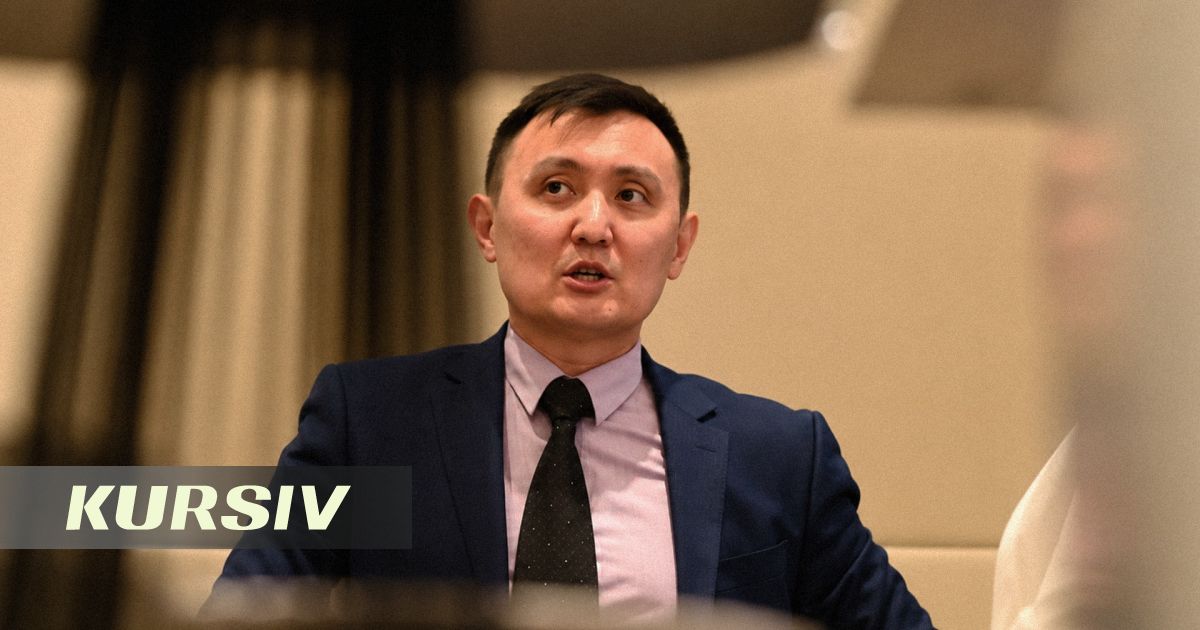
At the Central Asia summit, Kazakhstan's President Qasym-Jomart Toqaev placed special emphasis on developing international transport routes, proposing to link the Middle Corridor and the TRIPP corridor from Azerbaijan through Armenia toward Turkey. At the same time, as political scientist Gaziz Abishev notes, Astana does not intend to develop some projects at the expense of others: Qasym-Jomart Toqaev separately stressed that the North-South route in cooperation with Russia remains particularly relevant for Kazakhstan, infohub.kz reports.
"This is not a routine phrase, but a fairly clear message underscoring the preservation of a multi-vector course. At the current stage, in the context of a large continental war and sanctions confrontation, some routes may receive more attention than others. But wars end sooner or later. And all logistics specialists say that routes through Kazakhstan and Russia — whether from East to West or from North to South — are economically the most rational," the political scientist notes in his analysis.
Astana's approach demonstrates a principled refusal to be drawn into any form of geopolitical confrontation. This is not about short-term tactics, but about a long-term national strategy designed for a historical perspective, when current political trends will change direction.
Kazakhstan, which shares a long border and close economic ties with Russia, continues a consistent policy of good-neighborliness and mutual respect.
"President Toqaev rejects the idea of involving Kazakhstan in active, passive or hybrid confrontation. This is not about tactics, but about strategy: how certain steps will be viewed over a long historical perspective, when momentary trends change direction," the expert emphasizes.
The development of the Middle Corridor, the TRIPP route and the North-South arteries fits into Kazakhstan's global vision as a state with no direct access to the world's oceans.
The country's main priority is access to the world's largest markets in all possible directions: from China and Western Europe to Iran, Afghanistan, Pakistan and India.
"The overall message of Kazakhstan as a land-locked country is that we must trade, not fight. Ideally, if Kazakhstan were connected to world markets through all possible corridors… The more corridors, the higher the country's resilience," Gaziz Abishev concludes.