

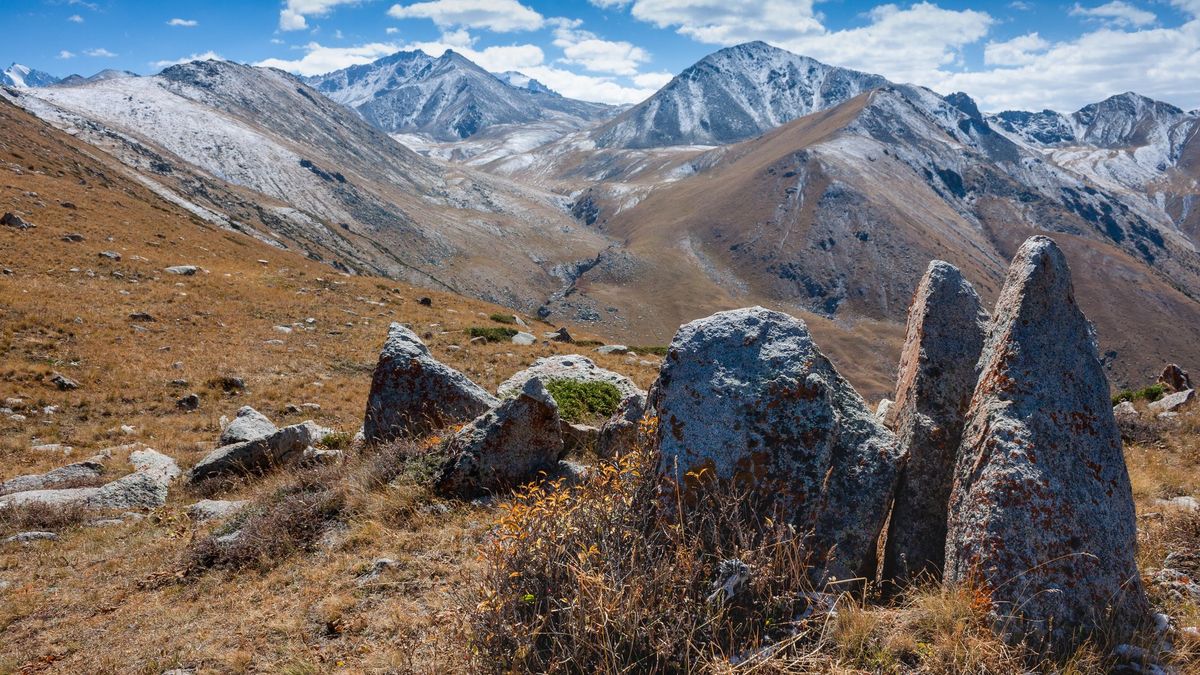
Pavel Voskoboynikov, chief rescuer of the 'Barys' service of the Ministry of Emergency Situations, has named the most dangerous routes in the mountains of Almaty, reports infohub.kz.
According to the Regional Communications Service of Almaty, rescue teams in the summer period respond to calls daily, sometimes three to four times a day. Voskoboynikov emphasized that all routes involving ascents to peaks should be considered dangerous. Tourists may encounter rockfalls, glaciers, sharp temperature changes, and difficult sections requiring experience and special equipment.
He paid special attention to Medvezhe (Bear) Gorge and Kumbeulsu Gorge. 'In Medvezhe Gorge there are three waterfalls. Passing such sections may require special equipment. Unprepared tourists should not go there on their own. And Kumbeulsu Gorge is generally considered impassable,' warned Pavel Voskoboynikov.
He noted that one of the most common causes of incidents in the mountains is overestimating one's own strength. Some tourists, after a single hike with a guide, believe they already know the mountains well enough and begin to choose more difficult routes on their own. At the same time, people do not always study the route, do not take into account the length of daylight, and also incorrectly select equipment.
'Mountains require a responsible attitude and serious preparation. Even before setting out, it is necessary to study the route and inform relatives or friends of the exact direction of movement. The phrase "went to the mountains" is not enough: we, rescuers, need to know at least the name of the gorge and the intended final point. If geolocation is available, the duration of the search operation can be reduced by about half. If coordinates are unknown, rescuers have to comb a significant area, and in some cases involve a canine unit with a specially trained dog,' says the rescuer.
Pavel Voskoboynikov also advised taking two phones or a spare battery, as well as a paper map. It is advisable to leave one copy of the map with relatives. In addition, rescuers noted that cases of teenagers aged 14-16 getting lost in the mountains have become more frequent. Parents were recommended to find out the route of children, the time of return, and to stay in constant contact with teenagers who have gone on a hike.