

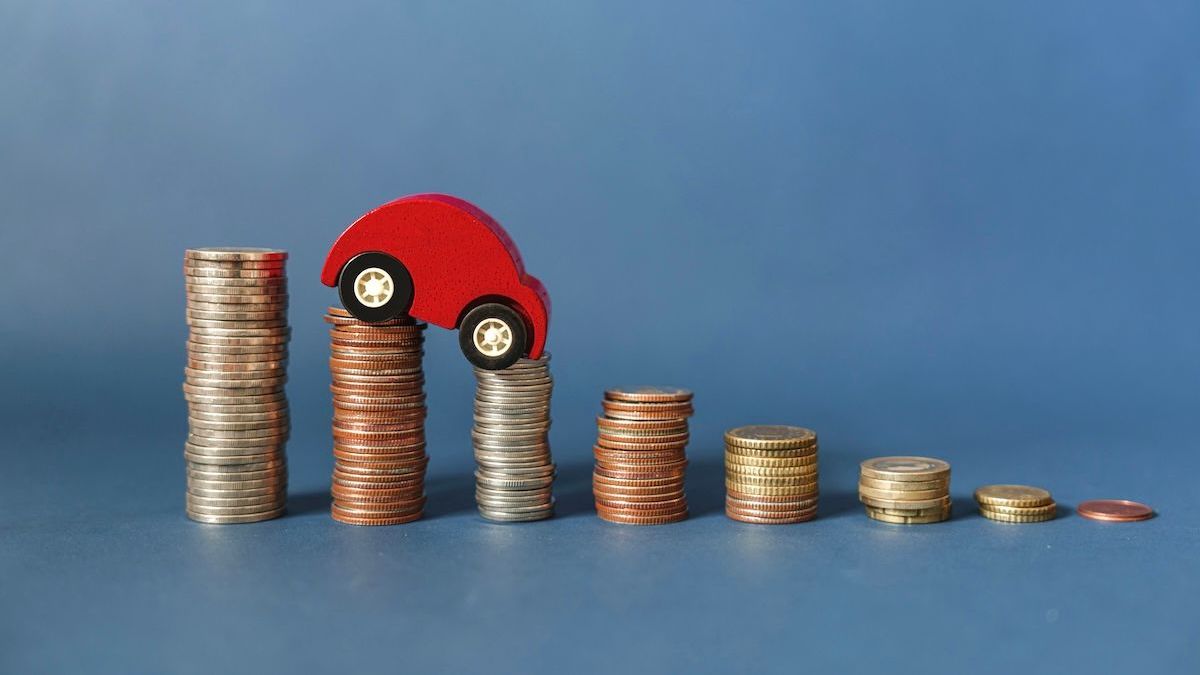
Kazakhstanis are active users of taxi services: in January–July 2026, private drivers earned 101 billion tenge, up 10.5% from a year earlier. However, users often notice sharp price increases — most frequently during bad weather (snow, rain) or technical failures in service operations. As a result, there are frequent calls to fix ride prices for such cases and prevent them from rising. Independent financial analyst Andrey Chebotarev explained in the Finance.kz Telegram channel why this would not make rides cheaper, according to infohub.kz.
According to the analyst, the price rises for an objective reason, and capping it would not reduce the cost of rides. Moreover, a price cap would simply deprive Kazakhstanis of the ability to go anywhere.
As Chebotarev notes, all taxi services operating in Kazakhstan use dynamic pricing algorithms — the price depends on demand and the number of available drivers. If there are few passengers and many available cars, the price remains at a low market level, since all orders can be fulfilled. When there are many orders but few available cars, demand exceeds supply, so the price rises — this attracts more taxi drivers to work and filters out some passengers, reducing the load.
"A high price tells drivers 'get out there, it's worth it now,' and at the same time tells some passengers 'wait ten minutes or take the bus.' The price balances supply and demand in real time," the analyst explains.
To keep the price from changing depending on bad weather, a legal ban on raising it could be introduced. However, Chebotarev points out, in that case Kazakhstanis would simply be left without taxis. For example, during rain, more people would want to travel by car rather than stand in the rain, which would increase demand. But since the price is low and bad weather causes traffic jams in the city (each ride takes longer and fuel consumption increases), many taxi drivers might simply not want to go out for a shift.
The result would be a shortage of cars, and taxi drivers would start demanding extra payment for rides while bypassing taxes. Passengers would still have to overpay, but illegally, and part of the money would end up in the shadow economy.
"Today's Yandex outage is a perfect illustration. A high fare brought additional drivers onto the road and cooled some demand, filtering out those who could wait or travel another way. Yes, it's expensive, but at least you can get a ride. With a fixed price and the same outage, no one would have been able to go anywhere at all," notes Andrey Chebotarev.