

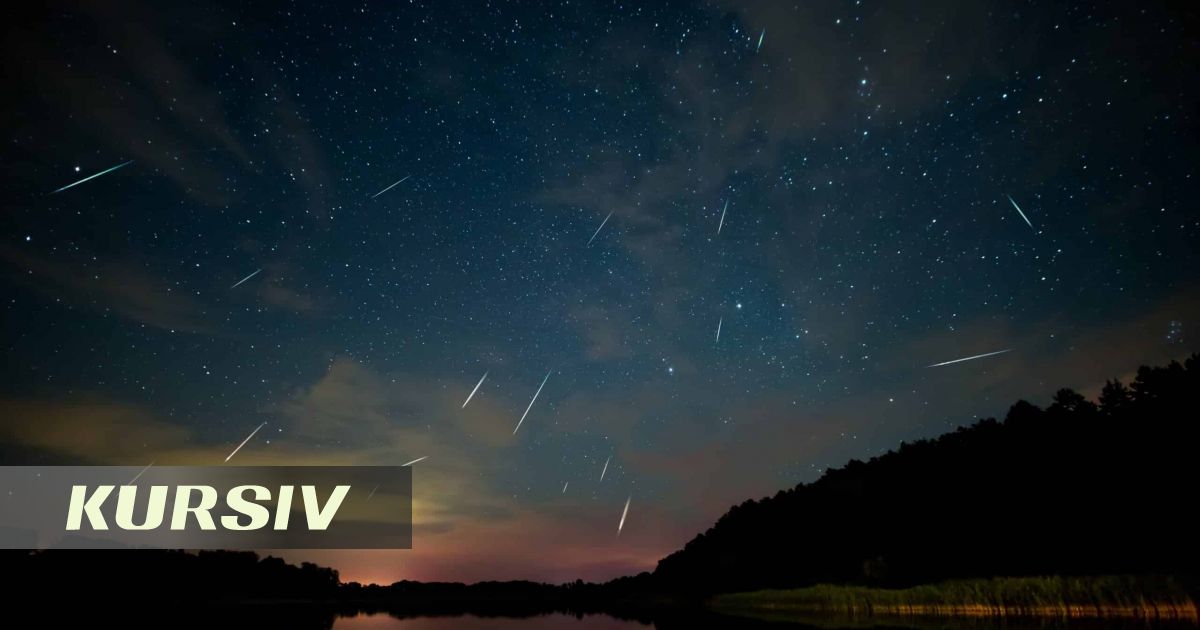
In September, Earth's residents can expect two meteor showers that will light up the night sky. The main astronomical events of the month will be the September Epsilon Perseids, peaking on September 9-10, when up to 8 meteors per hour can be observed, reports infohub.kz.
The main September showers: Aurigids, active from August 31 to September 1, but in 2026 the bright moonlight will hinder observation of faint meteors. The September Epsilon Perseids, peaking near the new moon (only 2% lunar illumination), create ideal dark conditions for observations. Up to 8 fast meteors per hour are expected. Also active are the Daytime Sextantids from September 20, but their maximum shifts to early October, and the first meteors can be spotted before dawn.
For observing meteor showers, it is recommended to go outside the city, away from bright lights and roads. Look at an open patch of sky in the direction of the constellation Perseus (for Epsilon Perseids). Telescopes and binoculars are not needed — your eyes adapt to the dark on their own, which takes about 20 minutes.
The next significant meteor showers are the Draconids on October 9 (a modest shower that may unexpectedly show high activity) and the Orionids on October 21, capable of producing up to 20 meteors per hour.