

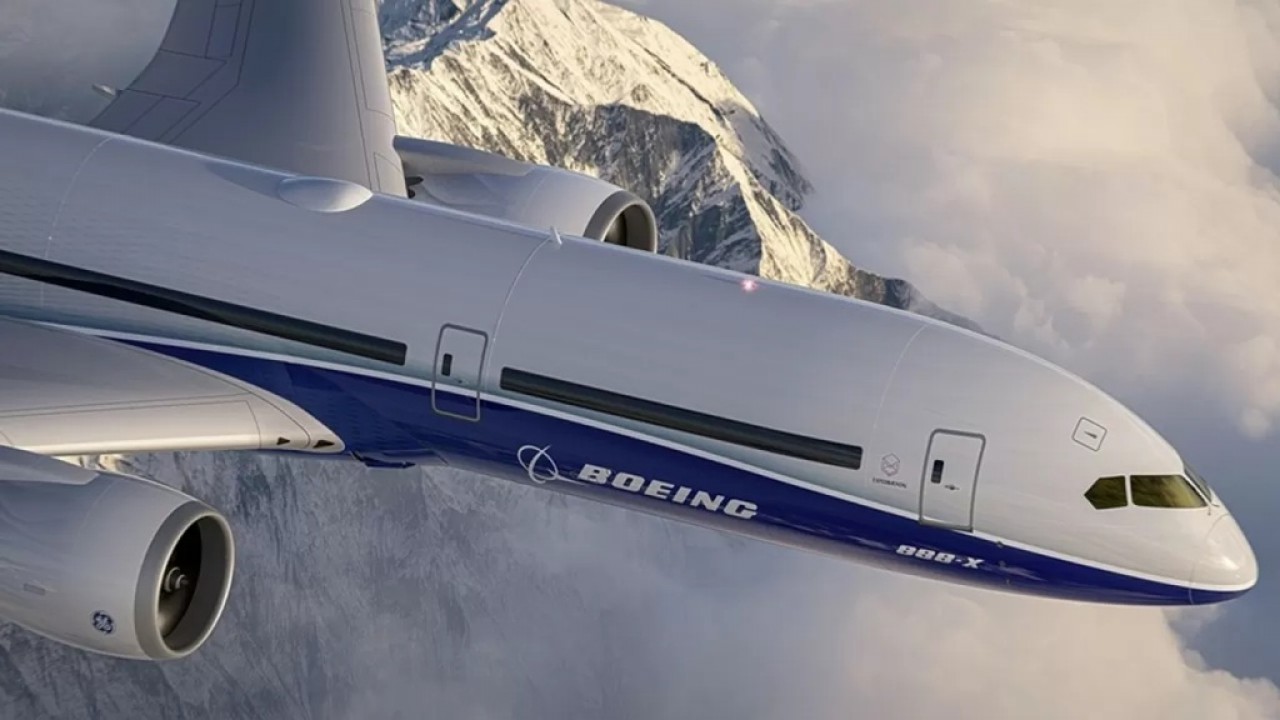
The global aviation market will require more than 43,000 new aircraft over the next 20 years, according to Boeing's updated forecast. Despite geopolitical tensions from the war in Iran, the US manufacturer kept its demand estimate for commercial jets unchanged. The report was released ahead of the Farnborough Airshow, reports infohub.kz.
The forecast projects that from 2026 to 2045, global airlines will need 43,625 new planes: 33,545 narrowbody jets, 7,715 widebodies, 930 freighters, and 1,435 regional aircraft. European rival Airbus recently trimmed its outlook by 1% due to the Middle East conflict and trade tensions. Boeing views the current slowdown as temporary and expects global passenger traffic to return to its previously projected growth trajectory by late 2028.
Boeing forecasts passenger air travel will grow at an average of 4% per year, cargo at 3.7%, and the worldwide fleet will nearly double from 28,000 in 2025 to 50,000 by 2045. Additionally, a deficit of about 2,000 aircraft is expected by 2026, with narrowbody shortages persisting through the decade and widebody gaps until the early 2030s.
Nearly half of future deliveries will replace aging planes, with the rest expanding fleets. China remains the largest market, accounting for 21% of all deliveries. Boeing continues to face production constraints and certification delays for the 737 MAX 7, 737 MAX 10, and 777-9, but the company believes fundamental drivers—trade, tourism, migration—will ensure long-term demand.