

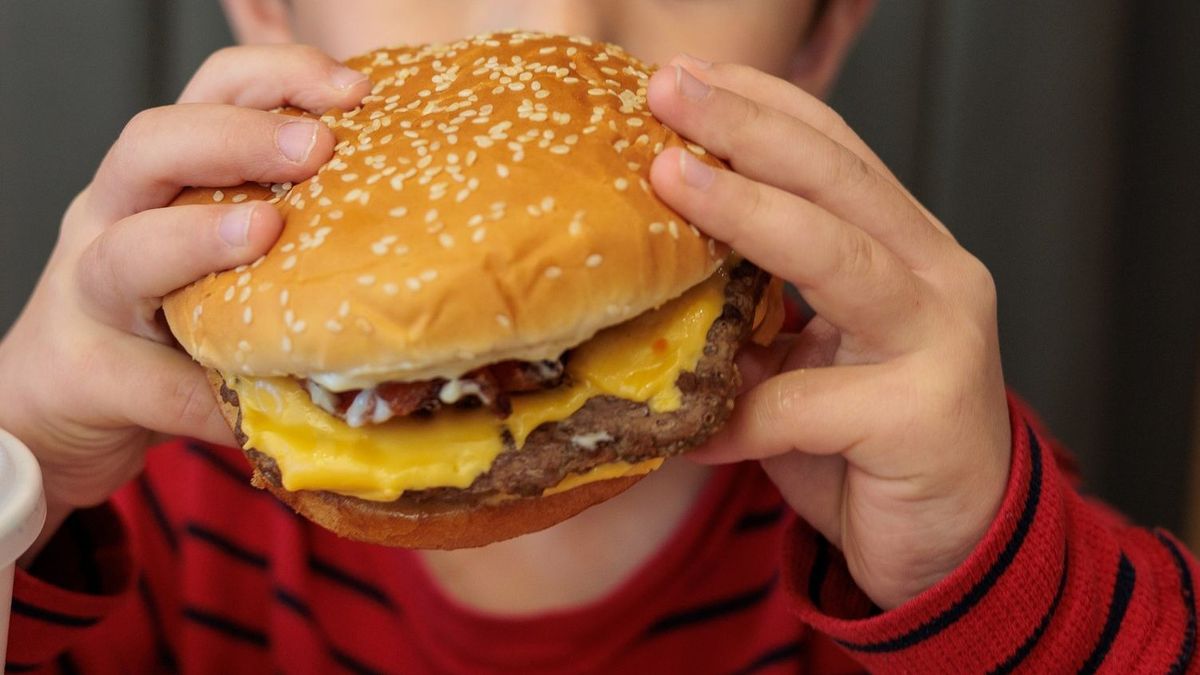
Starting in July 2029, California public schools will begin phasing out ultra-processed foods high in sugar, fat, and salt, along with certain food additives, with a full ban mandated by law AB 1264 by July 2035. However, a study by researchers at Stanford University School of Medicine, published in the journal Public Health Nutrition, shows that school districts will face serious challenges in implementing the initiative, according to infohub.kz.
The Stanford University study identified key financial and infrastructural barriers that schools in the state will encounter, TechCrunch reports.
The authors interviewed school nutrition directors from 20 districts in the San Joaquin Valley. Among the main obstacles, experts cited insufficient budgets, staff shortages, procurement difficulties, and inadequate kitchen infrastructure. Replacing semi-prepared items such as frozen pizza or nuggets with freshly cooked meals requires upgrading cafeterias, hiring qualified cooks, and increasing raw ingredient costs.
Professor of Pediatrics Anisha Patel and Dr. Andrea Pedrosa-Tobias emphasize that transitioning to scratch cooking will require additional government investment. According to the researchers, investing in school meals is justified because for many children from low-income families, these are the main meals of the day, and reducing ultra-processed foods will lower the long-term risks of obesity, diabetes, and cardiovascular disease.