

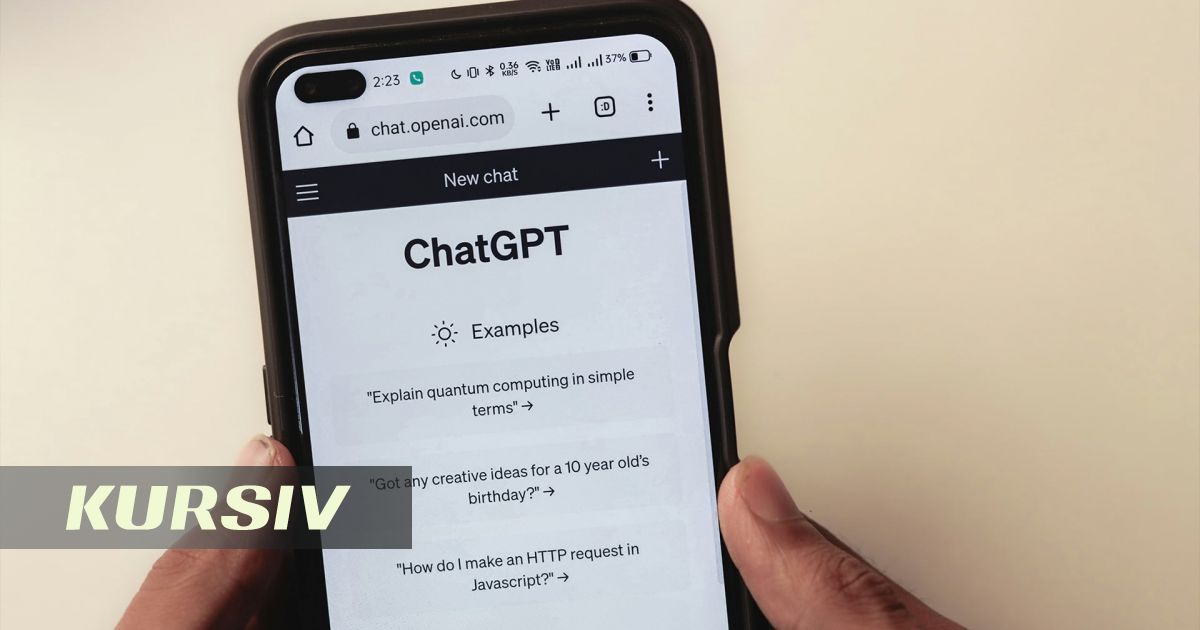
A former pastor from Florida has filed a lawsuit against OpenAI and its CEO Sam Altman, alleging that advice from ChatGPT led him to delay seeking medical treatment, resulting in dangerous complications. The case was first reported by The New York Times and is republished on infohub.kz.
It is believed to be the first known lawsuit directly linking harm to medical advice provided by a chatbot in response to a user's inquiry about a physical ailment.
According to the lawsuit, in 2025 the man repeatedly consulted ChatGPT about leg pain, swelling, and other symptoms. The chatbot assured him that there was no serious danger, advised him to limit physical activity, and recommended not rushing to see a doctor. The plaintiff argues that these recommendations caused a dangerous delay in treatment. Shortly thereafter, he was admitted to the intensive care unit with a massive pulmonary embolism.
The lawsuit accuses OpenAI of negligence and practicing medicine without a license. In addition to monetary compensation, the plaintiff is seeking a court order requiring OpenAI to change ChatGPT's behavior: when users show signs of urgent medical conditions, the chatbot should stop providing advice and instead urge them to seek immediate medical attention. The lawsuit also demands that the launch of the ChatGPT Health service be halted pending an independent safety review.
OpenAI has stated that ChatGPT is not designed to diagnose or treat illnesses and should not be used as a substitute for a doctor. The company also noted that it continues to improve the model's safety features.
For insights on how prolonged interaction with artificial intelligence can affect human thinking, read the article by Kursiva.