

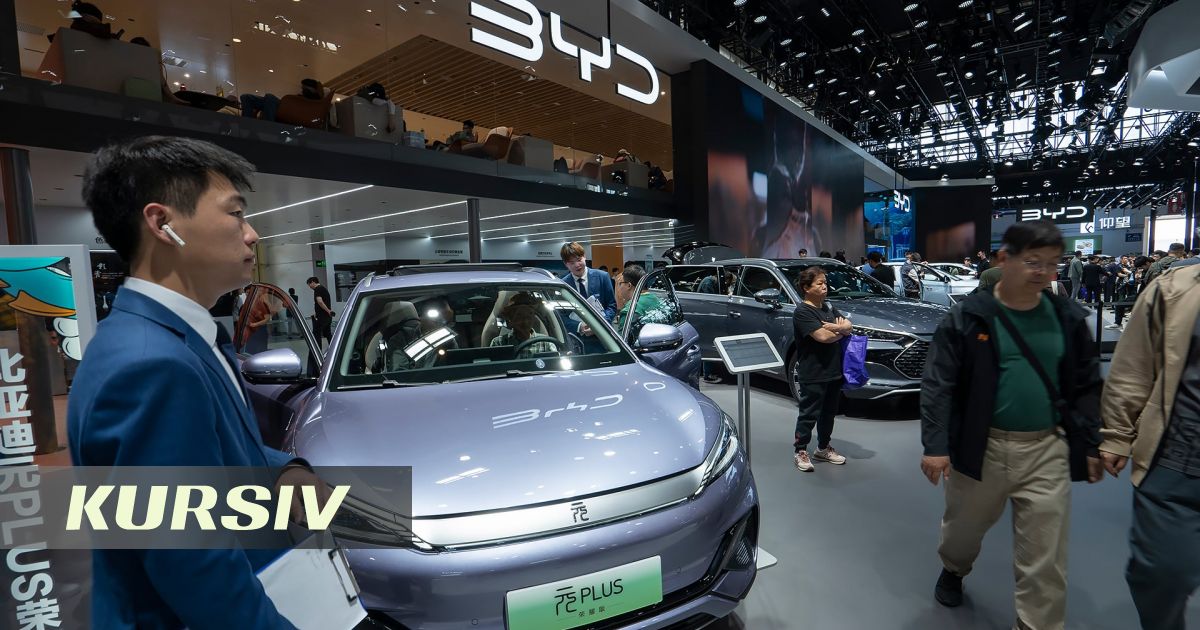
After years of rapid growth, China's electric vehicle market has begun to slow: sales of battery-powered cars fell by 14% in the first seven months of 2026 compared to the same period last year, according to infohub.kz.
According to the China Passenger Car Association (CPCA), about 4.7 million electric vehicles were sold in China since the start of the year. Even the largest manufacturers have faced falling demand. In July, BYD sold 239,300 vehicles domestically, down 9% year-on-year, though up 4.9% from June. Geely saw a similar trend: sales rose 4% from June but fell 29.1% year-on-year. The decline also affected Xpeng, Nio, and Li Auto.
One reason is the reduction in government subsidies. Previously, buyers of new cars could receive a payment of 15,000 yuan. Now, the compensation is 10% of the vehicle's price, but capped at 10,000 yuan (about 1 million tenge). For the most affordable electric vehicles, this means a reduction in support of about 5,000 yuan. Additional pressure comes from the slowing economy and the ongoing price war among automakers. In the second quarter, China's GDP grew by 4.3%, the lowest since late 2022.
It is too early to talk about the impact on car prices in Kazakhstan. However, Carscoops notes that exports are currently helping BYD and Geely compensate for declining domestic sales. If this trend continues, foreign markets will become even more important for Chinese manufacturers. It is possible that this will eventually affect prices and availability of cars in Kazakhstan. Given the growing share of Chinese brands in the local market, it is worth keeping an eye on developments.