

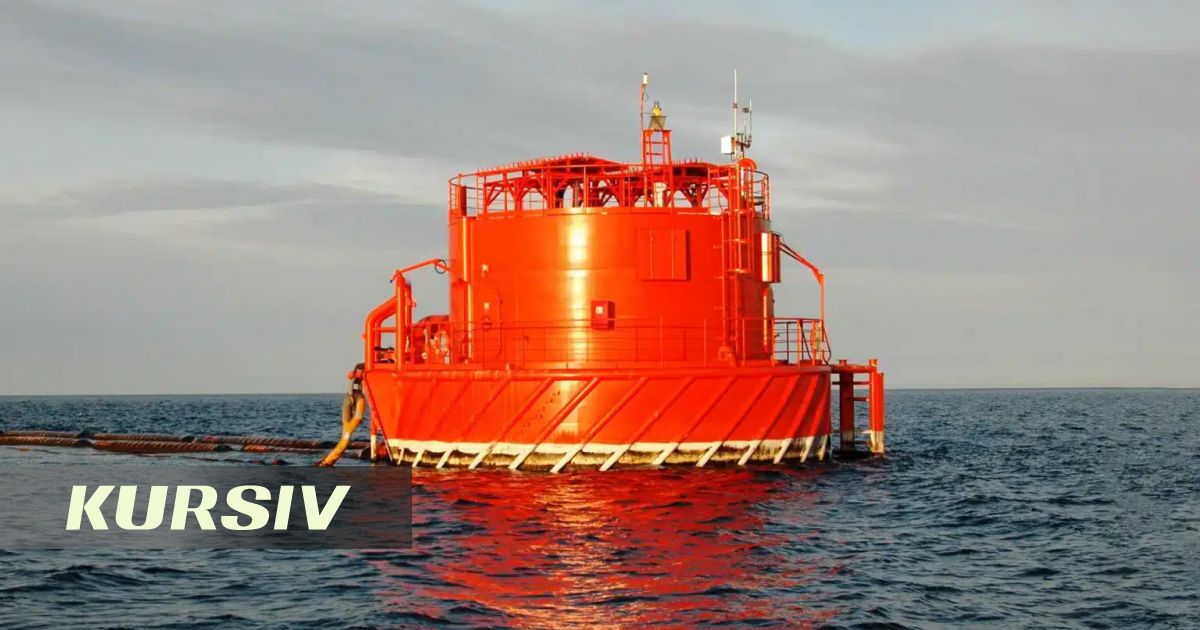
Kazakhstan's Energy Ministry has denied rumors of a complete shutdown of the Caspian Pipeline Consortium (CPC). According to official representative Asel Serikpaeva, such a scenario is not even being considered, reports the website infohub.kz.
The ministry clarified that on July 31 CPC temporarily suspended the pipeline's operations. However, oil acceptance from shippers has not stopped, and the tank farm continues to fill up. Since August 1, the daily intake volume has been 100,000 tonnes. Further increases in transportation volumes will depend on how timely tankers arrive for loading at the marine terminal.
Officials stress that the ministry is in constant contact with CPC and shippers, and the situation is under control.
It is important to note that CPC is a key export route for Kazakh oil: over 80% of all exports pass through it.
Among the consortium's shareholders are Russia (24%), CPC Company (7%), national company KazMunayGas (19%), Kazakhstan Pipeline Ventures LLC (1.75%), Chevron Caspian Pipeline Consortium Company (15%), Lukoil International GmbH (12.5%), Mobil Caspian Pipeline Company (7.5%), Rosneft-Shell Caspian Ventures Limited (7.5%), BG Overseas Holdings Limited (2%), Eni International N.A. N.V. S.ar.l. (2%), and Oryx Caspian Pipeline LLC (1.75%).
Earlier, Kursiv reported that on the night of July 30, drones attacked two tankers near the CPC marine terminal. A fire broke out on the vessel NIFFOS SIFNOS, which was loading oil from Tengizchevroil, but it was quickly extinguished; there were no casualties or oil spill. Another vessel, MARATHI, was attacked six nautical miles from the terminal, after which oil loading was suspended.
Earlier in July, other tankers — ASIA, NISSOS IOS, and Nordic Zenith — had also been attacked. They were linked to oil supplies from Tengizchevroil, Kashagan, Maten Petroleum, and ExxonMobil. Kazakhstan's Energy Ministry and Foreign Ministry have raised the issue of CPC security in contacts with foreign partners.