

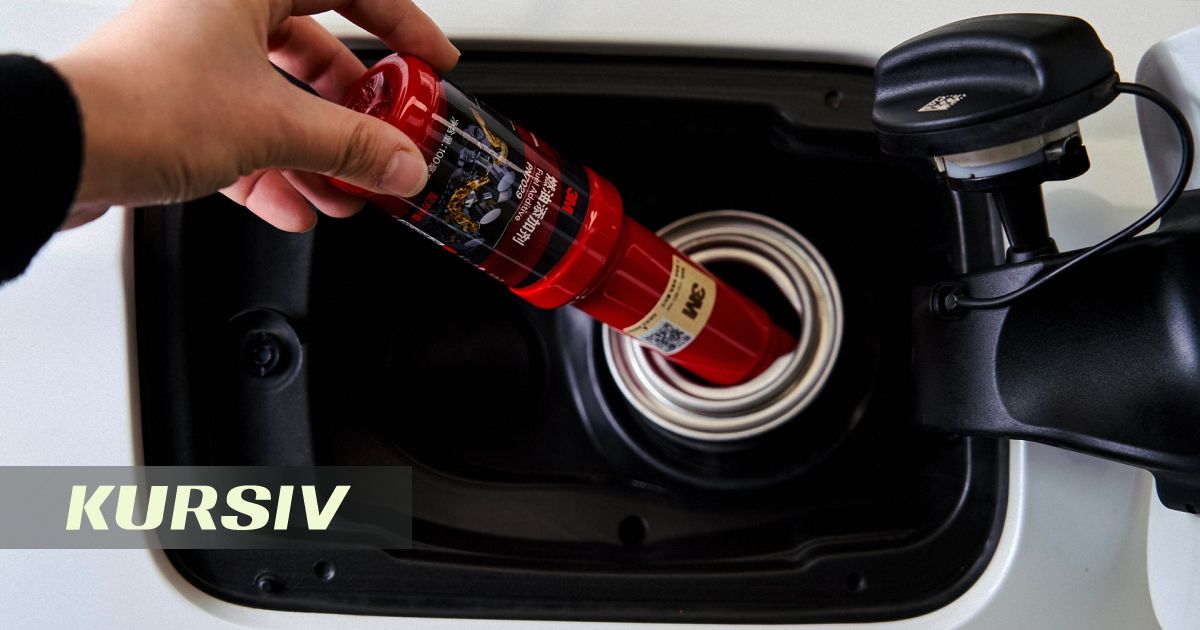
Amid complaints about gasoline quality in Kazakhstan, drivers are looking for ways to protect their engines. Nikita Rodionov, technical director at Fit Service, explained why cheap additives can only worsen the problem, reports infohub.kz.
Some motorists use additives to boost the octane number of gasoline or compensate for questionable fuel quality. However, such savings can lead to expenses for engine and exhaust system repairs, the expert warns.
An octane corrector can indeed increase the fuel's knock resistance, but after adding it, AI-92 does not become a full-fledged AI-95.
"The octane number is just one of the parameters of gasoline. It does not show the content of sulfur, water, resins, mechanical impurities, or the stability of the fuel's fractional composition," Rodionov explains.
He added that the additive will not remove contaminants from the gasoline, restore injectors, or fix a faulty ignition system.
If a car is designed for AI-95, it is more reliable to use high-quality fuel of the appropriate grade. This is especially true for modern engines with turbocharging, direct injection, and complex exhaust treatment systems.
The expert advises caution with cheap octane correctors of unknown origin. Some contain metal-based antiknock agents whose combustion products can form deposits on spark plugs, oxygen sensors, in the catalytic converter, and gasoline particulate filter.
"The car may experience misfires, errors in mixture composition and catalyst efficiency, unstable engine operation, poor acceleration, and increased fuel consumption," the specialist says.
Ultimately, an attempt to save on one tank of gas can result in replacing spark plugs, sensors, injectors, or the catalytic converter.
If the car runs normally after refueling, it is worth keeping the receipt, monitoring the car's behavior, and refueling at a trusted gas station at the next opportunity.
If vibrations appear, the engine starts misfiring, the Check Engine light comes on, the car loses power, or starting problems occur, do not add another dose of chemicals to the tank. In such a situation, diagnostics are needed first.
Fuel system cleaners can be used for prevention, but only according to the instructions. If serious injector contamination is suspected, professional cleaning after diagnostics will be a more predictable option.
Earlier, Kursiv Auto explained what to do if the car starts to "act up" and consume more gasoline.