

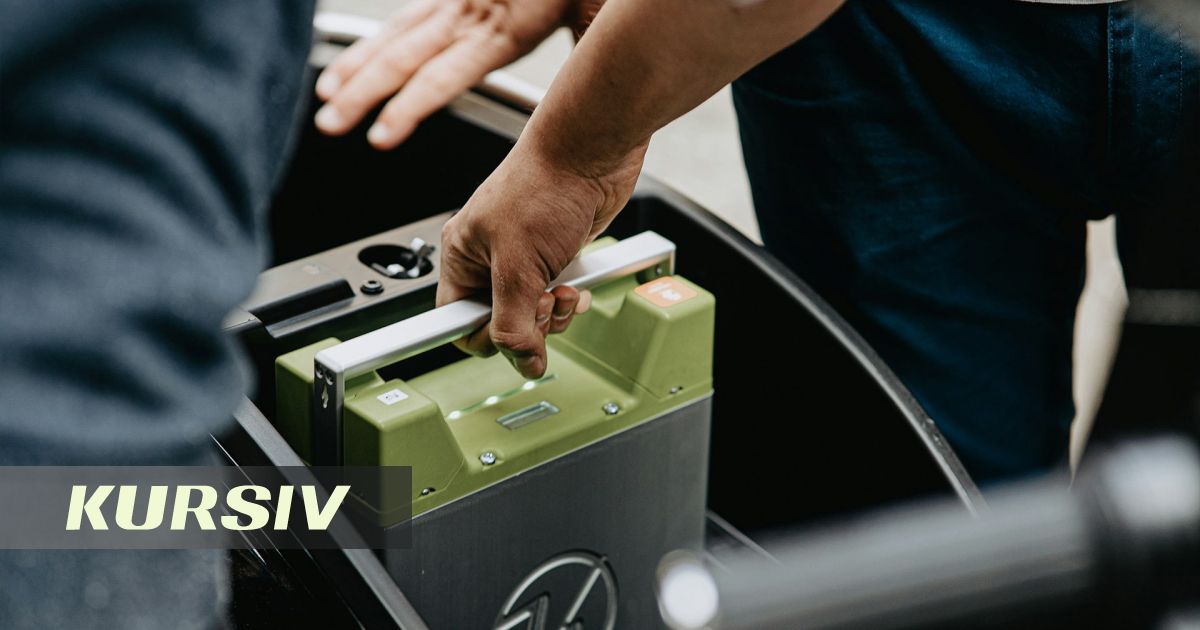
By 2030, Europe could face a new challenge: recycling more than 1 million electric vehicle batteries that will reach the end of their service life. Experts are urging the development of the necessary infrastructure now, reports infohub.kz.
Global sales of electric vehicles continue to rise. Their share now accounts for about a quarter of the global new car market, and in the first half of 2026 alone, more than 1.24 million EVs were sold in Europe – a 33.7% increase year-on-year.
However, this also means a growing number of batteries that will soon need to be recycled. According to the International Energy Agency, around 1.2 million batteries could become waste within the next four years. By 2040, that number could rise to 14 million.
Lithium-ion batteries can be recycled, but the process remains expensive and technologically challenging. In Europe, technologies are being developed to automate battery disassembly, increase the recovery of valuable materials from the current 50% to 90–95%, and enable the reuse of some batteries – for example, in energy storage systems.
“Electric vehicles play a key role in the transition to a lower-carbon economy, but their long-term success depends on how effectively we manage the associated waste stream,” said James Skidmore, a representative of Valpak.
The issue of battery recycling is gradually becoming relevant for Kazakhstan as well. It was previously reported that the country has about 21,000 registered electric vehicles, including buses. While most of them are far from reaching the end of their battery life, as the fleet grows, safe battery recycling and the reuse of the materials they contain will become increasingly important.