

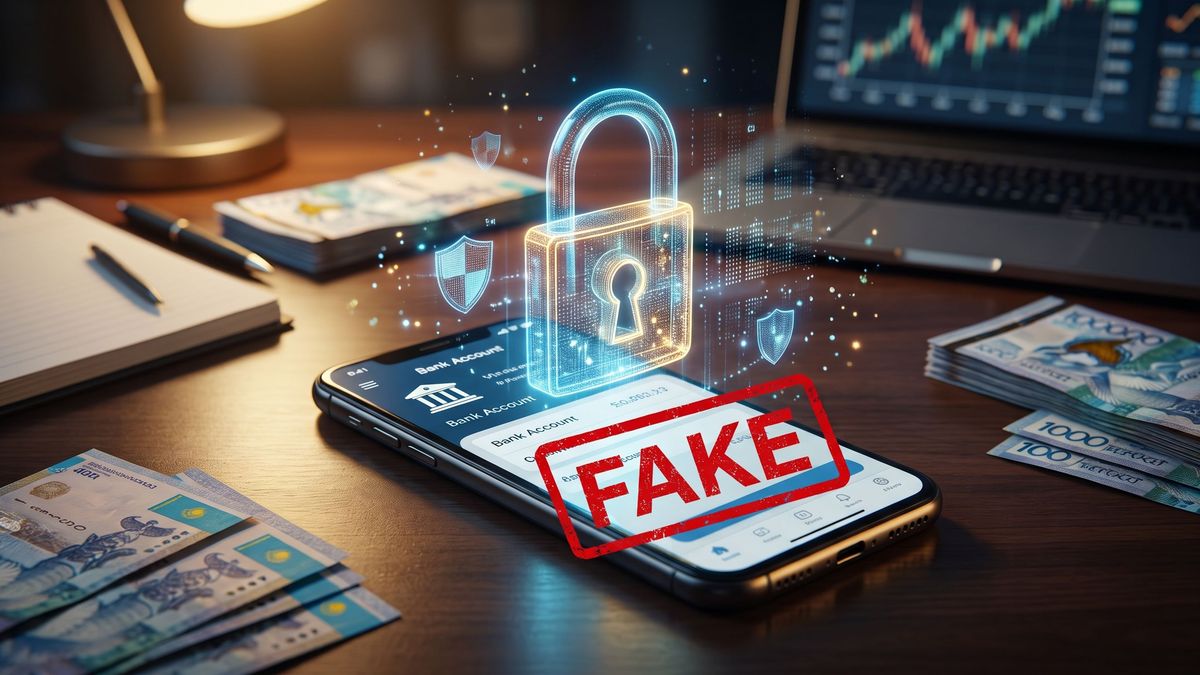
A frightening chain message is circulating on Kazakhstani messengers about a global cyberattack on November 17 that will supposedly wipe out bank accounts and cut off the internet for three months, the website infohub.kz reports.
Anonymous authors claim that "COVID 2.0" will arrive that day: hackers will allegedly breach all banking systems, citizens' accounts will be zeroed out, mobile apps will stop working and the internet will be down for three months. Amid these rumors, the messages urge people to rush to ATMs en masse and withdraw cash. But the claim turned out to be a fake.
The original message about the date of the "global crash" appeared on the X messenger from a user named Wesleysimplic. He reported that accounts would be "zeroed out" and the internet cut off for three months.
However, it turned out that the November 17 date was not chosen at random, but its meaning was grossly distorted by the creators of the fake — the United States has simply scheduled a routine test of its Emergency Alert System over radio and television that day.
This is a standard test of public warning systems that U.S. authorities conduct regularly (similar sirens and radio intercepts are tested in Kazakhstan as well). Testing a safety system does not mean an attack is expected. Moreover, no U.S. government agency or international cybersecurity body has announced a threat of a global banking crash.
According to the international portal CryptoTicker, which specializes in crypto security and cyber threats, a global wipeout of accounts is technically impossible.
Kazakhstani and global banks do not store data in a single vulnerable location: all financial information, including client balances, is mirrored and duplicated across numerous independent servers in different data centers. Strict security protocols under state regulation require this.
Even in the event of a failure, the money remains securely recorded in registries. And once the threat is eliminated, the apps' operations are fully restored. So there is absolutely no point in urgently stocking up on paper banknotes. The reliability of banks in Kazakhstan is also confirmed by international ratings.
The Ministry of Emergency Situations (MES RK) has officially denied the information about an impending crisis. The agency stressed that it issued no warnings about internet shutdowns or the need to urgently buy food and water by November 17. Government bodies urge citizens not to panic and to trust only official sources.
Kazakhstanis should be wary of scammers — they may exploit the hype around November 17 under the guise of "saving funds from an impending cyberattack." For example, criminals may send phishing links or call with offers to urgently transfer money to a "safe account."
Remember: your money on bank cards and deposits is already as safe as it can be. Do not withdraw cash in a fit of emotion, do not click dubious links from chain messages and never share passwords or SMS codes with third parties.