

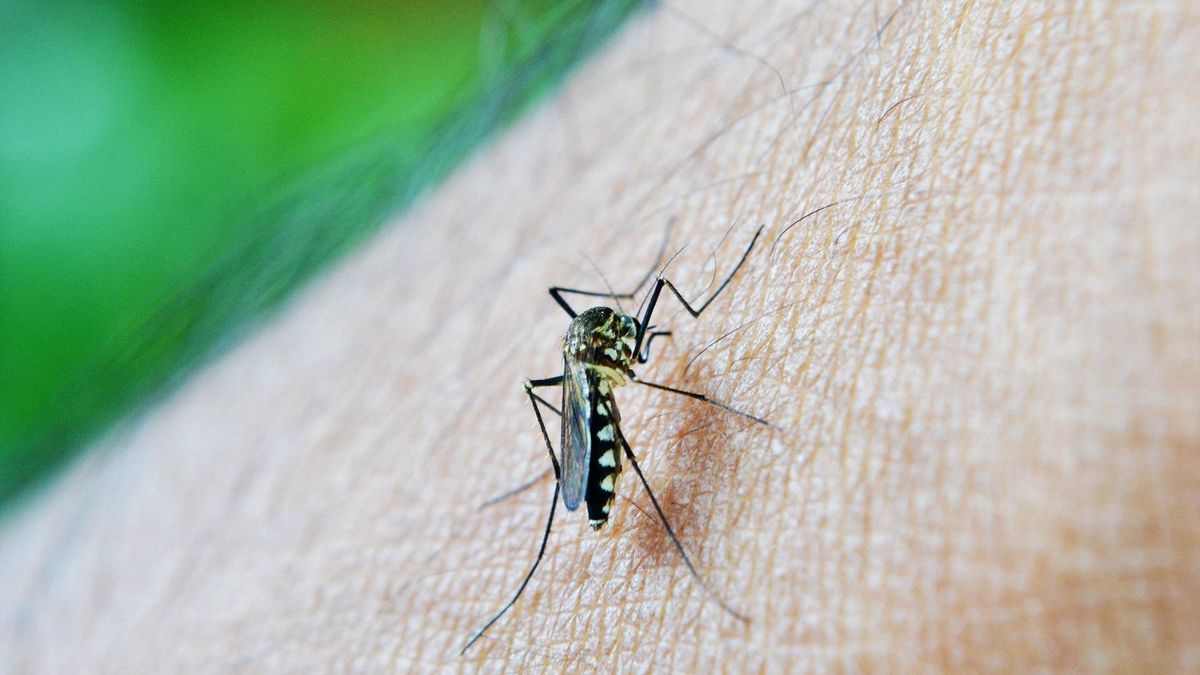
Biologists at Florida International University (FIU) have found that a person's attractiveness to blood-feeding insects depends on the specific mosquito species, debunking the myth that some people are universal targets, infohub.kz reports.
The results of a large-scale scientific experiment were published in the specialized journal iScience. The authors disproved the popular theory that certain people serve as a "universal bait" for all mosquitoes. None of the 119 volunteers attracted all three of the studied species at once — the ones that pose the greatest threat to human health.
During the tests, the scientists compared the responses of three dangerous disease vectors — the yellow fever mosquito (Aedes aegypti), the Asian tiger mosquito (Aedes albopictus) and the southern house mosquito (Culex quinquefasciatus), which spread dengue, Zika, West Nile fever and other dangerous infections. The team, led by graduate student Keiley Marrero and Professor Matthew DeGennaro, collected body odor samples and analyzed the skin microbiome of the participants, where more than a thousand volatile organic compounds are produced.
The insects' tastes turned out to differ significantly. The day-biting Aedes aegypti preferred people with a natural scent, free of perfume and with low levels of volatile compounds, favoring men. The Asian tiger mosquito chose skin with a high concentration of ketones and plant-type compounds. The night-biting Culex quinquefasciatus, in turn, responded to the bacterial balance: some families of microorganisms lured it, while others served as a natural shield.
Based on these findings, the scientists plan to develop targeted, species-specific repellents.