

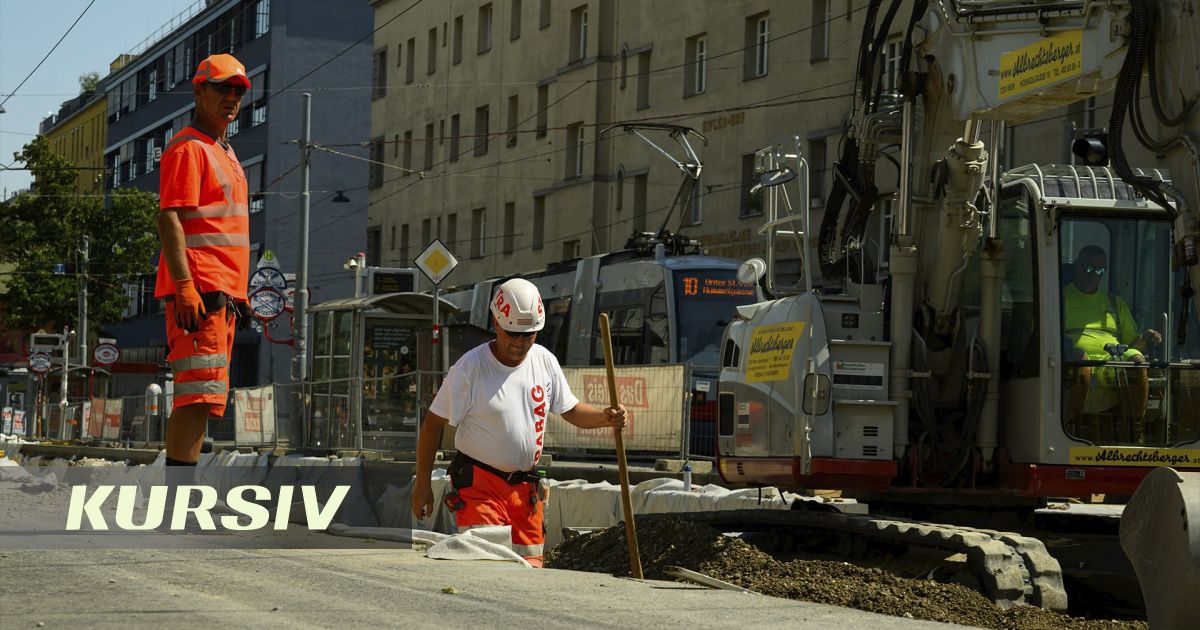
In Kazakhstan, extreme heat can be a legal ground for refusing to work if it threatens life or health. However, even in this case, it is necessary to notify the employer. This was reported by the website infohub.kz, citing the Ministry of Labor and Social Protection of the Population.
Kazakhstan's labor legislation does not provide for an automatic reduction of the working day, additional days off, or a switch to remote work due to abnormal weather. Nevertheless, under unfavorable climatic conditions, the employer has the right, in agreement with the employee, to change the work schedule or format.
Employees can also propose to management to adjust the schedule, set flexible working hours, or temporarily switch to remote work. "The final decision is made by the employer, taking into account production needs and the requirements of labor legislation," the ministry clarified.
At the same time, if working conditions pose a real threat, refusing to perform work cannot be considered a violation of labor discipline.
The Ministry of Labor also noted that the Labor Code does not specify exact temperature values at which the employer is obliged to reduce working hours or suspend the process. However, when performing work outdoors or in unheated premises, the employer is obliged to take measures to protect employees from high or low temperatures.
"Including organizing technological breaks for warming or cooling, providing employees with appropriate personal protective equipment, and if there is a threat to the life or health of employees, suspending work until the danger is eliminated," the ministry added.
If work cannot be performed due to circumstances beyond the control of the employer and employee, the time of forced downtime is paid as idle time. Its amount is determined by the labor or collective agreement, but cannot be lower than the minimum wage (MZP) — 85 thousand tenge.