

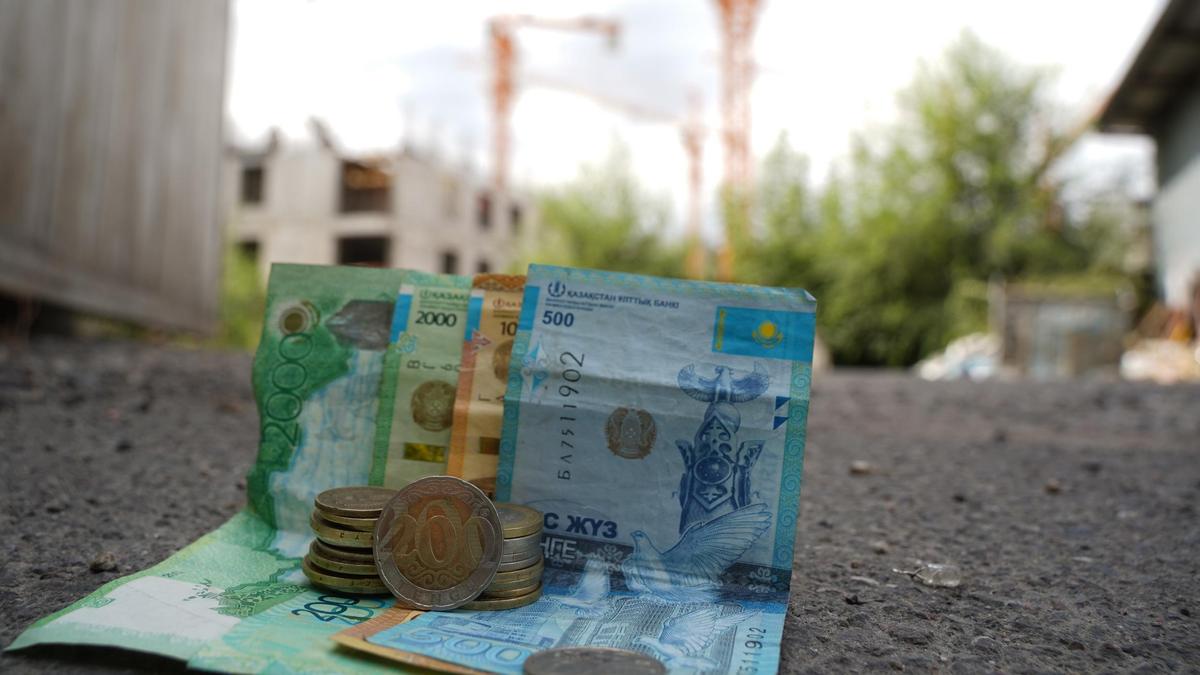
Between January and October 2026, Kazakhstanis completed 328,521 home purchase and sale transactions — 7.6% fewer than in the same period a year earlier. Sales have now fallen for four consecutive months: only 31,864 transactions were registered in October, immediately 22.8% below the October 2025 figure, the website infohub.kz reports.
The 2026 peak came in June, with 39,053 transactions. The market dynamics data come from the Bureau of National Statistics, while the analysis of the factors behind the cooling demand was prepared by the portal EnergyProm.
Experts identify several circumstances that affected the dynamics of the real estate market. One of the key ones is demand being pulled forward to the end of 2025. Some buyers purchased housing in advance amid the impending increase in value-added tax from 12% to 16% and changes to the tax rules for developers. In December 2025, the number of transactions reached 53,128 — the highest figure in several years. As a result, part of the demand that might have fallen in 2026 was realized earlier.
The second factor is the rise in the minimum sufficiency thresholds for pension savings. From June 5, 2026, they increased by 79%, and in some cases by more than twofold, depending on the depositor's age. This limited the ability to use pension surpluses to buy housing and repay mortgages. Whereas in May and June withdrawals exceeded 100 billion tenge a month, over the following three months they fell to 27 billion tenge.
The third reason is expensive mortgages. At the start of 2026, the base rate stood at 18% and remained at that level until June. Despite a subsequent cut to 15.75% in October, market mortgages remain expensive. In addition, changes in borrowing costs take effect gradually and with some delay: the base rate has come down, but the impact on loans becomes visible only after time.
The fourth factor is the reduced reach of the Nauryz program: the preferential selection was held only once during the year, so fewer participants were able to obtain housing under the program.
The fifth factor is the outpacing rise in housing prices. New-build prices rose at double-digit rates for 14 months in a row — from August 2025 to September 2026. At the same time, real incomes of the population grew by only 0.7% in the second quarter of 2026. This reduces housing affordability and limits the options available to potential buyers.
Finally, the sixth reason is the wait for more favorable terms. With expensive mortgages, high price growth and only slight income gains, many Kazakhstanis are simply waiting for better conditions for themselves. High deposit rates, which allow people to save up for a down payment, remain an additional factor.
However, an expert previously noted that the number of transactions does not point to a market decline, since the actual prices at which they are concluded indicate a stable situation.