

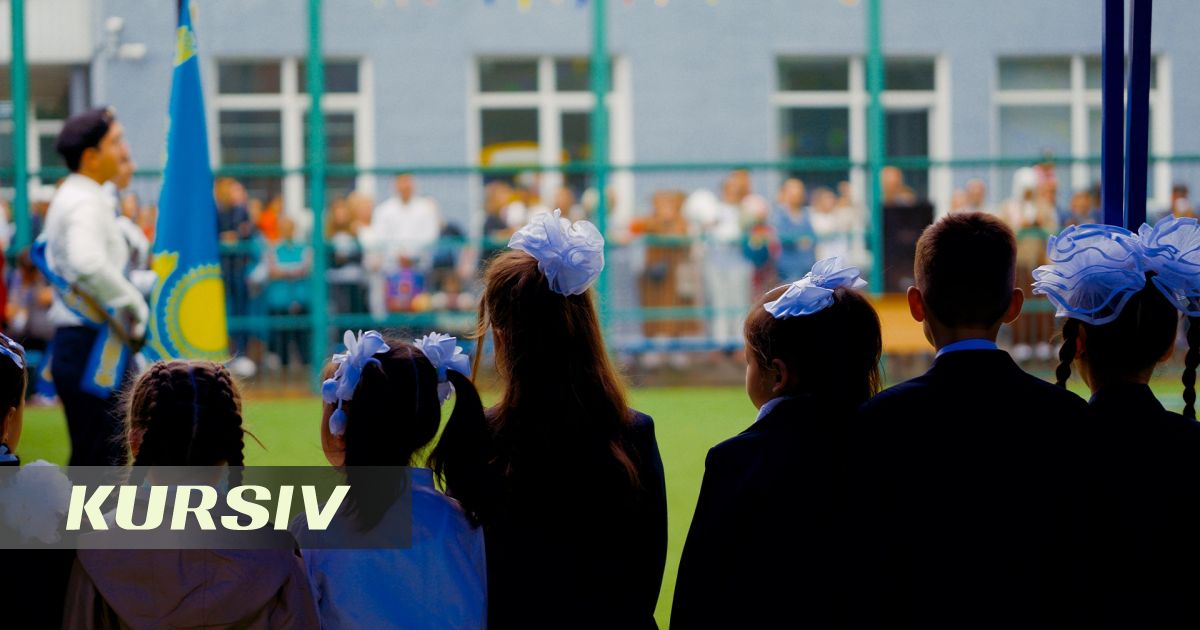
In Kazakhstan, parental involvement in children's school life is declining, while teachers are taking on an increasing burden. These conclusions follow from an analysis of data from the international PISA study, which Deputy Ashat Aimagambetov highlighted, reports infohub.kz.
According to the parliamentarian, in 2022, 68% of schoolchildren said their parents showed interest in their school activities at least once a week. By 2025, this figure had dropped to 54%. The share of children who regularly discuss school problems with their parents fell from 61% to 45%. A similar trend is observed in many countries, but in Kazakhstan the decline is particularly noticeable.
Against this backdrop, indicators of teacher support contrast sharply. The teacher support index in Kazakhstan was +0.65, compared to the OECD average of +0.03. According to students' responses in science classes, 85% say their teacher is interested in each student's progress, 86% say the teacher explains material until it is fully understood, and 88% say they receive additional help when needed. All these figures are significantly higher than the OECD averages.
"We see an interesting picture. Support for the child at home is declining, while the school and teacher, on the contrary, continue to take on a very large part of this burden," Aimagambetov emphasized. He noted that today the teacher's role goes far beyond simply explaining topics: the teacher supports the student, revisits difficult material, and prevents the student from falling behind.
The deputy also pointed out that PISA results cannot be viewed solely as an assessment of school performance—they also reflect the home environment. "The best results occur when school and family do not shift responsibility onto each other but support the child together," he concluded.
Earlier, Education Minister Zholdas Suleimenova commented on parents' complaints about school bans on dyeing hair, wearing makeup, and having manicures.