

Kyrgyzstan has banned the leasing of land plots in border areas to foreign citizens and companies, according to infohub.kz.
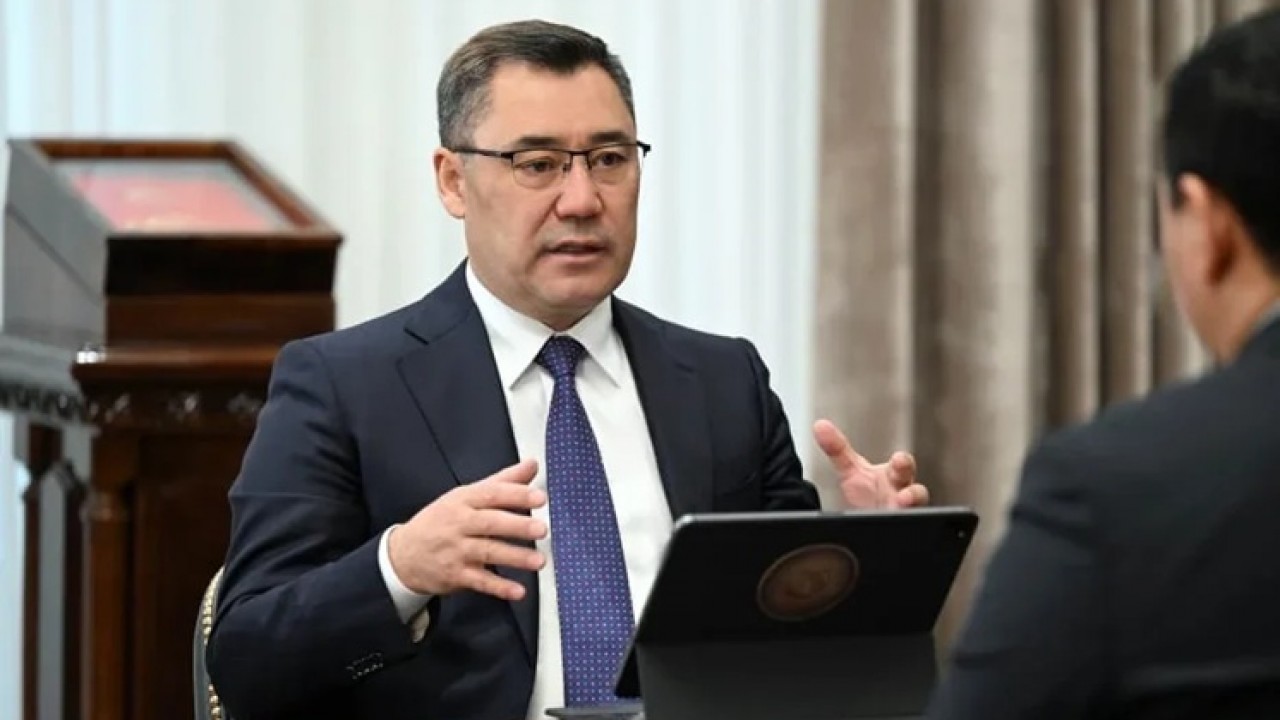
President Sadyr Japarov said in an interview with the Kabar news agency that border territories are under special state control due to their strategic importance for national security. Agricultural land will also not be provided to foreigners, either for ownership or lease.
"Land plots located in border areas will not be provided to foreign citizens or foreign legal entities. Such territories are under special state control due to their importance for national security. Second, agricultural land will also not be provided to foreign citizens. Agricultural land in Kyrgyzstan should be used primarily by domestic farmers and agricultural producers. Therefore, a mechanism is being introduced that excludes the provision of such land to foreign persons, both for ownership and lease," Japarov said.
Nevertheless, Kyrgyzstan will continue to attract foreign investment for projects that promote economic development: building factories, logistics centers, processing plants, and projects in energy, tourism, and infrastructure.
According to the president, the new rules will clearly distinguish between land available to investors under investment agreements and territories with a complete ban. This approach should create favorable conditions for investment while protecting national security and agricultural land.
Japarov also denied social media rumors that foreign investors would be allowed to lease land for up to 50 years. He stressed that no new norms for selling land to foreigners are being introduced. The long-term lease mechanism for investment projects has been in place in Kyrgyzstan for many years; recent changes to the Land Code aim to improve rules, strengthen control, and increase accountability for fulfilling obligations.
The president reminded that the law still prohibits foreigners from purchasing land — they can only temporarily use plots under lease agreements with mandatory rent payments. Authorities also plan to tighten requirements for investors to prevent cases where plots are leased but projects are postponed for years.