

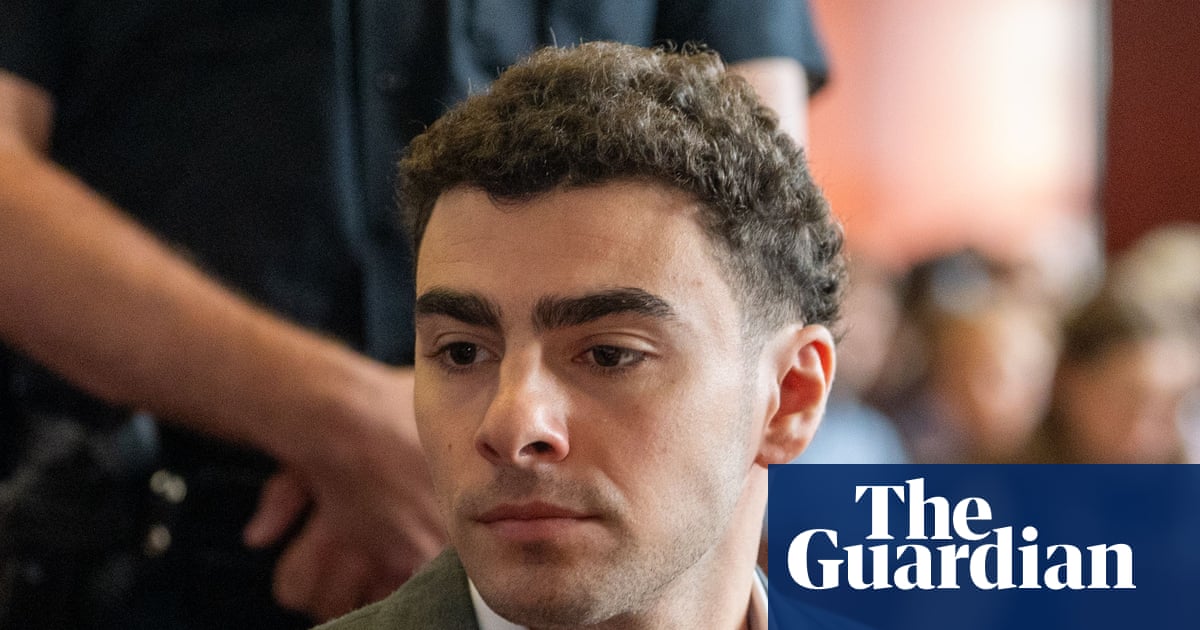
An unexpected hearing in the federal stalking case against Luigi Mangione has been scheduled, leading to speculation that the alleged United Healthcare CEO assassin was seeking a plea deal that would in turn end a murder prosecution in New York state court beginning next month, reports infohub.kz.
Prosecutors and Mangione’s lawyers filed a joint letter requesting the hearing at 11am on Friday in Manhattan federal court. Mangione has pleaded not guilty to state and federal charges in the killing of Brian Thompson on a midtown Manhattan street in December 2024.
Prosecutors and Mangione’s defense team did not immediately respond to request for comment on any plea discussion or its terms. Rumors have been circulating since late June when Mangione’s defense team met with federal prosecutors to discuss, it was widely understood, a plea deal in the federal case, set for trial early next year.
Days earlier, Mangione’s attorneys indicated plans for a psychiatric defense citing “extreme emotional disturbance” in a sealed letter to New York supreme court justice Gregory Carro but abruptly reversed course and withdrew it. At that time, New York prosecutors said that they were “aware of public reporting regarding the possibility of a guilty plea in defendant’s federal case” and were prepared to lobby federal prosecutors for a stiff sentence.
In a letter obtained by the Guardian, state prosecutors said “a proposed federal guilty plea would operate to defeat a just outcome in the state prosecution, the People could advise the federal district court of that consequence, and the court should consider that fact in deciding whether to accept the plea, as well as any opposition by the victim’s family to such a resolution.”
The latest twist comes a day after a hearing in state court cleared the way for Mangione’s murder trial to begin on 8 September. The trial judge ordered that jurors in the case would remain anonymous and there would be an additional overflow courtroom. Mangione’s court appearances have been mobbed by supporters, some of whom have been issued press passes, complicating the work of court officials to maintain public and press access.