

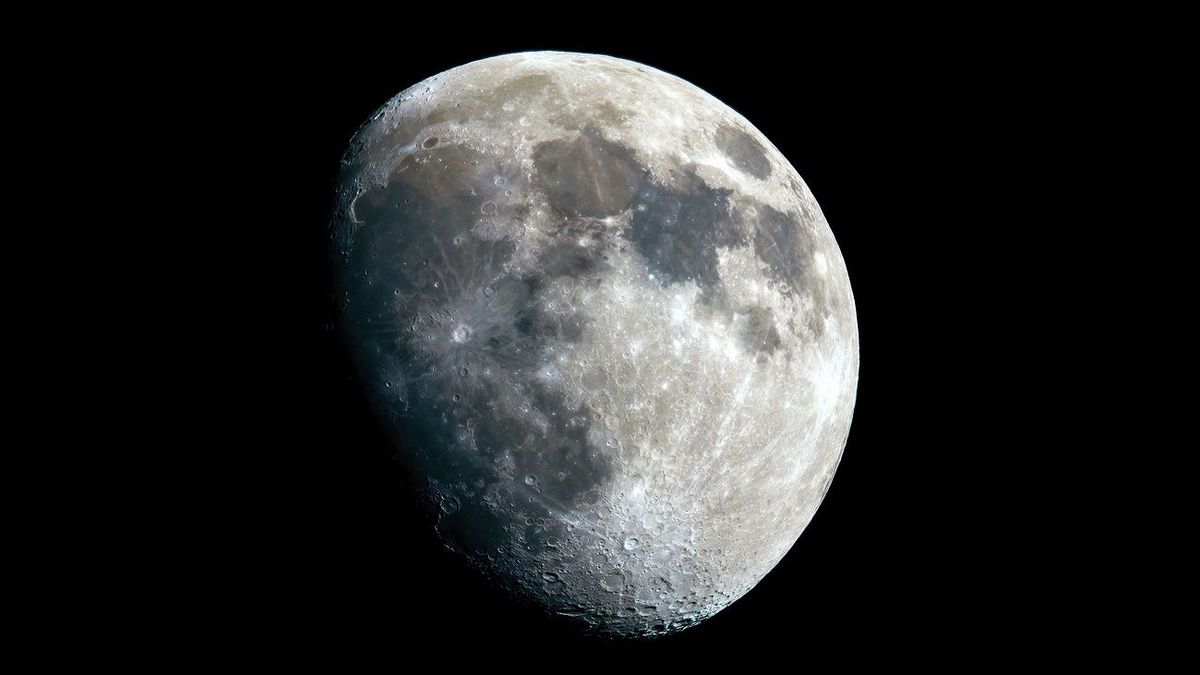
Scientists have obtained new evidence that the Moon once had its own magnetic field in the distant past by studying soil samples from the far side of Earth's satellite, infohub.kz reports.
According to Phys.org, researchers analyzed lunar rock samples brought to Earth as part of a space mission. The analysis showed that billions of years ago, our planet's satellite had an active liquid core that generated a protective magnetic field similar to Earth's. This discovery helps to better understand how the Moon formed and evolved in the earliest stages of its existence.
For a long time, astronomers debated how long the Moon retained its magnetic protection and exactly how it faded. The new data confirm that in ancient times, magnetic forces were strong enough to influence the formation of local rock. The internal processes in the satellite's interior turned out to be far more complex and dynamic than previously thought.
The results of this study are important for future space programs. Understanding the history of lunar magnetism will help scientists more accurately plan long-term expeditions and the search for useful resources, and will also shed light on the evolution of other small planets and satellites in the Solar System.