

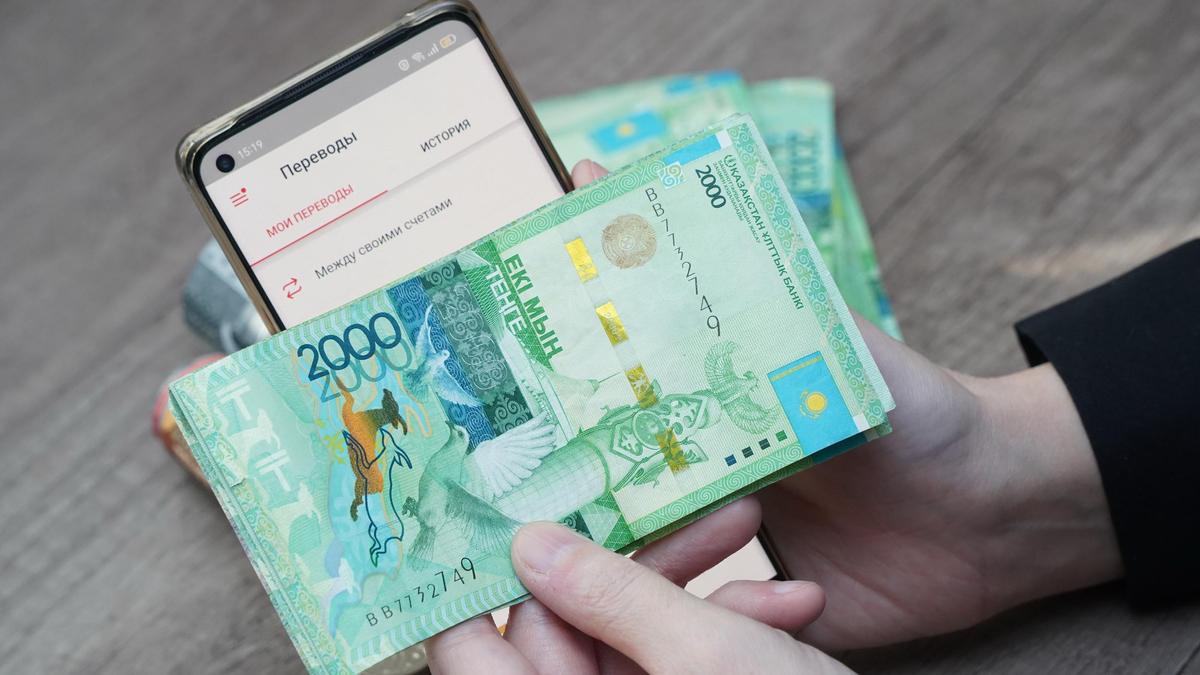
Mobile transfers between Kazakhstanis for personal purposes remain legal and tax-free, but the picture changes when the money is used for business purposes. As the State Revenue Department of the Mangystau Region reminded, for transfers to be recognized as income they must meet several criteria at once, the website infohub.kz reports.
For mobile transfers to come under the tax authorities' scrutiny, they must have three features at the same time: they must arrive in the account or accounts of a single individual; they must come from 100 different people within a month — and for three months in a row; and their total over those three months must exceed 12 minimum wages, that is, 1,020,000 tenge in 2026.
Ordinary Kazakhstanis who frequently receive mobile money transfers for personal purposes usually do not fall under such checks. Helping relatives, a birthday or wedding gift, repayment of a debt, a collection for school needs, or reimbursement of shared expenses are considered personal transfers that hold no interest for the tax authorities. The regularity of such transfers is not in itself grounds for scrutiny.
Only income that an individual must declare on their own is subject to declaration. Personal transfers, gifts and help from relatives do not fall into that category, and therefore do not need to be declared.
If mobile transfers are deemed suspicious, banks pass information about them to the tax authorities. However, the transfer of such data does not mean a tax or fine is automatically imposed. The tax office first sends the citizen a notification, and they have 30 working days to explain the origin of the funds.
In cases where the transfers really were income from business activity, everything must be formalized in accordance with the law: report the income, pay the tax and social contributions, or register as an individual entrepreneur or self-employed person.
If a person systematically receives money for goods, work or services, such transfers will be recognized as income from business activity. In that case, they must start operating officially: accept payments only into accounts intended for business activity and formalize them in accordance with the law. Otherwise, the violator may be held administratively liable.