

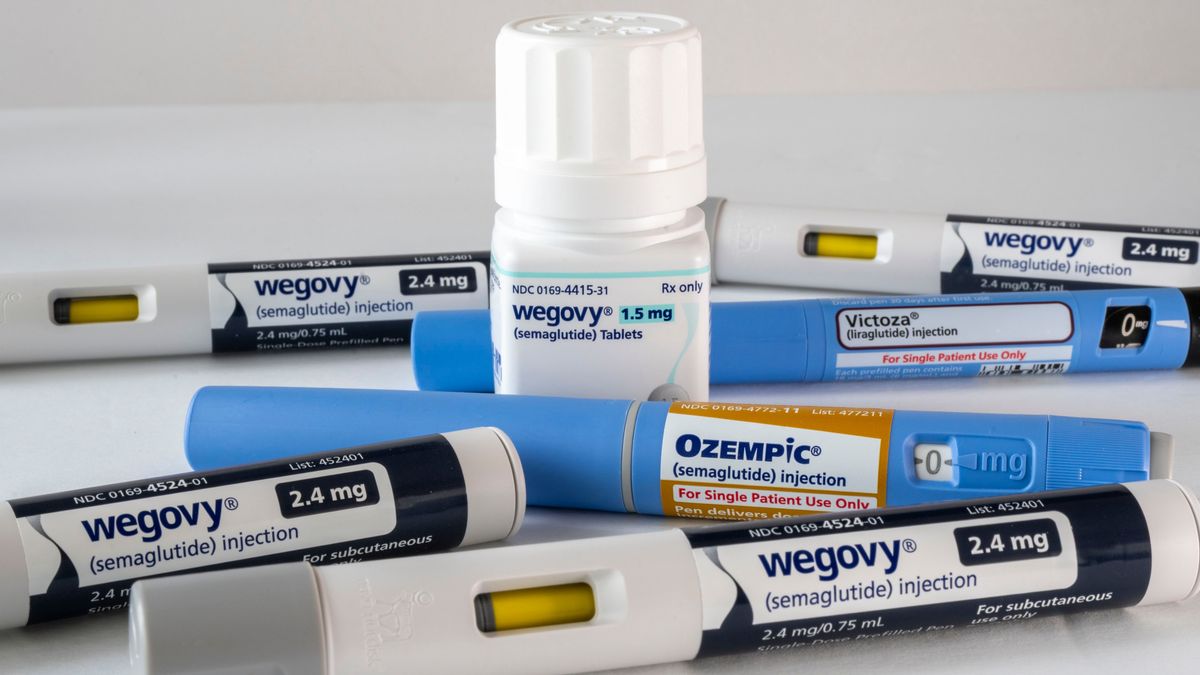
Drugs originally developed to treat type 2 diabetes and obesity are increasingly being viewed as a potential weapon against addictive disorders: a review of scientific evidence on the neurobiological mechanisms by which glucagon-like peptide-1 (GLP-1) receptor agonists affect cravings for alcohol and drugs has been published by News Medical, infohub.kz reports.
The focus is on GLP-1 receptor agonists such as semaglutide and liraglutide. They were initially designed to treat type 2 diabetes and obesity, but have also shown potential in combating addictive disorders.
The review found that GLP-1 receptors are present not only in the gut and pancreas but also in the mesocorticolimbic structures of the brain that govern the reward system, including the ventral tegmental area and the nucleus accumbens.
Activation of central GLP-1 receptors reduces dopamine release in response to familiar stimuli, blunting the pleasure derived from taking psychoactive substances. Preclinical animal studies have confirmed the drugs' ability to reduce consumption of alcohol, nicotine, opioids and stimulants, as well as to prevent relapses. Patient observations and early clinical trials also point to reduced cravings for alcohol and tobacco among people taking these medications.
Despite the encouraging results, experts stress that GLP-1 drugs have not yet been approved by regulators for the official treatment of addiction and should not replace proven therapies. The scientists say large-scale randomized clinical trials are needed to accurately assess the efficacy and safety of neurometabolic modulators in treating addictions.
Important information: this material is for informational purposes only and is not a guide to action. Drugs based on semaglutide and other glucagon-like peptide-1 (GLP-1) receptor agonists are serious prescription medicines with a wide range of contraindications and side effects. Using these medications without a specialist's prescription can cause serious harm to your health. Always consult a qualified physician before starting any treatment or taking any medication.