

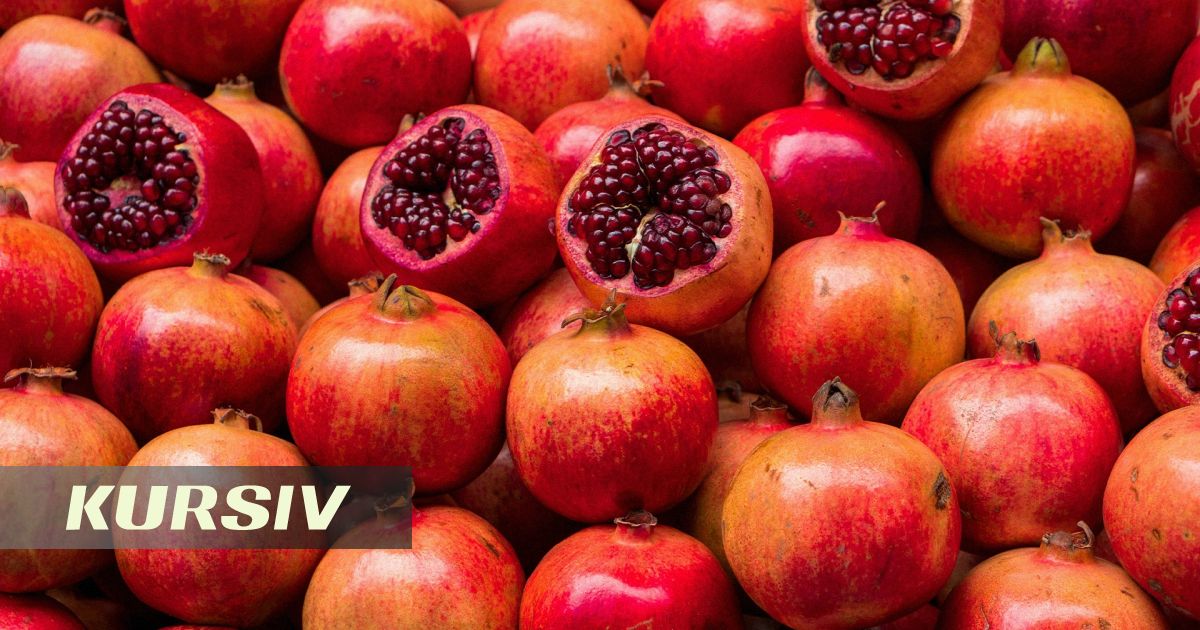
Scientists at King's College London have discovered that urolithin A — a compound produced by the body after eating pomegranates and walnuts — improves heart function by up to 80% in one form of heart failure, reports infohub.kz.
According to the study results published in the journal Science Advances, this finding could offer hope to people suffering from heart failure with preserved ejection fraction.
It is noted that despite the growing prevalence of this disease, effective treatments are relatively few. The condition is difficult to treat because it is caused by multiple factors, including aging, high blood pressure, and diabetes.
The researchers found that urolithin A activates a protein called PKGlα, which plays an important role in both blood vessel function and relaxation of the heart muscle. It targets a specific amino acid in this protein, activating a signaling pathway that leads to beneficial effects on the cardiovascular system.
Animals given urolithin A showed improvements in heart function parameters of up to 80% compared with animals that did not receive it.
A laboratory experiment showed that urolithin A enhances the ability of heart tissue to relax and reduces scarring, also known as fibrosis, compared with the control group. The compound also reduces the enlargement of heart muscle cells, helping to preserve normal cell function.
The researchers also tested urolithin A on artificially engineered heart tissue derived from human stem cells. It was found that urolithin A significantly improved tissue relaxation in these cells. This suggests that the results may be applicable to human heart function.
The scientists emphasize that further research is needed before these findings can be translated into patient treatments.
"Of course, there is not yet enough evidence to say that people should eat pomegranates to treat heart failure. However, our study results suggest that dietary approaches that boost urolithin A production may help alleviate this condition," stressed the study's lead author, Joseph Burgoyne.
According to him, despite the positive results in animals and artificial human tissue, clinical trials involving humans are now needed to test whether this approach is effective for patients.
Earlier, cardiologist Karlygash Khakhazova spoke about what helps the heart stay healthy.