

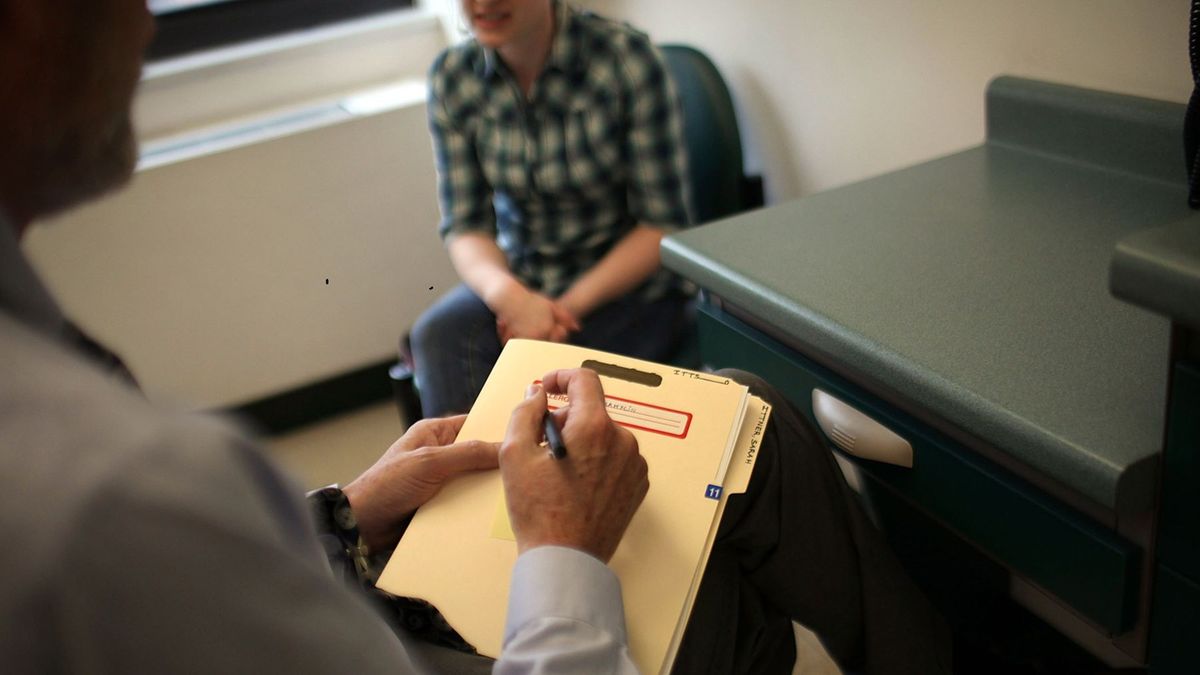
Why do victims of traumatic events often give confused testimonies and behave in ways that surprise those around them? Psychologists say that trauma alters brain function, distorting memory and triggering reactions that can be easily misinterpreted, reports infohub.kz.
According to the World Health Organization, about 70% of people worldwide experience traumatic events. Yet victims' accounts often raise doubts among lawyers, journalists, and loved ones due to contradictory details. Psychologists explain that during trauma, the amygdala, which handles emotions, becomes overloaded, and the hippocampus cannot form a coherent narrative. As a result, memories are stored as disjointed fragments, smells, and emotions. A person may relive the event as if it were happening right now.
In addition to the classic "fight or flight" responses, people often exhibit a freeze response or "fawn" response, where the victim outwardly appears calm and submits to the aggressor to reduce the threat. Others may mistakenly interpret such behavior as lying, although the rate of false accusations is only 2% to 10%. Experts call for a trauma-informed approach to increase empathy and support people in their recovery.