

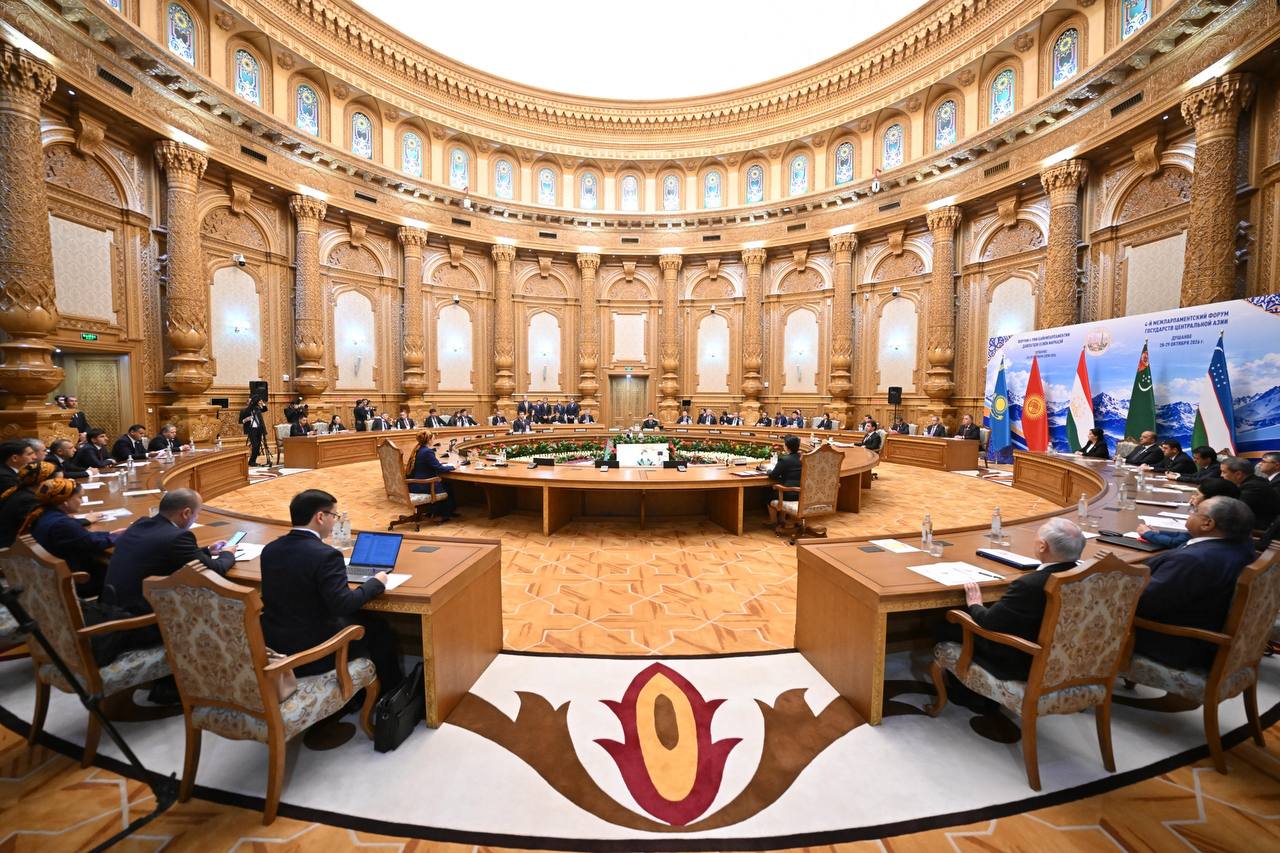
A delegation led by Qurultai Chairman Aibek Dadebai attended the IV Interparliamentary Forum of Central Asian States held in Dushanbe on October 29, infohub.kz reports.
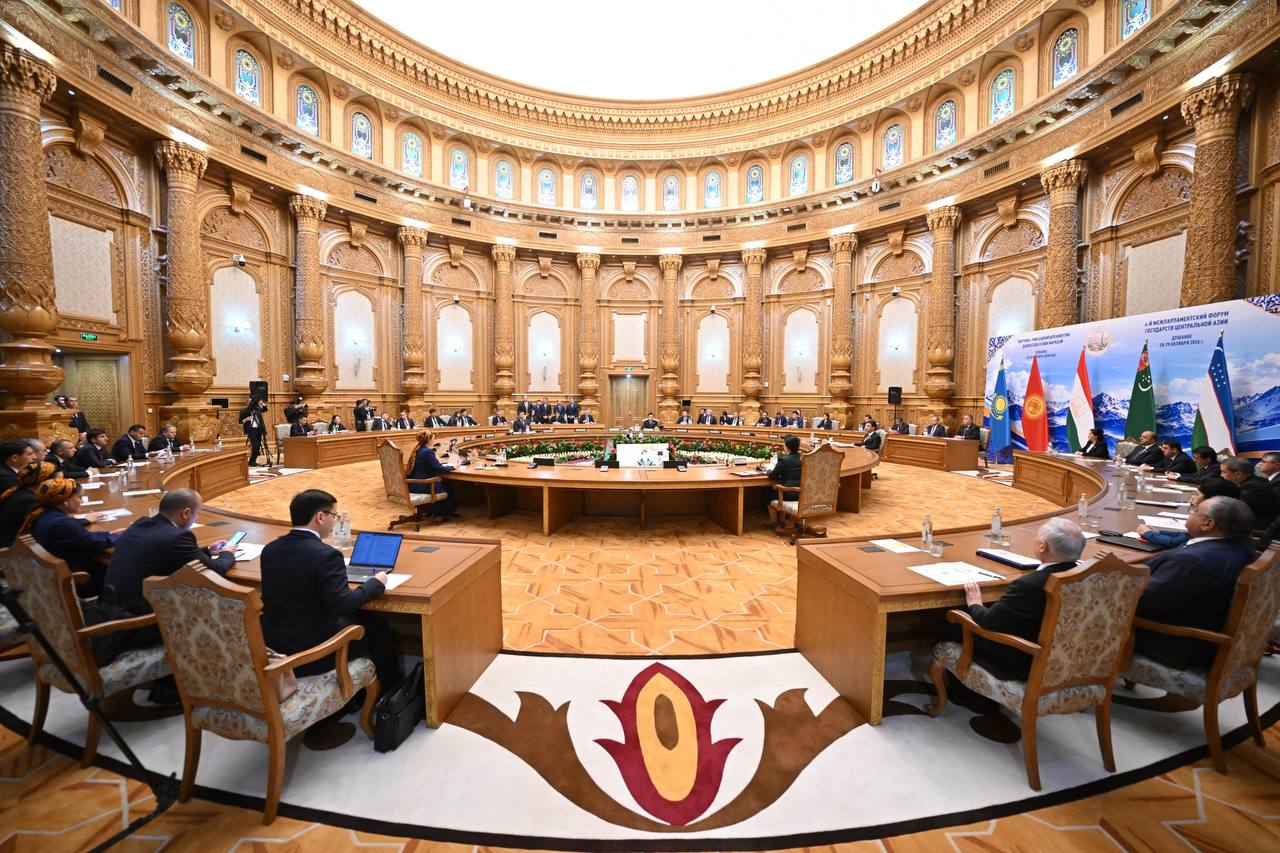
The gathering, held under the theme "Unity on the Path to Peace, Security and Prosperity in Central Asia," brought together representatives of the parliaments of Kazakhstan, Kyrgyzstan, Tajikistan, Turkmenistan and Uzbekistan.
In his address to the forum participants, the speaker outlined the large-scale political and socioeconomic changes being carried out in Kazakhstan at the initiative of President Qasym-Jomart Toqaev. He drew attention to the adoption of the new Constitution and presented the main directions for building a Just, Progressive and Powerful Kazakhstan based on the principle of "Law and Order," unity and harmony. Over the past seven years, as a result of the head of state's reforms, the country's economy has grown by 30 percent, and GDP per capita has exceeded $15,000.
He also highlighted the importance of the President's address to the people of Kazakhstan delivered the previous day. That document sets the task of carrying out large-scale construction work in various sectors of the country. These initiatives will modernize the country and open the way to new opportunities for Kazakhstanis. In particular, they envisage building new roads, airports, railway stations and hospitals, digitalizing agriculture, transport and water use, and fundamentally modernizing the energy sector.
According to the Qurultai Chairman, these initiatives of the head of state will not only give a fresh impetus to Kazakhstan's development but also open additional opportunities for economic growth and stronger cooperation across the entire Central Asian region.
At the meeting, Aibek Dadebai said the forum would pave the way for a new stage of regional parliamentary cooperation. In his view, the international gathering is aimed at strengthening regional stability and turning Central Asia into a space of sustainable peace and shared development.
"Today we are discussing regional, water and environmental security and the deepening of economic integration. All of this is extremely important for the sustainable development of the Central Asian region. I believe we must respond to current challenges only by joining the efforts of our parliaments, coordinating legislative work and forming common positions. Parliamentary diplomacy must be aimed at concrete results," the Qurultai Chairman said.
He also said that, at the initiative of the heads of state, the process of ratifying the treaty on friendship, good-neighborliness and cooperation aimed at developing Central Asia in the 21st century has begun. In addition, he reported that platforms such as the Interparliamentary Forum, the Dialogue of Women Leaders of Central Asian Countries and Azerbaijan, and the Dialogue on Regional Security and Cooperation are operating successfully.
During the discussion, the Kazakh delegation put forward a number of proposals to enhance the practical role of parliaments in ensuring peace and security in the region and supporting sustainable development.
In particular, the importance of preserving Central Asia's status as a nuclear-weapon-free zone was noted, as was the relevance of the initiative to establish an International Agency for Biological Safety.
The issue of migration control was also discussed, and it was noted that Kazakhstan is constantly improving legislation in this area and is ready to share its experience with other countries in the region.
In the area of economic and digital integration, the exchange of legislative experience in e-commerce, electronic customs administration, investment, transport and industrial cooperation was proposed. Removing legal barriers in this area will open the way for developing the business environment. According to the Qurultai Chairman, such joint steps will create the conditions needed to implement the Kazakh President's initiative to bring intraregional trade to $20 billion.
Water and climate security was one of the forum's main topics. Qurultai deputies drew their colleagues' attention to the need to accelerate work on adopting the Framework Convention on Water Use.