

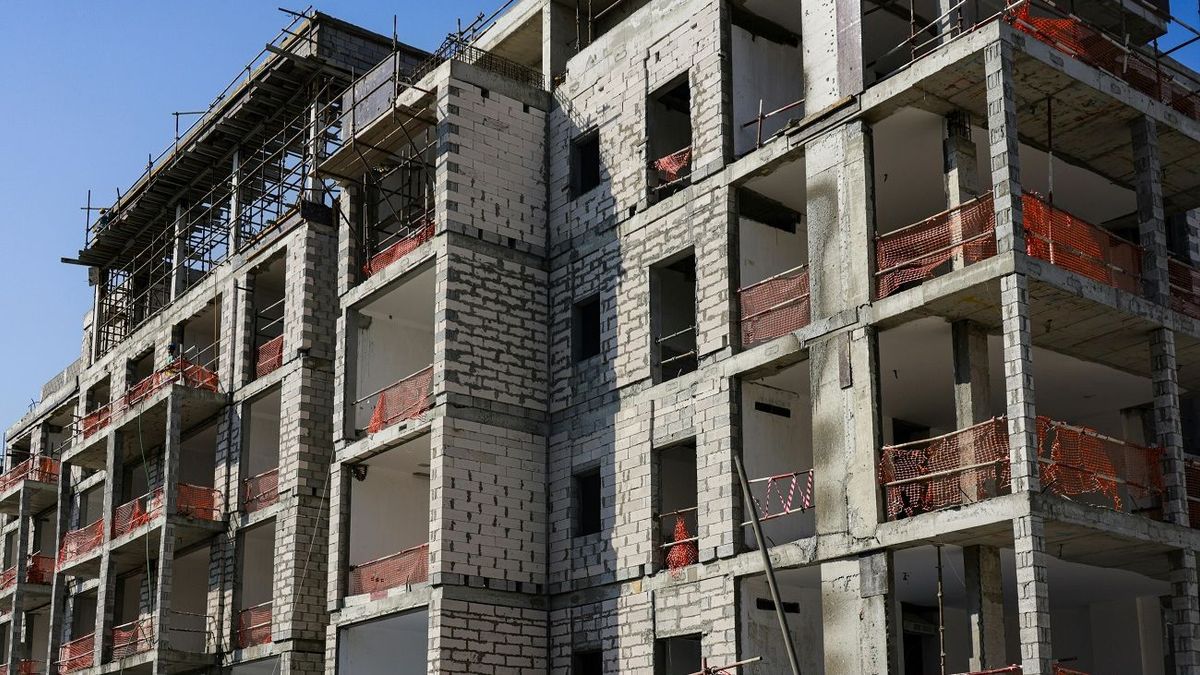
A large-scale program called "People's Construction," initiated by Kazakh President Qasym-Jomart Toqaev, has drawn the attention of foreign media. The European outlet EU Reporter devoted a separate article to it, examining the republic's plans for social infrastructure development, the economic results achieved and international experience with public investment, infohub.kz reports.
The program spans three years. Some 6.5 trillion tenge from the National Fund is to be allocated to building schools, hospitals, clinics, sports facilities, roads and bridges. The scale of the investment is driven in part by demographic growth: over the past seven years Kazakhstan's population has grown by more than two million people. That increases demand for new educational and medical facilities, especially in areas undergoing active development.
The new program continues state investment in the social sector. Over the past seven years about 88 trillion tenge has been allocated for these purposes, including 33.2 trillion tenge for education and 15.5 trillion tenge for healthcare. Schools, kindergartens and medical facilities have been built in cities and rural communities. The first phase of "People's Construction" has already begun: projects worth a total of 1.5 trillion tenge have been approved, covering healthcare, education, culture, sports and transport infrastructure.
Kazakhstan's achievements are also reflected in international assessments. According to the United Nations Development Programme's 2025 report, the country ranks 60th among 193 countries and territories with a Human Development Index of 0.837, ahead of all Central Asian states on this measure. UNDP Resident Representative Katarzyna Wawiernia has noted Kazakhstan's progress in raising living standards, developing human potential and advancing digitalization.
The article also examines international experience in using sovereign savings. In Norway, a fiscal rule allows spending within the expected real return of the sovereign fund; the current guideline is 3%. Another example involves Kazakhstan: economist Terence Ho, writing in Singapore's The Straits Times, looked at a children's savings account program as a way of investing national income in the future of the younger generation.
The country's economic potential is also reflected in the material. According to World Bank data, gross domestic product per capita in 2025 stood at $14,700, significantly exceeding that of neighboring countries. According to the International Monetary Fund's October forecast (World Economic Outlook, 2026), GDP this year will reach $398 billion, while GDP per capita will exceed $19,000. Such dynamics create considerable room for long-term infrastructure investment.
As the foreign publication notes, Kazakhstan's experience is of interest to states seeking to use national savings for long-term development. The "People's Construction" program provides for the creation of social and infrastructure facilities that will serve the population for decades. Such an approach allows financial resources to be directed toward improving access to education and healthcare and improving living conditions for future generations.