

Kazakhstan shoppers may soon face a sharp rise in prices due to the fuel crisis in Russia, which has paralyzed logistics. The era of discounts is fading: even large hypermarkets are removing promotional price tags, and advertising flyers have become thinner, reports infohub.kz.
A price tsunami is poised to hit other sectors as well. Managers at car dealerships, sellers in furniture showrooms, consultants in electronics stores, and even jewelers are warning customers: "Buy now. It will be more expensive soon."
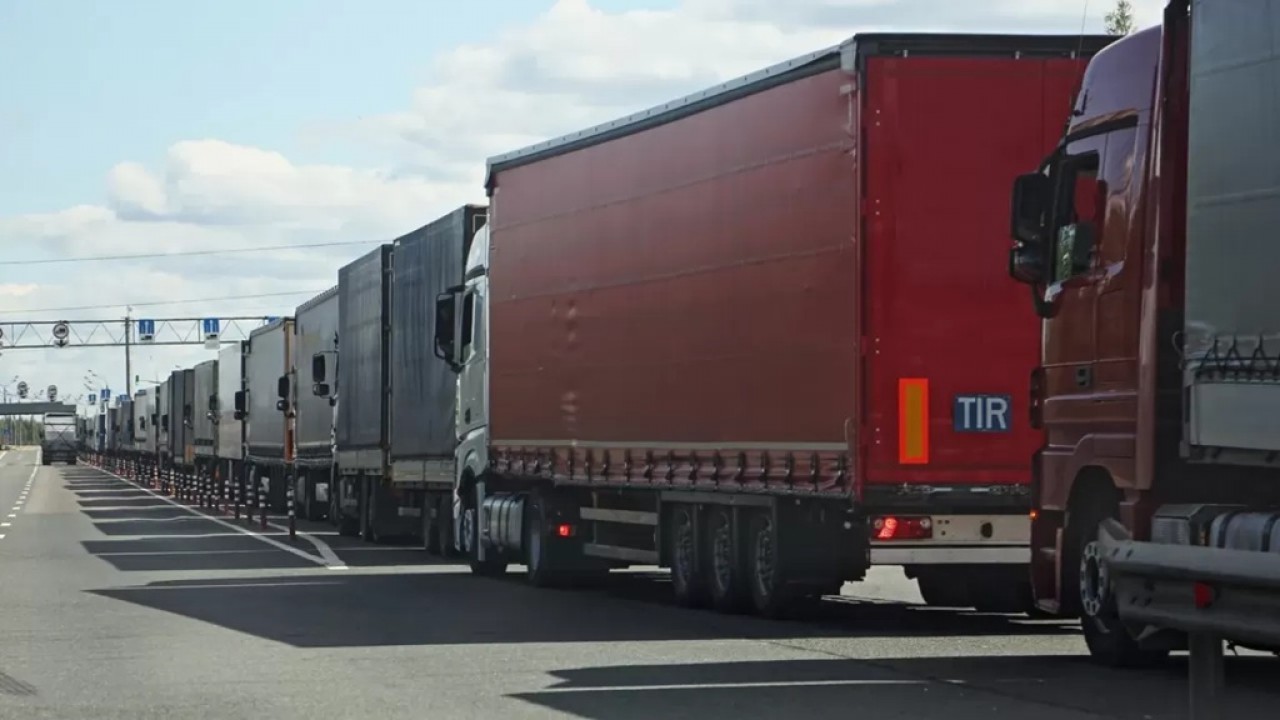
The root cause is the fuel crisis in Russia, which has caused a transport paralysis. Transit routes, through which up to 80–90% of imports reach Kazakhstan, have been blocked. Trucks are idling for days in lines at Russian filling stations. "Previously, logistics worked like clockwork, and we could give an exact arrival date. Trucks from Europe and Asia would cross Russia to Astana in 5–8 days, and to Almaty in 7–10 days. Now that system is essentially broken. Delivery times have stretched to three to four weeks. Vehicles literally live on Russian highways and at gas stations," explains Kamil Sabirov, manager of a Russian-Kazakh logistics company.
The situation is exacerbated by strikes on Russian warehouses. On Saturday night, Ukraine launched a series of long-range strikes on central regions of Russia, hitting two Wildberries warehouses — in the Tambov region and Elektrostal near Moscow. Ukrainian President Volodymyr Zelensky stated that these facilities were used for military supplies and drone component production. In Kotovsk, Tambov region, 7 people were killed and 25 injured; in Elektrostal, one person died and 37 were injured.
Experts at the freight exchange ATI.SU warn of an inflationary explosion in Russia. "Operationally, transport companies are currently earning nothing. Potential profit is only on the horizon... But soon the rules of the game will change. There are too many factors raising carriers' costs and complicating their work," explains Mikhail Ustyuzhanin, founder and director of transport company LeaderTrans. The main destabilizer is the fuel shock: discounts on fuel via fuel cards, which previously reached 15–20%, have been canceled, and in some cases additional surcharges have been introduced. According to Rosstat, the official price of diesel has risen 15% since the start of the year, but for transport companies, the increase in fuel costs has reached 35–40%. Meanwhile, cargo owners have not yet indexed tariffs, shifting the costs onto logistics providers.
Disruptions in fuel supply at gas stations force drivers to wait in line for 2–6 hours. Many carriers are parking their trucks or switching to short routes, reducing the available fleet. On some routes, spot rates are already rising, but in the long-term contract segment, cargo owners are stalling. Experts forecast a market imbalance: carriers will start massively shifting to profitable routes, leaving transit to Kazakhstan exposed. "Banks are losing confidence in the transport sector, hopes of a key rate cut are fading. Business models are under stress. Carriers that have already resorted to loan restructuring may be the first to lose their equipment," predicts Ustyuzhanin. Keeping tariffs at the previous level is impossible — clients will have to face a twofold increase in logistics costs.
Sellers on marketplaces are losing money and forced to raise prices. Since July 7, Wildberries has increased commissions for sellers, and since July 9, transport costs between warehouses have risen due to the fuel crisis. Businessman Andrei Kurilovich: "The changes have been so painful that we have considered completely stopping work on Wildberries for the first time since 2024. Even with price increases, we can only recover half the costs." Cosmetics brand VEVE Professional announced: "To survive, we are forced to raise prices. Wildberries is raising commissions again, and we have to give the platform over 60% just in commissions... No more discounts are expected — only price increases ahead." Entrepreneur Stanislav Zatsepin noted that the margin on building materials trade has turned negative: the platform commission under the DBS model soared from 20% to 45%, and total costs rose to 70%.
According to RBC, over 1.5 months (end of May to mid-July), freight costs within Russia rose by 20%, and on an annual basis by 28.8% (Forbes). On key routes, rates have more than doubled (Vedomosti). The main trigger is the fuel crisis: fuel accounts for 30% of a trip's cost, and shortages increase travel time. Freedom Global analyst Vladimir Chernov: "Transport costs are baked into the price of almost any product. Rising fuel is a powerful pro-inflationary factor that will affect the prices of food, building materials, and electronics." Independent journalist Dmitry Kolezev believes the most dangerous stage of the crisis is only beginning. The average daily mileage of a truck on the Asian leg has fallen from 700 to 500 km, transit time has increased by 23% to 10–12 days. Drivers are massively refusing trips for fear of fines.
The price increase will inevitably hit consumer demand. According to business, recovering from this crisis will take a long time.