May 30, 2026
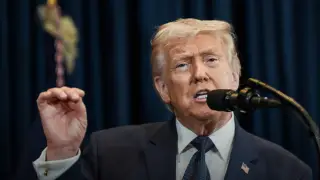
US President Donald Trump has outlined strict demands for Iran, including the complete abandonment of nuclear weapons and the immediate reopening of the Strait of Hormuz.
May 29, 2026
Belarusian President Alexander Lukashenko urges the Eurasian Economic Union to refocus on its founding principles and implement joint industrial projects to enhance effectiveness.
May 28, 2026
Russia is implementing import restrictions within the EAEU, citing the need to protect its domestic entrepreneurs and ensure product safety and quality for consumers.
May 28, 2026
US forces targeted a military facility in Iran's Bandar Abbas port following an Iranian drone attack on a commercial vessel.
May 28, 2026
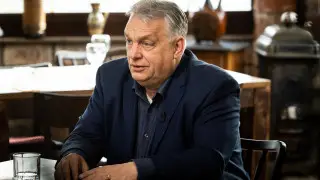
Hungary's parliament has halted the process of withdrawing from the International Criminal Court, a move initiated by the former government.
May 27, 2026
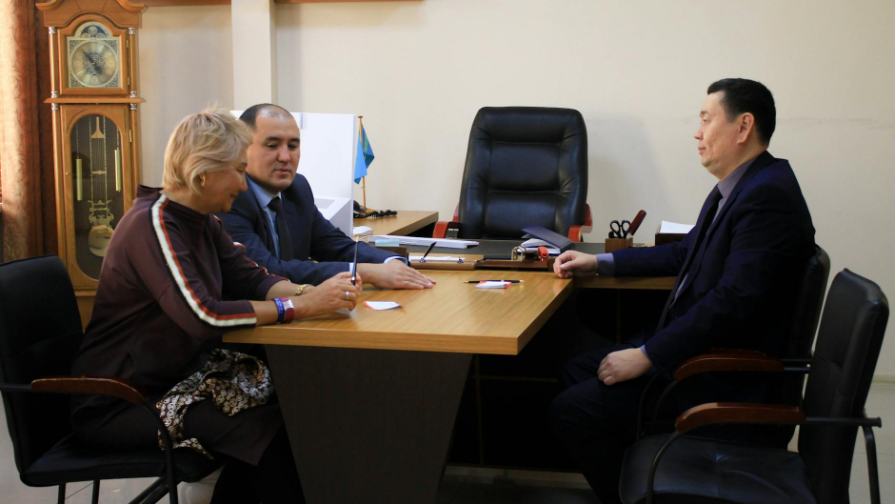
Russian President Vladimir Putin outlines the significance of his upcoming state visit to Kazakhstan, emphasizing strategic partnership and economic collaboration.
May 26, 2026
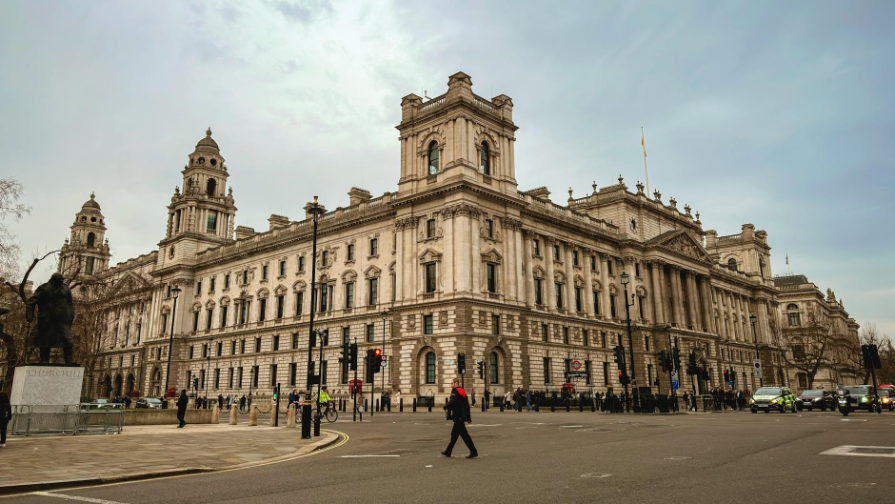
A Royal Air Force jet carrying UK Defence Secretary Grant Shapps experienced a GPS signal loss near the Russian border, forcing the crew to switch navigation systems.

May 26, 2026
The U.S. military conducted strikes against Iranian targets near the Strait of Hormuz, despite a recently established temporary truce. Details emerge on the defensive nature of the operation.
May 25, 2026
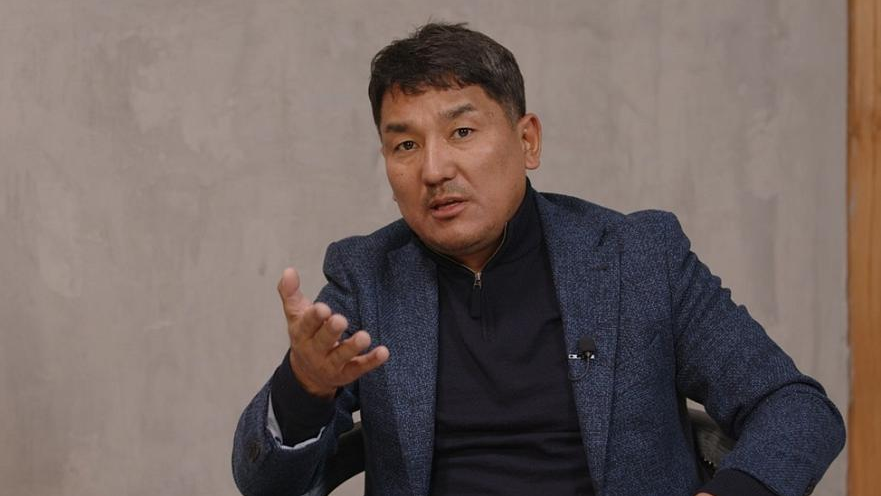
Kazakhstan's Prosecutor General's Office has altered the status of official media requests, potentially limiting access to information and extending response deadlines.
May 25, 2026
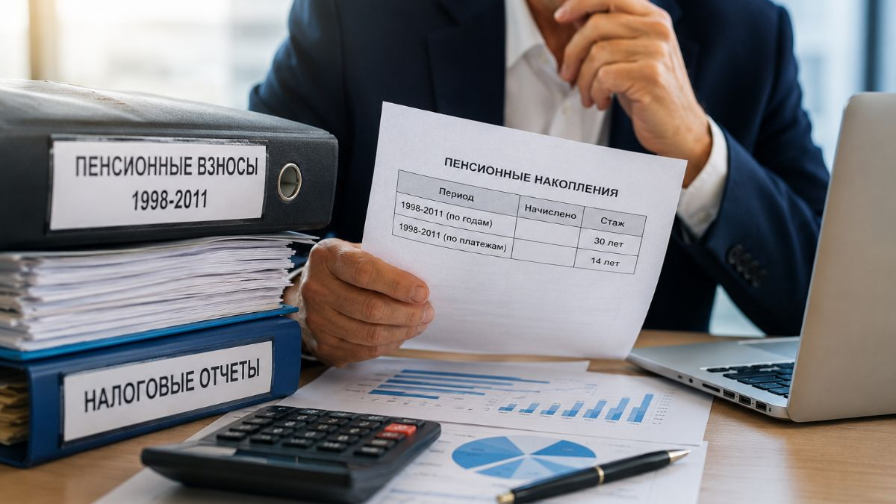
Thousands of entrepreneurs face reduced pensions due to outdated banking systems. The Ak Zhol party is calling for urgent reforms to correct pension calculations and support struggling businesses.
May 25, 2026
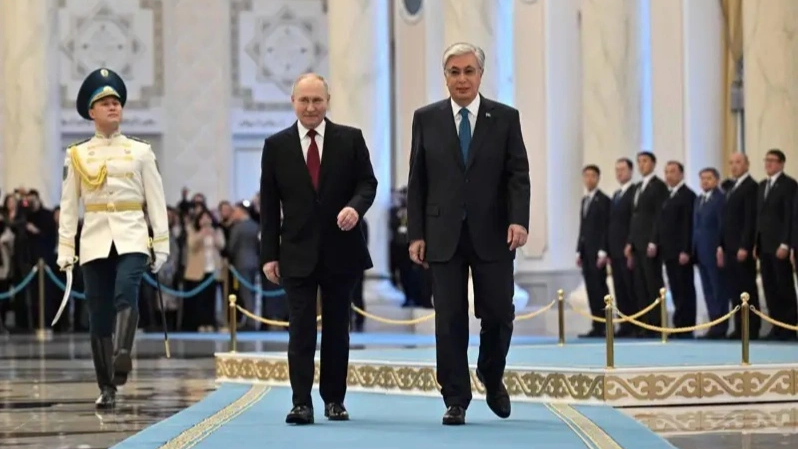
Russian President Vladimir Putin will undertake a state visit to Kazakhstan from May 27-29 to discuss strengthening strategic partnership and regional cooperation.
May 25, 2026
Global oil prices saw a significant drop as reports emerged of progress in US-Iran negotiations, with Brent crude falling to $98.49 per barrel.

May 25, 2026
US President Donald Trump stated that sanctions against Iran will remain in place until a new nuclear deal is finalized, emphasizing that Tehran cannot develop nuclear weapons.
May 25, 2026
Moldova is pushing for EU membership and demanding the withdrawal of Russian troops from Transnistria, facing Moscow's pressure but remaining steadfast.
May 25, 2026
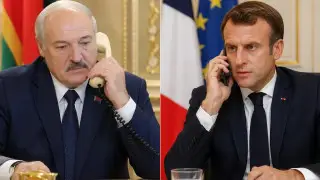
French President Emmanuel Macron spoke with Belarusian President Alexander Lukashenko, urging him to refrain from escalating the conflict in Ukraine.
May 24, 2026
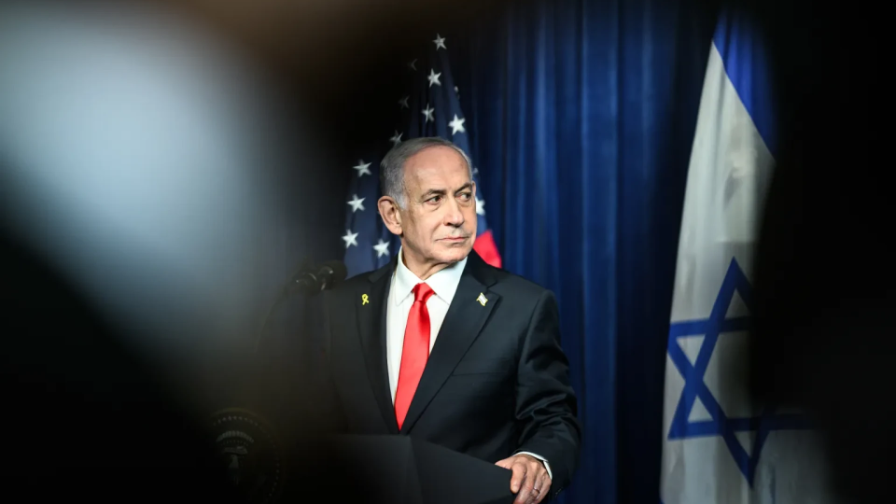
A political analyst examines the US-Iran negotiations and a key demand that could elevate Iran's regional influence, potentially altering the geopolitical landscape.
May 24, 2026
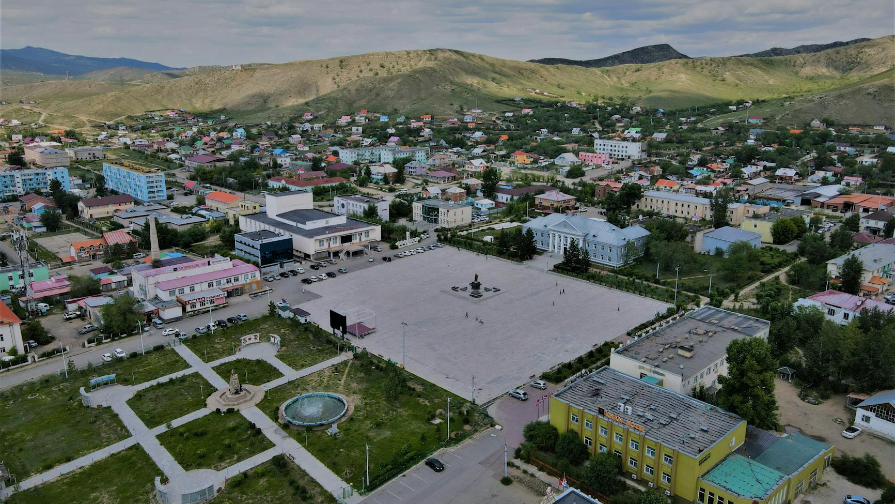
Discover how to prepare okroshka, a popular summer soup, to be both delicious and beneficial for weight loss, according to a dietitian's expert advice.
May 24, 2026
Thousands took to the streets in Belgrade, clashing with police and demanding early elections amid growing discontent with President Aleksandar Vučić's decade-long rule.
May 23, 2026
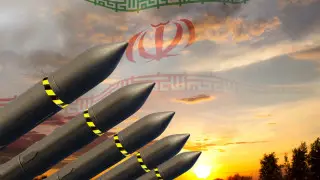
Iran's armed forces have declared their readiness to confront any threats, drawing on past military experience.
May 22, 2026
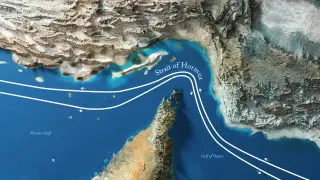
Bahrain, Kuwait, Qatar, Saudi Arabia, and the UAE have stated they will not recognize Iran's new body for regulating shipping in the Strait of Hormuz.
May 22, 2026
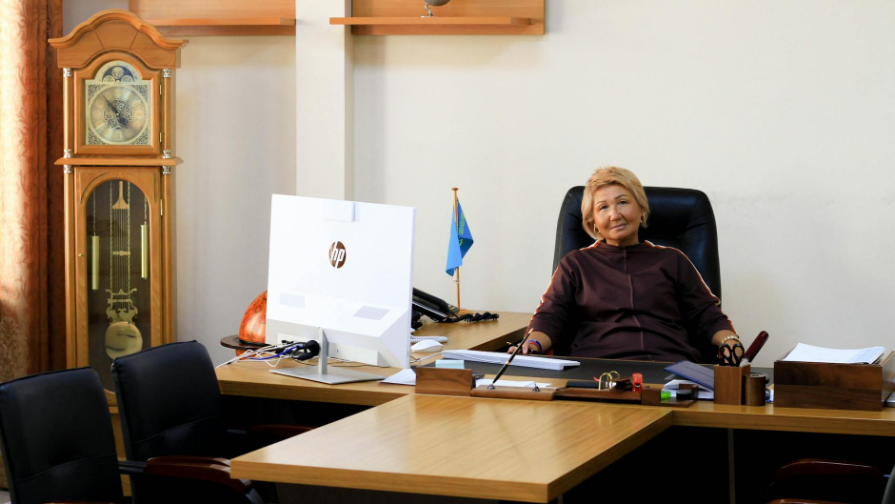
Ruslan Zheldibai, previously a Member of Parliament, has taken on a new significant position within the Parliament's administration.
May 22, 2026
Ukraine intensifies efforts to recover Russian assets following a Kazakhstan court's decision to seize $1.4 billion from Gazprom, prompting President Zelenskyy's renewed commitment to legal action.
May 21, 2026
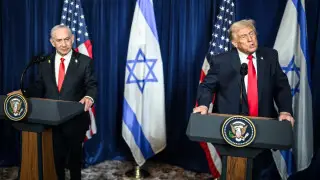
A tense phone call between US President Donald Trump and Israeli Prime Minister Benjamin Netanyahu revealed deep disagreements over a new peace initiative with Iran.
May 20, 2026
Recent visits by US President Trump and Russian President Putin to Beijing highlight China's growing influence on the global stage and its strategic positioning.

