October 13, 2026
Astana neurologist lists 6 cases when a second opinion is needed
Astana neurologist Altyn Kamalovna listed six situations when it is worth seeking a second opinion from another specialist to clarify the diagnosis and treatment.


Astana neurologist Altyn Kamalovna listed six situations when it is worth seeking a second opinion from another specialist to clarify the diagnosis and treatment.

The Shu District Court reconciled the parties in an apartment flooding case: the defendant will pay 1.6 million tenge instead of 2.5 million, with 1 million upfront and 50,000 monthly.

Kazakh neurologist Altyn Kamalovna asked colleagues to guess a patient's diagnosis from symptoms. Five doctors got it right. The correct diagnosis was vestibular migraine.

Kazakhstan's Interior Ministry has put a draft order on a new screening procedure for foreigners applying for an IIN out for public discussion. The debate runs until October 28.
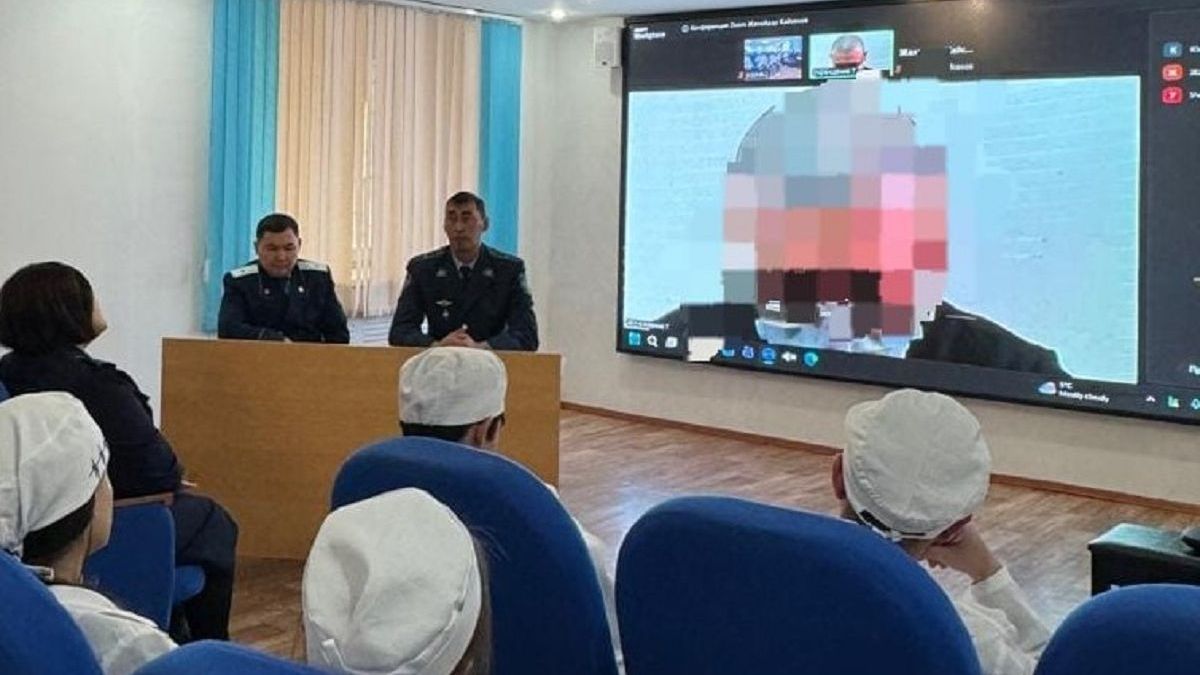
A former IT specialist from Kokshetau, sentenced to 8 years for drugs, told medical college students how getting involved with a dubious crowd destroyed his life.
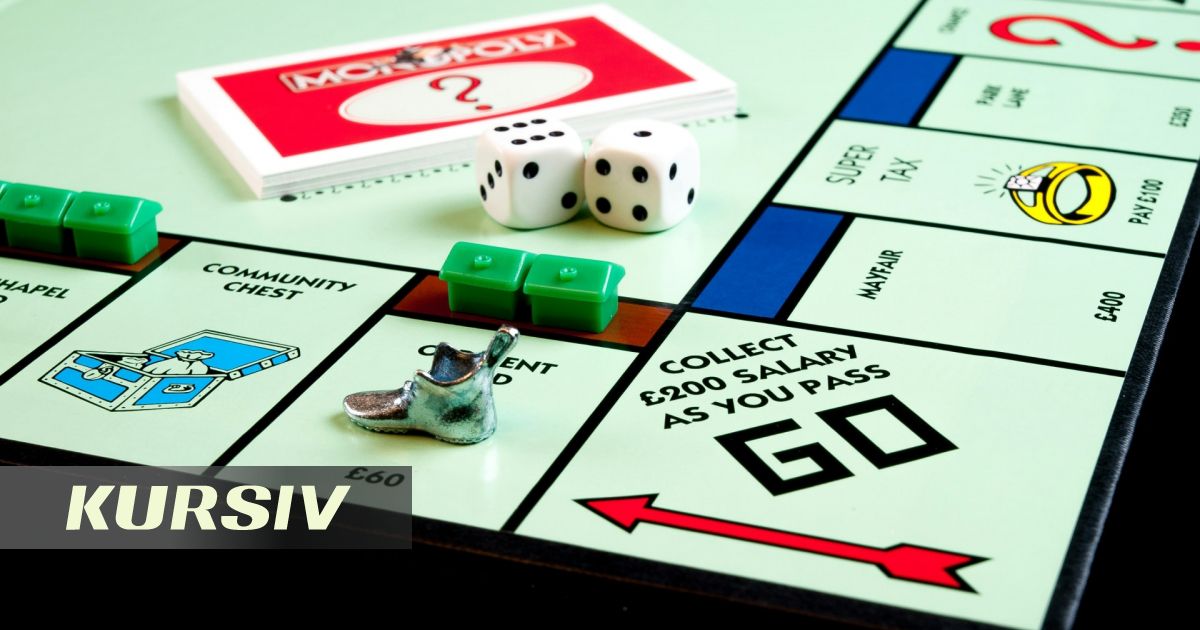
A Taraz resident created a Kazakh analogue of Monopoly about the history of the Great Steppe. The game "Uly Dala Joly" introduces youth to the country's heritage in the Kazakh language.

Astana announces grant competition of up to 5 million tenge for social entrepreneurs: applications from October 15 to 20, 2026, via kezekte.kz.

Kazakh actors Dariga Badykova and Olzhas Abai wed in a lavish ceremony: guests, the groom's touching song, social media reactions, and the couple's love story.

Scientists at Semmelweis University found that endless smartphone scrolling impairs memory, attention, posture, and balance in young people aged 18 to 35.

Uralsk is modernizing its heating, water and power networks: completed projects, ongoing work and plans through 2027 in Kazakhstan's West Kazakhstan Region.

In six months, preventive checkups covered 3.6 million Kazakh children: 302,000 schoolchildren were found to have illnesses, with anemia, vision problems, and caries leading. The Ministry of Health opened 166 dental offices.

Sean Lennon said he shares financial rights to John Lennon's estate equally with his brother Julian, denying rumors of a feud and money disputes.

Electrical Safety Foundation International experts warn that leaving extension cords permanently plugged in risks overheating, insulation damage and fire.

A Semey man beat his wife out of jealousy on her birthday and was sentenced to 300 hours of community service. She filed for divorce and moved to another city.
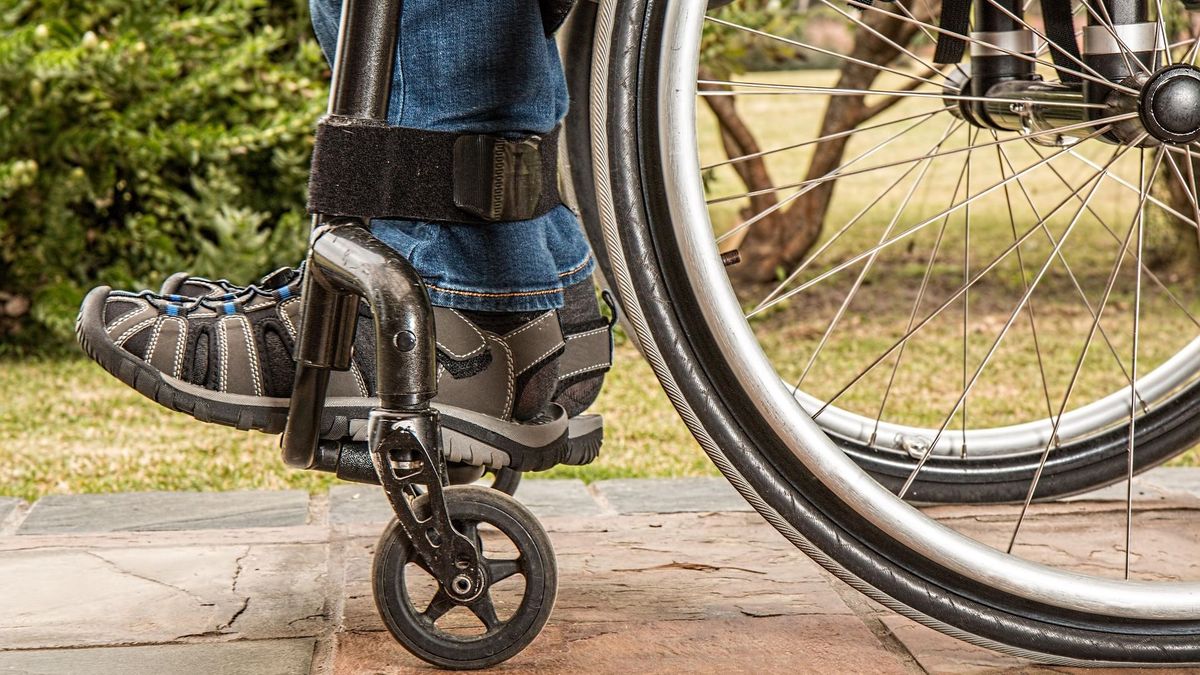
Kazakhstan's Labor Ministry approved only 26% of building accessibility declarations for people with limited mobility. 46% were rejected due to missing ramps and handrails.

Zoologists have discovered why capybaras peacefully coexist with caimans: an analysis of the stomachs of 196 reptiles in the Pantanal showed their diet consists of fish and insects.

Russia's Health Ministry mandates gynecologists to identify women aged 18-49 who don't want children and refer them to psychologists. Experts warn of risks of pressure.

All dogs from the Dog House shelter near Almaty were moved to safety after owner Vladimir Teplyakov was killed. Volunteers provided care and food.

Kazakhstanis on Threads discuss archived 1995 prices: meat cheaper than a dollar, tenge exchange rate, and food costs. Comparison with modern prices.
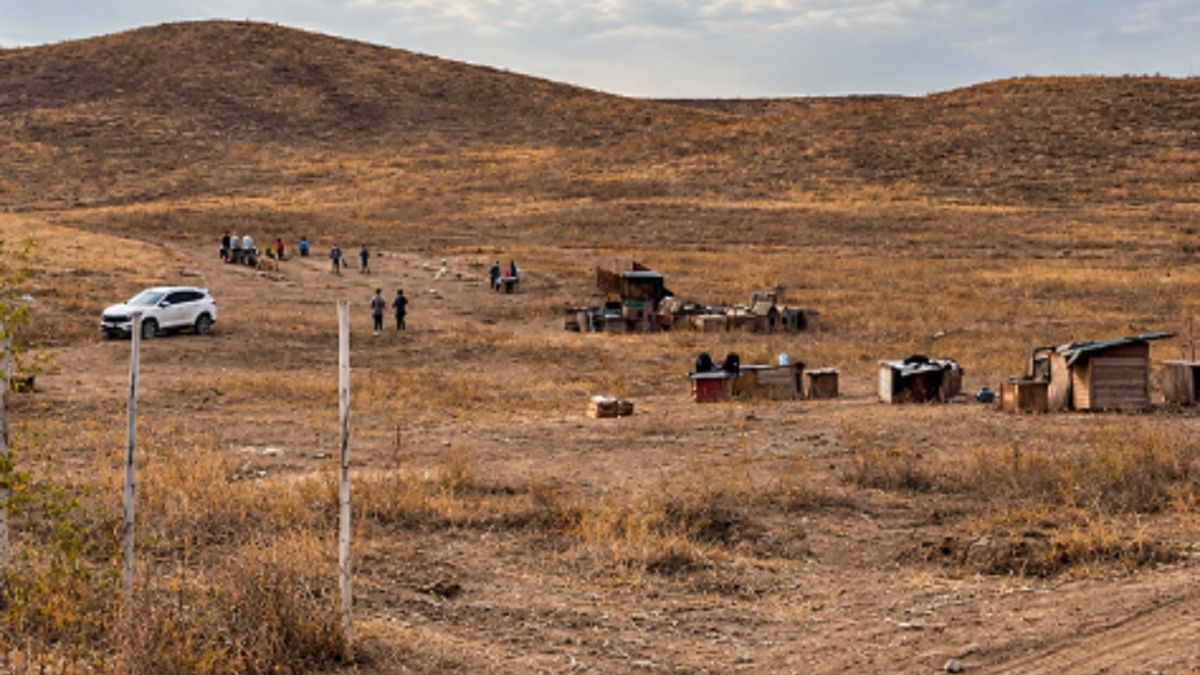
The "Dvoryanskoye Sobraniye" shelter removed all dogs from the steppe near Almaty after the murder of "Tvardovsky Dom" founder Vladimir Teplyakov.

On October 13, adverse weather conditions are expected in Almaty, Astana, Karaganda, Zhezkazgan, Balkhash, Temirtau, Aktobe, and at night in Uralsk. Recommendations from Kazhydromet.

From October 13, Kazakhstan introduces new ambulance rules: online tracking, body cameras, response times and redirection of non-urgent calls to polyclinics.
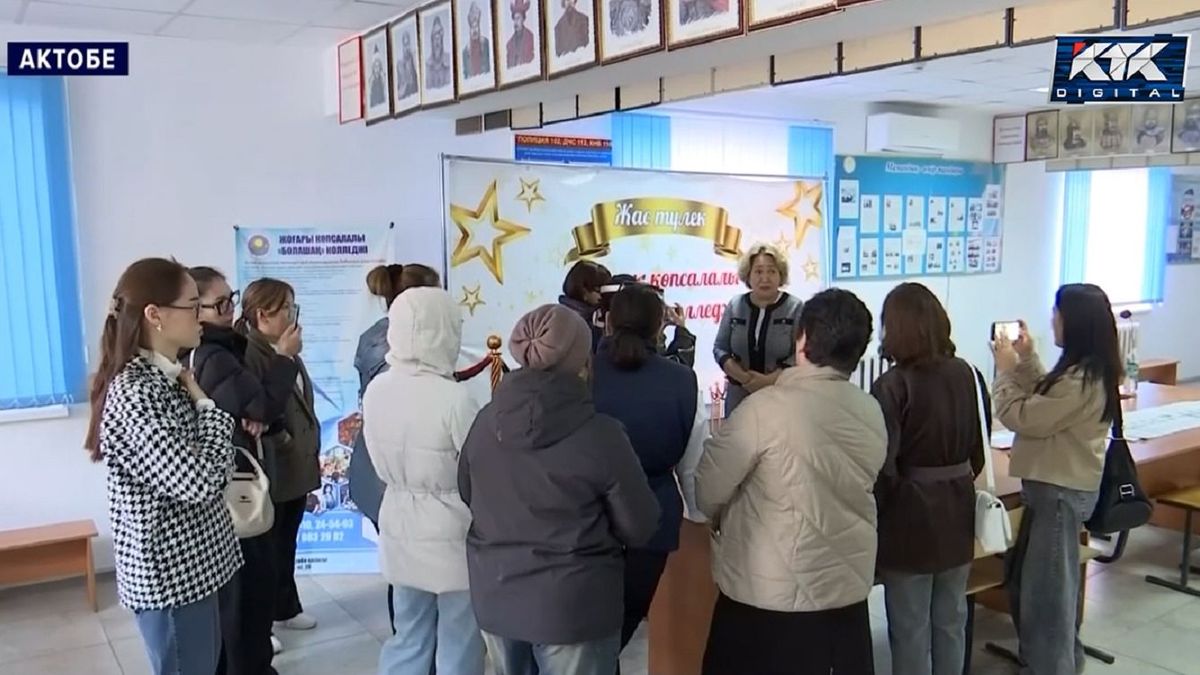
Students at a private college in Aktobe are protesting a sharp tuition hike, with medical program fees rising from 370,000 to 550,000 tenge.

Kazakhstan's Ministry of Labor explains how family well-being is assessed: 59 indicators, 8 areas, and 5 categories from high to socially vulnerable.