

kaztag.kz
International Rights Groups Urge Central Asian Nations to Protect Civic Space
A coalition of prominent international human rights organizations has issued a strong joint statement, urging governments across Central Asia to uphold their commitments to freedom of expression and access to information. The groups expressed deep concern over the shrinking civic space and increasing restrictions on digital freedoms in the region.
Concerns Over Civic Space Restrictions
The International Partnership for Human Rights (IPHR), the Kazakhstan International Bureau for Human Rights and Rule of Law (KIBHR), the Central Asian Association for Human Rights (CAAHR), and the Turkmen Initiative for Human Rights (TIHR) collectively voiced their alarm over intensified efforts to suppress freedom of thought, narrow the space for civil society, and hinder access to information in the digital realm.
"We call on the governments of Central Asian countries to fulfill their obligations under international human rights law, to stop the abuse of laws against online expression, to cease the persecution and intimidation of civil society representatives, and to ensure that the digital space remains open, safe, and accessible," the statement read. "Concrete steps are needed to protect journalists, bloggers, and human rights defenders from persecution for their online activities."
Pressure on Digital Freedoms
Human rights advocates highlighted that technical restrictions are exacerbating the situation. Cyberattacks, website blocking, and internet shutdowns are identified as significant obstacles to the work of civil society and independent media.
"The abuse of content complaint mechanisms on social media is a particularly worrying phenomenon," the statement noted. "Coordinated and unfounded complaints can lead to the temporary suspension or deletion of independent accounts. In Kazakhstan, in recent months, media outlets, organizations, journalists, and bloggers have increasingly reported the blocking or deletion of their accounts or content following such complaints."
Cases Involving Kazakh Journalists
The international organizations' statement also addressed criminal cases against several journalists in Kazakhstan. Among those mentioned are Amir Kasenov, chief editor of KazTAG, Gulnara Bazhkenova, chief editor of Orda.kz, and journalist Botagoz Omarova, who have been placed under house arrest on charges of spreading "fake" information. The statement also referenced the criminal investigation into journalist Lukpan Akhmedyarov.
The rights defenders urged the governments of Central Asian countries to take concrete steps to stop the misuse of digital tools and legislation. They also called on other OSCE participating states to actively support these efforts.
Furthermore, the rights advocates emphasized that social media platforms must ensure their moderation policies and business decisions do not contribute to suppressing legitimate expression or access to information.
IPHR, KIBHR, CAAHR, and TIHR called on Central Asian governments to:
The rights defenders also urged that decisions regarding content moderation and account deletion be based on international human rights standards and that actions based on coordinated complaints or direct government requests aimed at restricting legitimate expression critical of officials or policies be avoided.
They requested enhanced protection against the abuse of complaint and reporting mechanisms.
Бұл туралы Infohub.kz ақпарат агенттігі хабарлайды.
-
Адам құқықтарын қорғау ұйымдары Орталық Азия елдеріндегі азаматтық кеңістікті шектеу мен ақпаратқа қолжетімділікті қиындатуға алаңдаушылық білдірді.
-
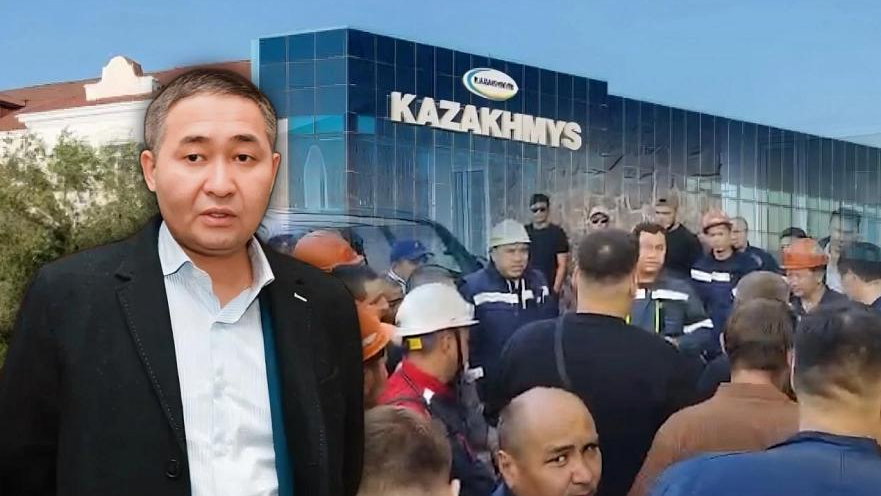
Азамат Капенов, находящийся в международном розыске, впервые сделал публичное заявление, опровергая обвинения и доказывая законность своей деятельности.