

Photo: Juan Pablo Serrano (https://www.pexels.com/@juanpphotoandvideo) / Pexels
Kazakhstan Gasoline Prices May Nearly Double by 2027: Economist Warns
Kazakhstanis should brace for substantial economic shifts in the coming years, with car owners likely to feel the initial impact through rising gasoline prices. Economist Rakhymbek Abdrakhmanov warns that a significant increase in fuel costs could be one of the most significant challenges ahead.
Global Oil Prices and Local Impact
Currently, high global oil prices are providing a temporary buffer. Abdrakhmanov noted in an interview with Digital Business that the geopolitical tensions in the Middle East could push Brent crude oil prices above $95 per barrel. While this offers short-term relief for raw material exporters like Kazakhstan, the effect is expected to be temporary.
The U.S. Energy Information Administration forecasts oil prices to fall below $80 per barrel in the third quarter and stabilize around $70 by the end of 2026. This projected decline in oil prices will likely increase pressure on the tenge, reducing export revenues and consequently impacting budget and National Fund revenues.
Unified Market and Price Hikes
The most significant shock, however, is anticipated to come from fuel prices. Starting January 1, 2027, a unified market for oil and petroleum products will be established across the Eurasian Economic Union (EAEU) countries.
Given that gasoline in Kazakhstan is currently about half the price compared to Russia and Kyrgyzstan, Abdrakhmanov predicts a potential price increase of 70-90% once prices equalize across the EAEU. While this may not happen overnight, the transition could be rapid and significantly affect the financial well-being of Kazakh citizens.
The ripple effect of higher gasoline prices is expected to automatically increase transportation costs, subsequently driving up the prices of goods and services.
Navigating Currency Fluctuations
Regarding currency exchange rates, Abdrakhmanov suggests that the current stability of the tenge is largely an illusion. While the dollar is trading around 493 tenge, market forecasts predict a weakening to approximately 508 tenge within a month and an average of 540 tenge within a year.
He advises patience for those who purchased dollars at rates between 510-550 tenge. The National Bank's high base interest rate, expected to remain around 18% and decrease slightly to 16.75% in a year, helps support the tenge by attracting capital to tenge-denominated assets and government bonds.
A Balanced Financial Strategy
To mitigate potential currency fluctuations, Abdrakhmanov recommends a simple strategy: avoid keeping all funds in a single currency. He suggests diversifying savings between the tenge, benefiting from high deposit rates, and foreign currency as a hedge against devaluation.
An optimal balance, according to the economist, would be approximately 50-50 or a 60% allocation to tenge and 40% to foreign currency. This approach allows individuals to remain less dependent on the direction of currency exchange rates.
Бұл туралы Infohub.kz ақпарат агенттігі хабарлайды.
-
С 1 апреля в Костанае вырастут тарифы на отопление, воду и другие коммунальные услуги. Узнайте о новых ценах и способах экономии.
-
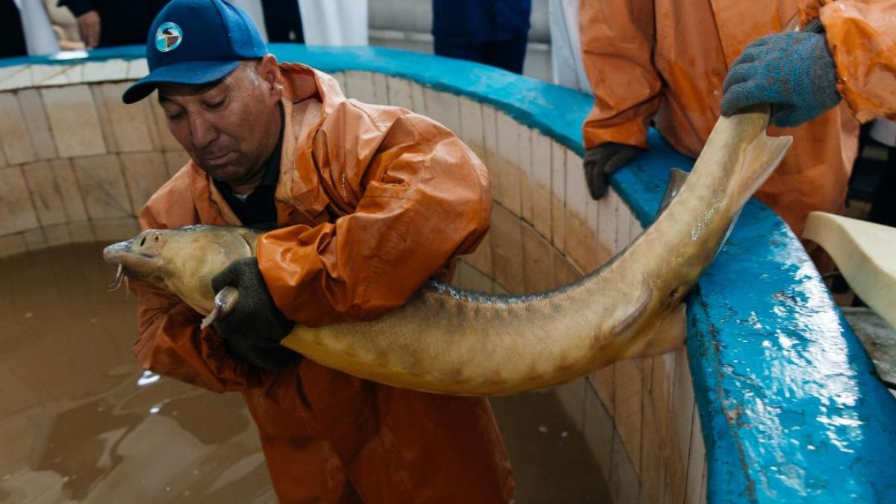
Новый современный рыбоперерабатывающий завод в Махамбетском районе Атырауской области увеличит экспортный потенциал региона и объемы производства товарной рыбы.