

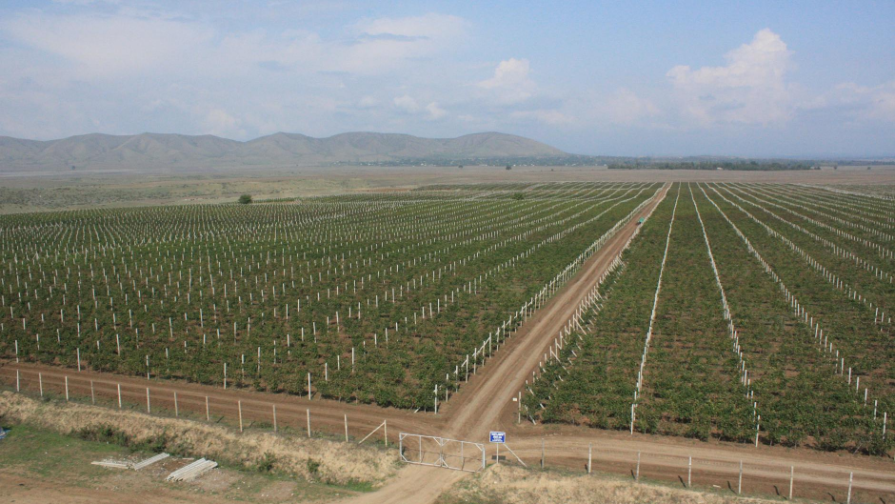
Photo: Feyruz Aslanov (https://www.pexels.com/@farcom) / Pexels
Kazakhstan's Red Book Plants: Fines Up to $28,000 for Picking Dandelions
A viral video circulating online has sparked concern among Kazakhstan residents regarding the potential fines for picking certain plants, particularly dandelions. The video warns that up to 3000 MCI (Monthly Calculation Index), equivalent to approximately 13 million tenge (around $28,000 USD), could be imposed for disturbing protected species.
Protected Dandelions
The information highlights that two specific types of dandelions, Vitaly's dandelion and Kok-sagyz dandelion, are listed in Kazakhstan's Red Book. Kok-sagyz is particularly notable for its natural rubber-producing roots. Both are considered rare and endangered, making their unauthorized picking illegal.
However, distinguishing these protected species from common dandelions, which are abundant and harmless to pick, can be extremely difficult for the average person. The visual similarity makes it challenging to identify the Red Book varieties amidst thousands of similar-looking flowers.
Other Protected Flora
Dandelions are not the only plants under legal protection in Kazakhstan. The 2014 Red Book lists a total of 387 plant species, including 65 medicinal herbs. Among these are various types of tulips (like Albert, Greig, Kaufman, Kolpakovsky, Regel, Shrenk), as well as other notable species such as Adonis, Ferula, Wormwood, and the Kazakh reed.
The article points out that some of these protected plants, especially during their blooming season, might appear widespread in nature, potentially leading to accidental violations.
Penalties for Violations
Under Article 339 of the Criminal Code and the Law "On the Plant World," the uprooting, collection, destruction, damage, as well as illegal acquisition, storage, transportation, or sale of rare plant species are strictly prohibited.
Penalties can range from substantial fines, reaching up to 3000 MCI (which was 12,950,000 tenge in 2026), to more severe consequences such as imprisonment for up to three years, correctional labor, or restriction of liberty.
This information was reported by the Infohub.kz news agency.


-
Қазақстанда кейбір одуванчик түрлері Қызыл кітапқа енгізілгені және оларды жұлу үшін 13 миллион теңгеге дейін айыппұл салынуы мүмкін екені туралы ақпарат тарады. Бұл қаншалықты шындыққа жанасатынын анықтадық.
-
Узнайте о новом модном бизнесе невестки известного казахстанского певца Сакена Майгазиева, которая привозит эксклюзивные наряды из Дубая.