

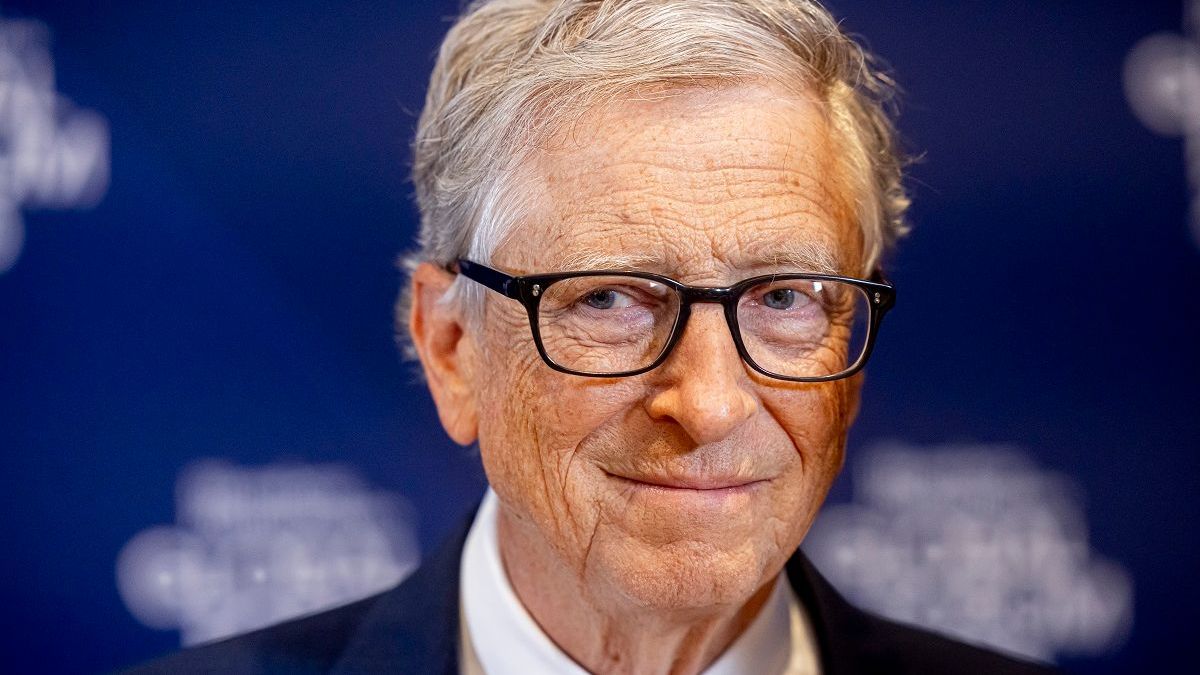
Microsoft founder Bill Gates has revived his idea of taxing automation and artificial intelligence after nine years, according to infohub.kz.
The entrepreneur first proposed a robot tax in 2017, but the economic community responded with skepticism at the time. Now the billionaire has not only returned to the original concept but expanded it to include artificial intelligence tokens. He argues that such a measure is necessary to protect jobs and fund social support programs for people displaced from the labor market by new technologies.
Gates pointed to a distortion in the current tax system. When a company hires an employee, it pays payroll taxes, whereas purchasing robots or implementing artificial intelligence is written off as ordinary business expenses. As a result, tax legislation effectively pushes employers to replace people with machines.
In addition, Gates proposed the concept of "human-protected professions," where the use of machines should be limited or completely prohibited. As an example, he cited the field of elderly care.
However, not all IT industry leaders share Gates's position. Nvidia CEO Jensen Huang has already expressed disagreement with the idea, noting that there are other ways to support the economy without introducing special taxes on productivity.