

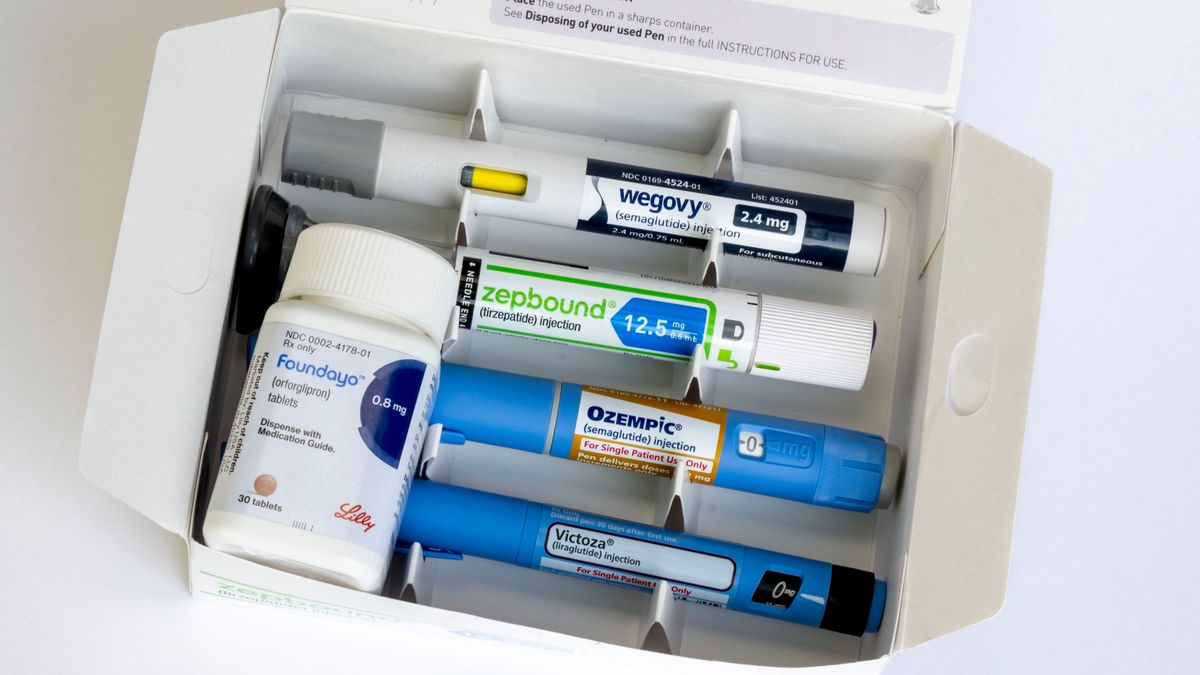
Popular drugs for diabetes and obesity may find new use in neurology. As reported by infohub.kz, researchers have identified their potential in lowering intracranial pressure and reducing the frequency of headaches.
Glucagon-like peptide-1 (GLP-1) receptor agonists, originally developed for type 2 diabetes and obesity, are showing promising results in treating migraine and idiopathic intracranial hypertension (IIH). A scientific review published in an international journal indicated that off-label use of these drugs could be effective for these neurological conditions.
Scientists note that GLP-1 receptors are located, among other places, in the brain's choroid plexus. This allows the drugs to reduce cerebrospinal fluid secretion and lower intracranial pressure. In clinical observations, GLP-1 agonist use was associated with a reduction in headache frequency, decreased optic nerve swelling, and a lower risk of vision deterioration in IIH patients. Moreover, early pressure reduction was observed within a short time, suggesting an effect independent of gradual weight loss.
Despite the anti-inflammatory and neuroprotective properties of GLP-1, the authors emphasize the need for large randomized trials to confirm these findings.
It is important to note that this material is for informational purposes only and is not a guide to action. The drugs "Ozempic" and "Wegovy" are serious prescription medications with a wide range of contraindications and side effects. Using these medications without a specialist's prescription can seriously harm your health. Before starting any treatment or taking any medication, be sure to consult a qualified physician.