

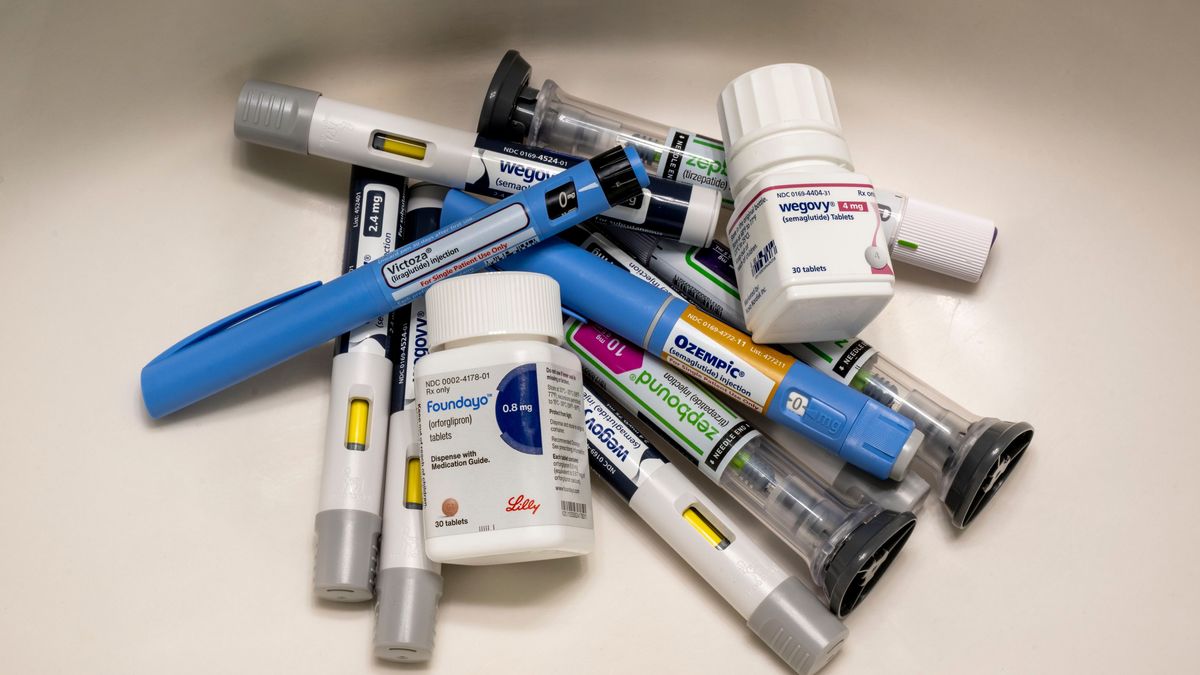
Researchers in Hong Kong have found that GLP-1 receptor agonists, including the popular drug Ozempic, may reduce the risk of lung fibrosis in patients with type 2 diabetes following COVID-19, reports the website infohub.kz.
Patients with type 2 diabetes are particularly vulnerable to severe, prolonged COVID-19 and pulmonary fibrosis—a condition where scar tissue forms in the lungs, impairing breathing. Researchers at the University of Hong Kong, led by virologist Runhong Zhou, investigated this mechanism by analyzing data from 90 hospitalized coronavirus patients and conducting experiments on mice.
The study found that due to heightened inflammation in diabetics, their immune cells—macrophages—began aggressively attacking the lungs after encountering the virus. When the rodents were given GLP-1 receptor agonists (including popular drugs semaglutide and tirzepatide), the severity of fibrosis significantly decreased. The protective effect occurred even without substantial changes in blood sugar levels. According to study co-author Jillian Goddard, this confirms the potent anti-inflammatory properties of GLP-1 drugs.
*Important note: This article is for informational purposes only and does not constitute medical advice. Drugs such as Ozempic and Wegovy are serious prescription medications with a wide range of contraindications and side effects. Using these drugs without a doctor's prescription can severely harm your health. Always consult a qualified healthcare professional before starting any treatment or medication.